
The difference between use-by and best-before dates

 

The difference between use-by and best-before dates


How many times have you opened the fridge after a long week, only to notice that your well-intentioned grocery purchase has passed the date on the packaging, and you immediately throw it in the bin?

This is likely a scenario that plays out in thousands of homes across Australia every single day, but did you know that in doing this, you could be throwing out perfectly edible and nutritious foods?

The difference between use-by and best-before dates can be confusing. We’re here to debunk some common myths and share our top tips on how to safely prepare and store your food, reducing food waste and saving you money!

Best-before dates
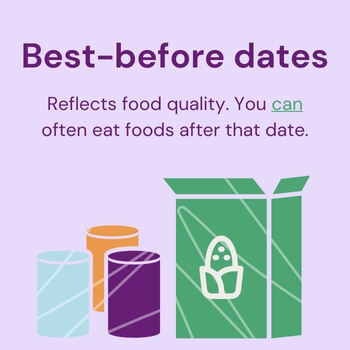
Best-before dates reflects food quality. You can often eat foods after that date


Best-before dates indicate how long a food will last before it begins to lose quality. It does not mean you cannot eat the food after that! Best-before dates are often applied to packaged products, canned foods, produce and pasta. If stored properly, it will often be safe to eat for up to 12 months after the best-before date, though it may have lost some quality and nutritional value. 

So, what’s the verdict? These foods aren’t dangerous to eat after their best-before date! Stop and check before you throw out that bag of pasta in the back of the pantry. 

Did you know:

According to Food Standards Australia New Zealand (FSANZ), ‘Food items are legally permitted to be sold after a Best Before Date and until they are no longer fit for human consumption’.

Use-by dates
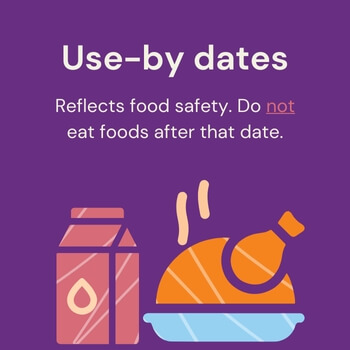
Use-by dates reflects food safety. Do not eat foods after that date


Use-by dates on the other hand are foods that for health and safety reasons, should not be consumed after a certain date. These dates are applied to highly perishable foods like meat, dairy and other meals and cooked foods. You should not eat foods that have passed their use-by date even if they seem ok, as they may contain harmful bacteria, except for some foods that have been frozen before this date.

Foods with an expired use-by date are not legally permitted to be sold as they pose health risks to consumers. 

So, what’s the verdict? Do not risk eating food that has passed its use-by date even if it looks and smells ok!

How reliable are these dates?


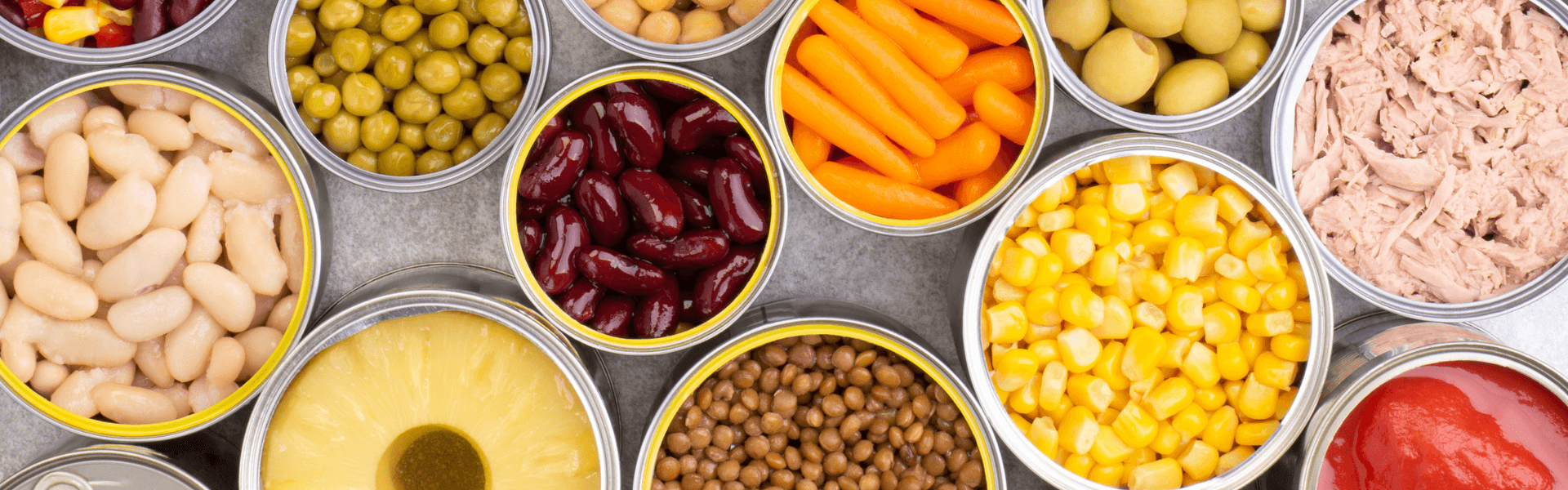
Food manufacturers will often choose best-before dates that are well before when the food will actually deteriorate and spoil. This is to encourage you to eat the foods while they are fresh and at their best, meaning you should consider this date as more of a guide. Often frozen and canned foods will keep their quality long after their best-before date, provided the foods smells and looks as expected, it should be safe to eat.   

This is also dependent on how the foods have been stored, based on the directions on the product. For example, fresh milk must be refrigerated or will likely spoil and cannot be safely consumed regardless of its best-before date.   

Keep an eye out for products with a use-by date. These should never be eaten after this date has passed! 


Food preparation and storage tips


  1. Wash your hands with soap under warm running water for at least 20 seconds. You should do this before handling food and if you pause to cough, eat, touch your hair, or do anything that could make your hands dirty again, wash your hands thoroughly before resuming food preparation.
  2. Thoroughly rinse all fruit and vegetables before consuming to remove chemicals, bacteria and any residual soil or insects.
  3. To help with correct food storage, ensure your fridge temperature is at least 5 °C or below. The freezer temperature should be below -15 °C. When food shopping, try and collect chilled or frozen food at the end of your trip and take them home to store in the fridge or freezer as quickly as possible. You could also use an insulated cooler bag or ice pack on hot days or longer trips.
  4. Leftover food that has been cooked should not be left out to cool for more than one hour. As soon as it has cooled, store it in a suitable food-grade container in the fridge, ensuring that raw foods are placed on the lower shelves below the cooked leftovers to avoid contamination.
  5. Use separate cutting boards and utensils when preparing raw foods, ensuring they are thoroughly washed and sanitised after each use.  


Thank you for doing your part in reducing food waste. Click here to learn more about food safety.


If you or someone you know needs food support, please visit our Find Food portal so we can connect you to a Foodbank community partner in your area.


We’re here to help

More like this

Featuring our Community Partner: Survivors R Us

At Foodbank NSW & ACT, we work with over 700 organisations located across the state and territory that we call our ‘Community Partners’. They vary from small, grassroots community groups to larger charitable organisations. Our Community Partners order and receive food directly from our warehouse in Western Sydney to distribute to local families in need.

This month, we’re featuring Survivors R Us (SRU), a Foodbank community partner based in Lake Macquarie, NSW.

Survivors R Us (SRU), founded in March of 2017, is a not-for-profit charity and benevolent institution that supports survivors of domestic violence, homelessness and unemployment.

Maria Martin, the founder of SRU, embarked on a mission born from her own experiences. Fifteen years ago, she found herself battling domestic violence while doing her best to provide for her daughter. The journey was filled with challenges, from securing affordable and nutritious meals, to finding shelter. Despite the hardships, Maria stayed resilient and determined.

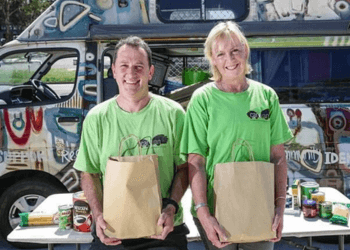
Featuring the team at SRU

Driven by her mantra “give me a challenge and I’ll keep going”, Maria channelled her hardships into helping others in her community. She recognised the growing, critical need not just for food relief and shelter, but also for clothing and counselling. This realisation led to Maria establishing Survivors R Us, a safe and supportive haven for community members navigating domestic violence, homelessness and unemployment.


For the last seven years, Survivors R Us has collaborated with Foodbank NSW & ACT to provide essential items for the NSW central coast community.

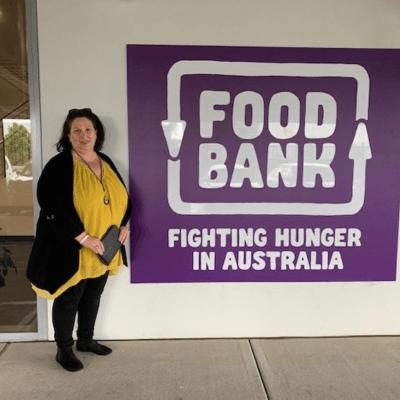
Maria Martin at Foodbank NSW & ACT

The heart of Survivors R Us beats with over one hundred volunteers, dedicating countless hours to help alleviate the suffering of others. Maria and her team’s compassion extends to all those in need, regardless of their background supporting women, men and children alike.


The true reward lies in the smiles I witness and the hope we ignite every day. Survivors R Us isn’t just about survival; it’s about reclaiming lives and empowering individuals to find their light at the end of the tunnel.”


– Maria Martin


At Foodbank NSW & ACT, we rely on incredible organisations like Survivors R Us to get food relief to families in need. If you’re in the Lake Macquarie area needing food support, SRU are available Monday to Friday on (02) 4953 7108 or you can visit their website: survivorsrusincorporated.com/weeklyevents.

To connect to other Foodbank community partners in your area, please visit our Find Food portal.

We’re here to help

More like this

4 quick and easy yogurt recipes


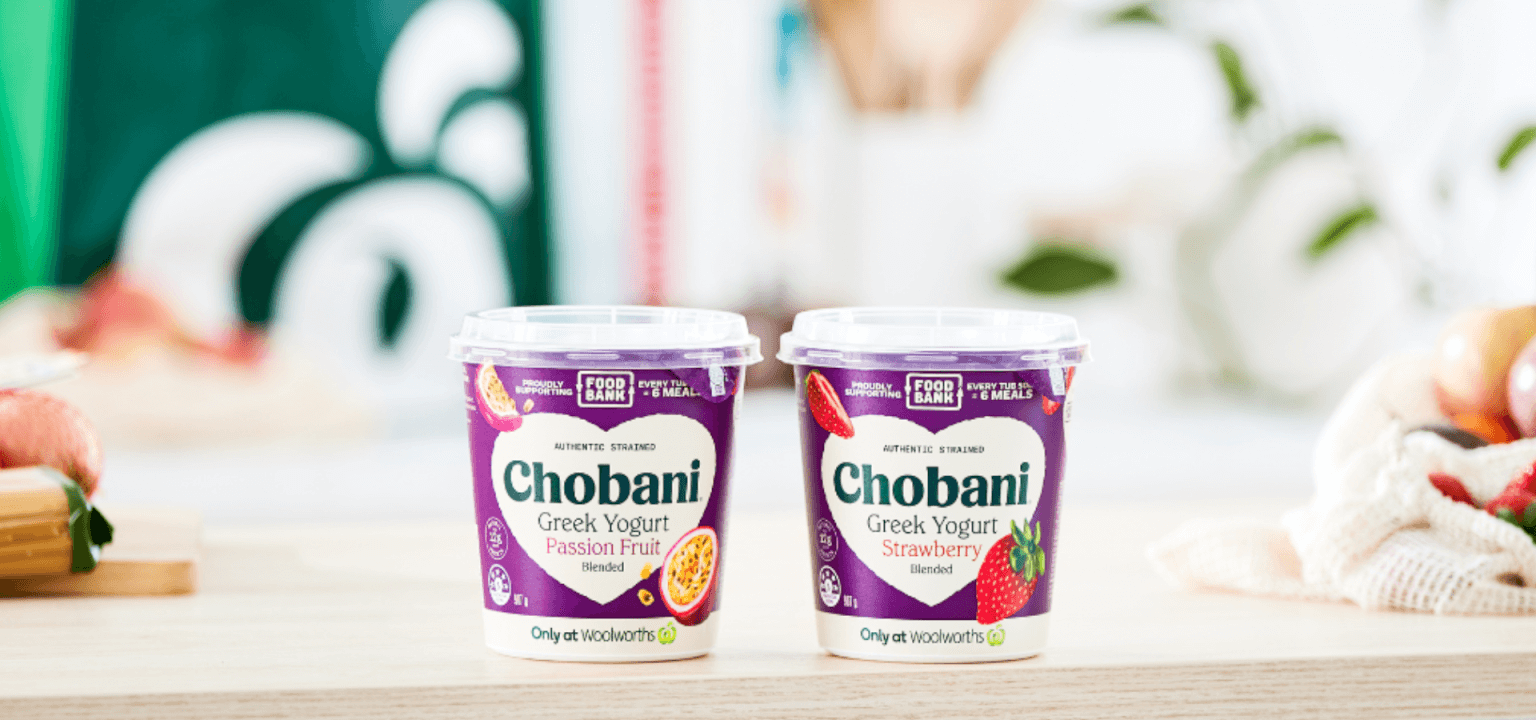
Our friends at Chobani and Woolworths have teamed up to introduce two new tubs of blended Strawberry and Passionfruit Greek yogurt!


Chobani yogurts


Every tub sold helps Foodbank provide 6 meals to Aussies in need. These flavours are available exclusively at Woolworth stores nationwide until September 2024.


To celebrate this vital collaboration, we‘re sharing 4 quick and easy yogurt recipes: 

default card image


Passionfruit Frozen Yogurt Bark


Freeze a mixture of passionfruit yogurt and fresh fruit for a cool and tangy snack. Perfect for a quick treat! 


Serves: 12 pieces


Ingredients: 

2 cups Chobani Passionfruit Greek yogurt 

1/2 cup fresh strawberries, sliced 

1/3 cup fresh passionfruit pulp 

2-3 chocolate chip cookies, crumbled 


Method: 

Line a baking tray with baking paper, then pour over the Chobani Passionfruit Greek yogurt and spread evenly. Sprinkle the remaining ingredients evenly over the yogurt.  

Place the tray in the freezer until the yogurt is firm, about 3 hours. Cut into 12-15 pieces and enjoy cold. Store leftovers in the freezer. 


default card image


Strawberry Greek Yogurt Smoothie


Blend juicy strawberries, creamy Greek yogurt, and a touch of honey for a refreshing and nutritious smoothie.


Serves: 1 


Ingredients: 

1 cup Chobani Strawberry Greek yogurt 

1 cup fresh or frozen strawberries, sliced 

1/2 tsp fresh lemon juice (optional) 

1 tsp maple syrup or honey (optional) 


Method: 

Add ingredients to a blender and blend until smooth for about 30-60 seconds. 

Serve immediately or store in an airtight container for 3-5 days in the fridge, shaking well before serving. 


default card image


Strawberry Biscoff Overnight Weet-Bix


A delightful combination of fresh strawberries and the irresistible crunch of a Biscoff biscuit. Prepare it the night before for a hassle-free breakfast.


Serves: 1 


Ingredients:

2 Weet-Bix, crushed

1 tbsp chia seeds

1 tsp ground cinnamon

1/2 cup milk

2 tsp Biscoff spread

2/3 Cup Strawberry Chobani yogurt

1 Biscoff biscuit, crushed

3 Strawberries, sliced 


Method: 

Mix Weet-Bix, chia seeds, cinnamon, milk and Biscoff spread thoroughly and layer in a container. Then place Chobani yogurt, Biscoff biscuit and strawberries on top. Refrigerate for a minimum of 30 minutes or overnight. Enjoy! 


default card image


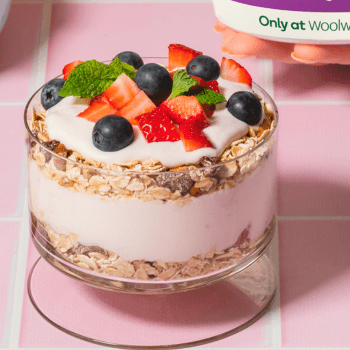
Strawberry Greek Yogurt and Muesli Parfait


Layer your favourite muesli with creamy Greek yogurt and sweet strawberries for a wholesome and satisfying treat.


Serves: 1 


Ingredients:

2/3 cup Chobani Strawberry Greek yogurt 

1/4 cup fresh mixed berries, sliced 

½ cup muesli of choice 


Method: 

Alternately layer yogurt and muesli in a bowl or glass and top with fresh berries. Enjoy! 


Thank you to Chobani, Woolworths and our incredible community for supporting us on our mission to fight hunger.


With over 1.2 million households in NSW & the ACT alone experiencing food insecurity last year, campaigns like these play a crucial role in ensuring sustainable supplies of food and groceries for families facing tough times  


Our partnership with Foodbank is more than just a collaboration; it’s a friendship built on a shared mission to use food as a force for good.


We are always looking for new and innovative ways to support Foodbank and make a tangible impact. Through our close collaboration, Foodbank has highlighted the pressing need for fresh produce, and we’ve tailored this initiative to address this directly.”


– Tim Browne, GM ESG & General Counsel Chobani


Are you looking for more quick and easy yogurt recipes? Download our recipe cards for Greek Yogurt Waffles, Yogurt Jelly Slice and Passionfruit Yogurt Overnight Oats.


If you or someone you know needs support, please visit our Find Food portal to connect with a Foodbank community partner in your area.


We’re here to help

More like this


Raising awareness one grain of rice at a time

Rice, bench presses and social media. Who knew putting these three together could lead to over 690 kilograms donated to fight hunger?


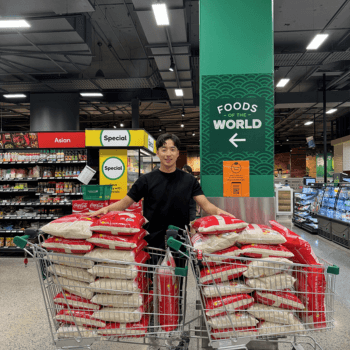
Over the last few months, local Sydneysider, Gunwoo Kim, aka “The Rice Guy”, has captivated the online world with a unique and charitable twist to a trending challenge that has gone viral.

The idea was simple: bench press 1 gram of rice for every follower Gunwoo accumulated. 


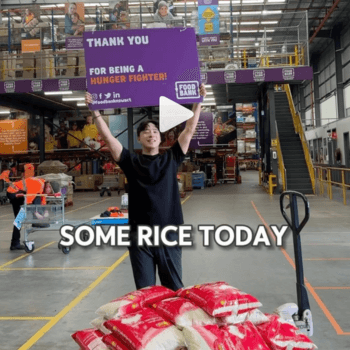
Now with over 100,000 followers later and a staggering 9.5 million views on the top-performing video, Gunwoo is teaming up with local brands, influencers and his community to continue his unique challenge, donating the bench-pressed rice to Foodbank NSW & ACT to support families doing it tough.


Gunwoo Kim says,


I never anticipated the overwhelming response to the rice bench press challenge. Now that it has taken off, I want to use this platform to make a positive impact on the world. I’ve had the pleasure partnering with brands such as The Kimchi Company, Cuckoo Australia and many others keen to jump onboard to help with donating the rice lifted. 


Also collaborating with influencers and these brands along side my platform allows us to turn the spotlight onto important social issues, such as hunger. The followers are essentially all part of this journey too as each follower accounts for an extra 1 gram of rice donation. In my perspective, the take-home message is that we all need to do our part.”


Gunwoo and two trolleys full of rice


Gunwoo donating rice to Foodbank NSW & ACT


Andy Moore, Foodbank NSW & ACT’s Marketing & Fundraising General Manager says,


It’s not every day we get to be part of something so uniquely impactful, and we’re grateful to Gunwoo for joining us in the fight against hunger and making a tangible difference to the lives of Australians going hungry every day.


Sadly, 1.2 million households experienced food insecurity in the last 12 months which is 37% of all NSW & ACT households and 105,000 more than in 2022 – something we’re absolutely committed to changing. It is through initiatives like this, and the generosity of our communities that we’re able to do something about that. With the support of people like Gunwoo, we’re able to distribute over 65,000 meals every day to Aussies doing it tough.”


World’s First Global Rice Bench


Gunwoo’s recent video saw his rice nation community joining in on the challenge from across the world in the World’s First Global Rice Bench.  


From across Australia, Mexico, South Korea, Netherlands, the USA and more, his community came together in full force to show their support, raising awareness of the need for food relief, with every gram of rice lifted being matched and then donated to Foodbank NSW & ACT.


You can follow Gunwoo’s journey on Instagram @gunwoobench or at ricenation.co. 

Connect with us on Instagram and Facebook for more exciting updates as this unique challenge continues to feed more hungry families doing it tough. 


If you or someone you know needs support, please visit our Find Food portal to connect with a Foodbank community partner in your area. 


We’re here to help

More like this

Featuring our Community Partner, Carevan Blacktown

At Foodbank NSW & ACT, we work with over 700 organisations located across the state and territory that we call our ‘Community Partners’. They vary from small, grassroots community groups to larger charitable organisations. Our Community Partners order and receive food directly from our warehouse in Western Sydney to distribute to local families in need.

This month, we’re featuring Carevan Blacktown, a Foodbank community partner based in Western Sydney, NSW.

Carevan Blacktown, founded by teachers at Norwest Christian and Tyndale Public School, emerged in response to the community’s need to address food waste and support people facing financial hardship.

Collaborating with teachers and tech groups, the charity began by repurposing excess food that would otherwise go to waste. Under the leadership of Andrew Scott, now the Chief Executive Officer, Carevan Blacktown has expanded its operations to include a dedicated kitchen team of volunteers and receives generous donations of food from individuals and organisations alike.

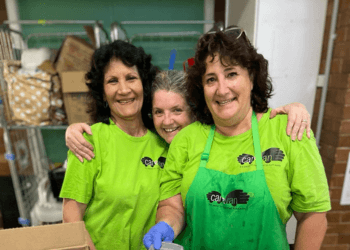
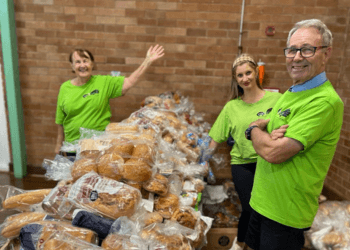
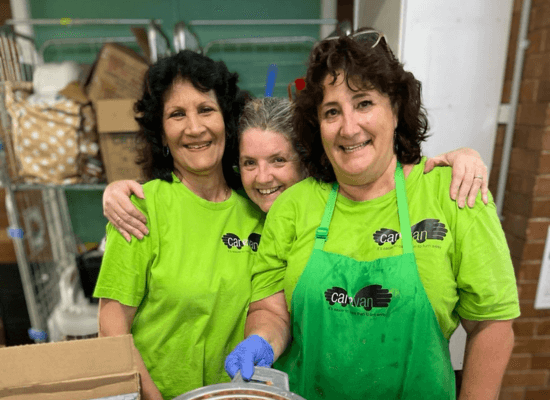
featuring the Carevan Blacktown team

Carevan Blacktown team

This growth transformed the charity from a small initiative into a vital community resource. Caroline Del Aguila, a registered nurse at Red Cross LifeBlood, met Andrew and learned of Carevan Blacktown in 2013. Inspired by the cause and Andrew’s dedication, Caroline joined the team, fuelling their mission to combat food waste and provide essential meals to those in need.

Carevan Blacktown has a firsthand view of the sharp rise in demand for food relief felt across Australia. They began by serving a handful of people and now serve 130-150 community members per night, with Andrew even personally delivering meals to those unable to travel.


People come to us to save money on meals and we’re finding the demographic changing as the cost living continues to rise.


And then there is the shame aspect of reaching out for help – our communities feel like they ‘should be able to help themselves’ but the reality is, average families aren’t able to make ends meet like they used to.”


– Caroline Del Aguila


Despite the charity facing financial constraints and volunteer shortages, Caroline and Andrew remain committed to expanding Carevan Blacktown’s reach.

Through partnerships with organisations like Foodbank NSW & ACT, Carevan Blacktown continues to provide nutritious meals and essential services to families in need.


We provide a range of services these days, but food supplies are at the core of our service and Foodbank are critical and incredibly valuable to what we do. The fresh produce they provide makes such a difference too”.


– Caroline Del Aguila

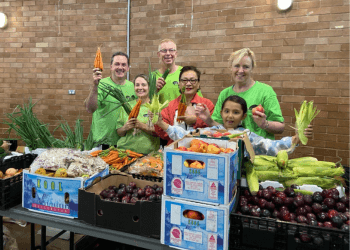
Carevan Blacktown team

Carevan Blacktown continues to evolve to meet community’s needs, moving their operations to a warehouse to better facilitate food relief and collaborating with Westmead Hospital for health screening.


It can be hard work but is very rewarding. We are an amazing team, blessed with a terrific lead in Andrew and an awesome dedicated ‘family’ of volunteers who care about the community we serve.”


– Caroline Del Aguila


Carevan Blacktown team

At Foodbank NSW & ACT, we rely on incredible organisations like Carevan Blacktown to get food relief to families in need. If you’re in the Western Sydney area needing food support, you can visit Carevan Blacktown at 1 Freeman Street, Lalor Park NSW 2147 on Tuesday nights from 7.15 pm – 8.30 pm. To learn more, visit their website carevanblacktown.org.au or contact info@carevanblacktown.org.au.


To connect to other Foodbank community partners in your area, please visit our Find Food portal.

We’re here to help

More like this

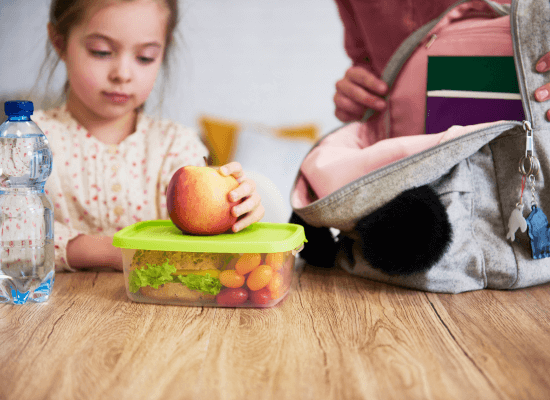
Your guide to packing school lunchboxes

Choosing what to pack in a healthy lunchbox can be confusing.

To make it easier, we’ve put together a simple guide that explains the five important food groups to include in your child’s lunch!

The five essential food groups

A balanced diet is crucial for children’s growth and development. It provides the nutrients they need for days full of playing and learning. A well-packed lunchbox helps improve their overall health, as well as their learning outcomes and social development. 

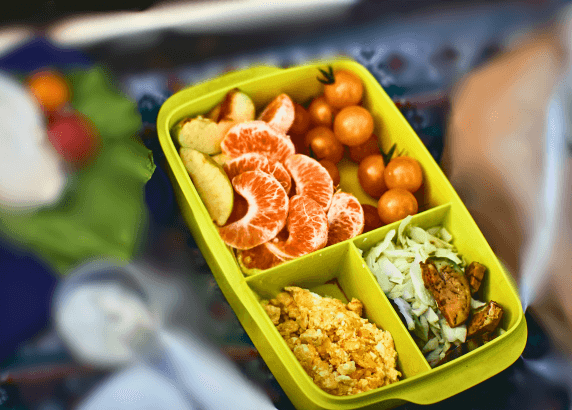
When packing a lunchbox, try to include items from the five main food groups: 

Join the messiest, most fun fundraiser.

1. Fruit & Vegetables

These are rich invitamins, minerals, and fibre, which are needed for healthy development. Try choosing fresh produce that is in season – not only will it taste better, but it will also be more affordable.

Join the messiest, most fun fundraiser.

2. Grains

Breads and cereals will provide the energy children need to take on the day! Choose whole grain varieties where possible, as they are more nutritious and will keep kids feeling full for longer.

Join the messiest, most fun fundraiser.

3. Proteins

Foods like lean meats, poultry, fish, eggs, nuts, and seeds are excellent sources of protein. They are essential for growth and repair of body tissues. Some healthy lunchbox options include tinned tuna or salmon, lean chicken or turkey, boiled eggs, lentils or beans.

Join the messiest, most fun fundraiser.

4. Dairy

Foods such as milk, cheese, and yoghurt provide the calcium needed to grow strong bones and teeth.

Join the messiest, most fun fundraiser.

5. Water

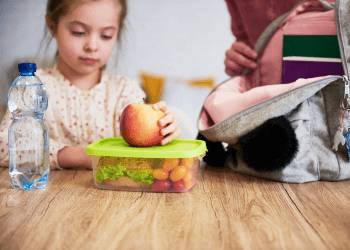
Always include a bottle of water. It’s the best thirst quencher and keeps children hydrated throughout their busy day.

Join the messiest, most fun fundraiser.

Helpful Tip

Remember, variety is key! Try to include different foods from each group to ensure your child gets a range of nutrients.

Helpful tip: Try freezing a water bottle and storing it with the lunch to keep it cool and safe until the lunch bell rings.

At Foodbank NSW & ACT, committed to ensuring everyone has access to nutritious foods. For personal health advice on what is right for your family, please speak to your local GP.

Download our guide here

The truth about canned foods


International Women's Day at Foodbank NSW & ACT


As the cost-of-living crisis continues, more and more people are forced to compromise on what and when they eat.

Across all communities but particularly in regional and remote towns where produce is more expensive than in metropolitan areas, many families now purchase canned foods over their fresh produce alternatives.


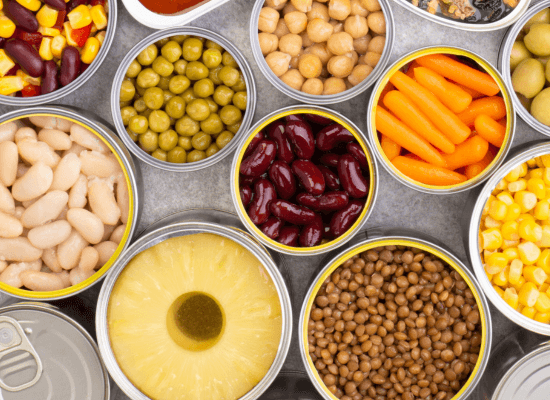
Canned foods often have a bad reputation, but did you know they can be just as nutritious as their fresh and frozen options, and at a more affordable price? Here’s the truth about canned foods.

Preserving nutrients

Contrary to popular belief, canned foods can be just as nutritious as their fresh counterparts. How? It all starts with timing.


Picture this: a sun-kissed tomato, plucked at the peak of ripeness, bursting with flavour and nutrients. Now imagine that same tomato being carefully sealed into a can within hours of harvest. That’s exactly what happens with many canned fruits and vegetables.


Why it matters: 


The canning process locks in essential vitamins and minerals, preserving them until you’re ready to enjoy your meal.  


While some heat-sensitive vitamins (like vitamin C) may experience minor losses, overall nutrient retention remains. In fact, canned tomatoes become richer in lycopene — an antioxidant linked to heart health — during the canning process. 

tomatoes


The sodium conundrum

beans


“But aren’t all canned foods loaded with sodium aka salt?” you ask. Not necessarily! While some canned products do contain added salt, that’s not the case for all of them.  


Most canned vegetables, soups, and meats offer low-sodium or sodium-free versions. These alternatives cater to families who want the convenience of canned goods without compromising on their health.


Helpful tip: 


When using canned beans or other legumes, give them a good rinse under cold water. This simple step reduces sodium content significantly.

The environment

Canned foods are more than just affordable and convenient.


Their extended shelf life means that canned goods don’t spoil as quickly as fresh produce. They can sit patiently on your pantry shelf, waiting for their moment to shine. This extended shelf life means fewer fruits and veggies tossed into the compost bin. 


Canned foods also support more efficient transportation. How? Picture a truck hauling fresh produce across long distances. Now imagine that same truck loaded with canned goods. The latter requires less delicate handling, fewer refrigeration units, and less fuel.


Did you know: 


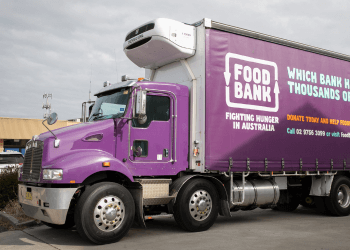
At Foodbank NSW & ACT, we travel over 4.5 million kilometres every year picking up and distributing food and groceries to families across the state and territory. That’s more than 5 trips to the moon and back!

Foodbank truck


So, what’s the verdict?

Canned foods can form part of an affordable, healthy diet, offering families convenience, shelf stability and nutritional value. If you’re looking to try adding some more canned foods to your shopping list, a great place to start is with canned veggies, beans, fish and fruits.


For personal health advice on what is right for your family, please speak to your local GP.


If you or someone you know needs support, please visit our Find Food portal so we can connect you to a Foodbank community partner in your area.
We’re here to help

More like this

Meet the women fighting hunger with Foodbank


International Women's Day at Foodbank NSW & ACT

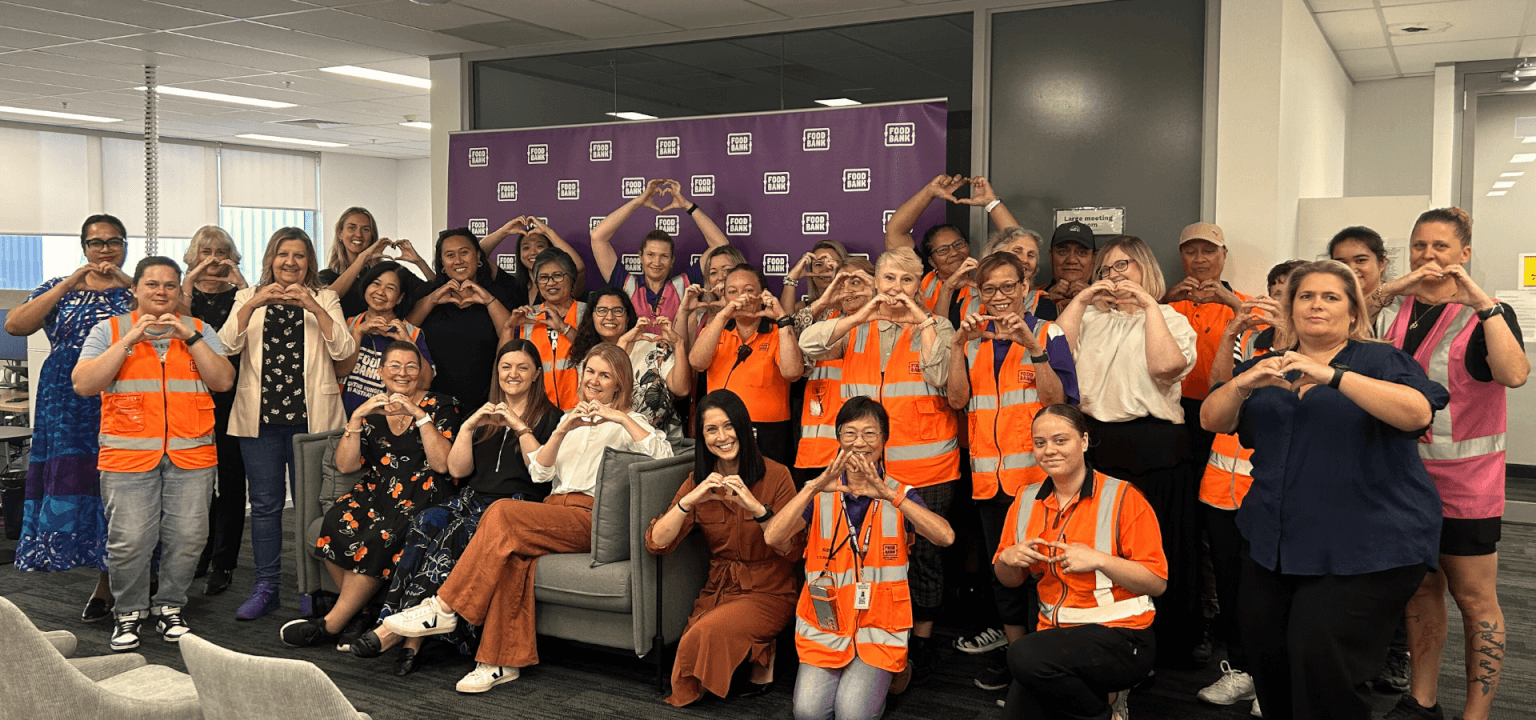
The theme for this year’s International Women’s Day is Inspire Inclusion. At Foodbank NSW & ACT, we are committed to women’s inclusion and creating a sense of belonging and empowerment for everyone. Together, we strive to shape a supportive and inclusive  world for women.

This International Women’s Day, we’re highlighting just some of the women fighting hunger with Foodbank.

Meet Samantha Prescott, Chief Operating Officer at Foodbank NSW & ACT.

Sam


Samantha has been working at Foodbank NSW & ACT for seven years and throughout that time, she has been a driving force for positive change in communities across the state and territory.

At Foodbank, we Inspire Inclusion by ensuring women feel valued and empowered. That means making sure that women not only have a seat at the table, but also that their voices are being heard.


Meaningful inclusion is the key to long-term growth.”

Meet Caroline, Secretary and Treasurer at Carevan Blacktown, Foodbank Community Partner.

Sam


Carevan Blacktown is a local charity providing food, homeware and clothing to community members in need. They host a weekly meal service, collecting fresh fruit, vegetables and pantry staples from our Foodbank warehouse to distribute to their community.

Caroline shared the challenges she sees women face in her community. They range from language and cultural barriers to transport challenges, as well as the stigma of asking for food support. 

Women are excellent communicators and networkers which serves our charity very well. We are run on the goodwill, dedication, and hard work of our volunteer team, which is in the majority, made up of women. 

Meet Rebecca White, Supply Chain Manager at Foodbank NSW & ACT.

Sam


Rebecca’s role includes overseeing operations and supply chain at Foodbank NSW & ACT, managing our 6,000 sqm warehouse, coordinating logistics and ensuring food safety.

Despite the disparities in pay and recognition for women in the supply chain industry and being told by numerous recruiters over her career that “female Supply Chain/Operations Managers are rare”, Rebecca has risen above such barriers.


I love that Foodbank NSW & ACT has an equal number of female to male workers on site.


Rebecca’s experience in manufacturing has made her an invaluable team member. Throughout all the challenges she has faced, Rebecca has persevered, breaking down stereotypes and paving the way for future generations of women in supply chain management.

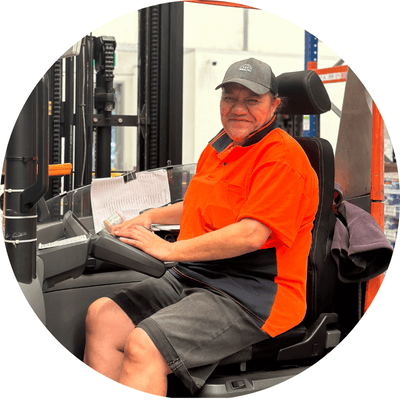
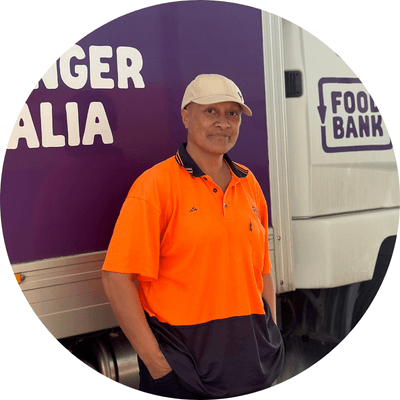
Meet La E’e, HR Driver and Stephanie Lemaire, Forklift Driver at Foodbank NSW & ACT.

Sam


Stephanie has typically worked in male-dominated industries, often being the only female driver. But that has never stopped her!

Working at Foodbank NSW & ACT, Stephanie says she has never been treated differently or had any assumptions made based on her gender and ability to perform her role.


I wish more women would give it a go and break the stereotype!


Sam


La began her Foodbank NSW & ACT journey driving our smaller vans to transport food and groceries but today is now one of our key HR Drivers, driving our Mitsubishi 10 pallet Pantech.


Today there are women driving double trailers, which is amazing!”

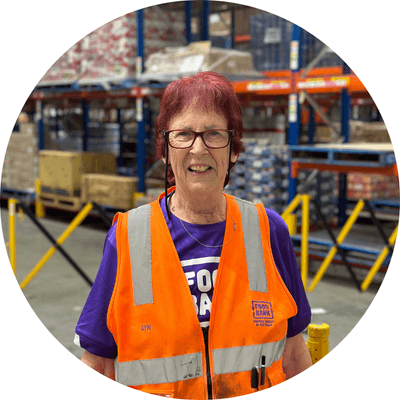
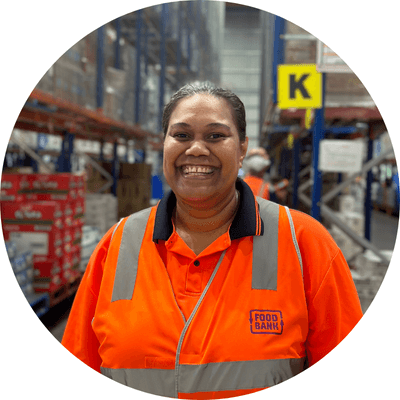
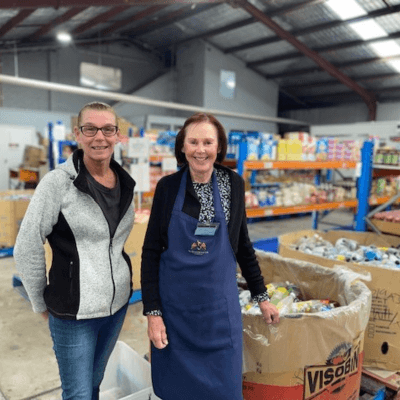
Meet Lyn Doull and Christine Uluirewa, Foodbank NSW & ACT Volunteers.

Sam


Lyn has been a dedicated volunteer at Foodbank NSW & ACT for the last four years. What keeps her coming back is the welcoming atmosphere and the chance to make a difference beyond herself.Her days are busy, stocking shelves for the Community Partners they support. But what she loves most is meeting people and hearing their stories.  


I look forward to my volunteer days and love seeing people of all ages and genders helping. For me, volunteering isn’t just a task; it’s a source of joy and fulfillment.”


Sam


Christine joined Foodbank NSW & ACT a few months ago and is already a key member of our volunteer team. Volunteering at Foodbank is not just a way to give back but also a source of pride for her. A memorable experience for Christine was volunteering at the Foodbank-supported Koori Knockout event. She embraced the opportunity, enjoying every moment of meeting new people and supporting the community.

Reflecting on her journey, Christine is struck by Foodbank’s impact in reducing food waste, something she witnessed firsthand in Fiji.  


I love that we make a difference in society – knowing we’re helping people in need who don’t have the resources.

Click here to learn more about International Women’s Day.


If you or someone you know needs support, please visit our Find Food portal so we can connect you to a Foodbank community partner in your area.


We’re here to help

More like this

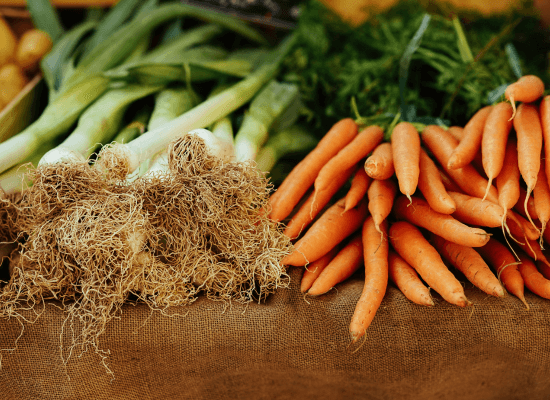
5 top tips to keep your produce fresh for longer


Top tips to keep your fruit and veg fresh for longer

Did you know Australia sends 7.6 million tonnes of household and commercial food waste to landfills every year?


Food waste creates more emissions than the entire aviation industry! The good news is we can all make a big difference – not to mention save ourselves money and time.

Follow our 5 top tips to keep your fruit and vegetables fresh for longer.

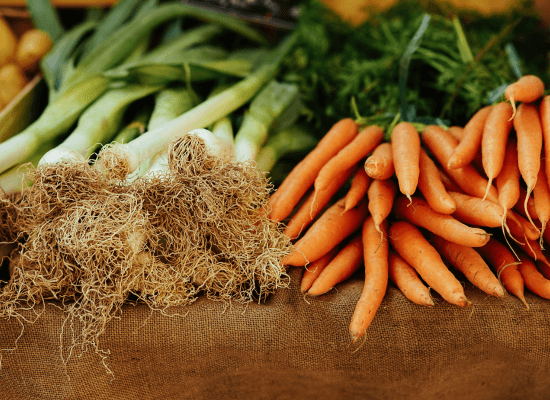
1. Store your bananas and onions separately


There are certain fruits and vegetables like bananas, apples, onions, garlic and potatoes that emit a gas called ethylene that speeds the ripening process of other produce. Try storing these foods separately to extend their life and the life of your other fruit and vegetables.


2. Move ripe fruit to the fridge


Some fruits like peaches, mangoes and avocados are best left out on the kitchen bench so they can ripen. This can sometimes take a couple of days, but after they have ripened, they can quickly spoil. Avoid this by moving your ripe fruit to the fridge to slow the ripening – giving you a few extra days to enjoy your produce.


3. Keep your berries in jars


Give your berries a rinse and let them dry completely on a clean tea towel before storing them in clean jars in the fridge. Your berries must be completely dry before you move them into your jars as any moisture will speed the ripening process. This can take some time but is an easy process and is well worth it for delicious berries that last weeks!


4. Use a towel to keep your salad greens fresh


Keep your salad greens crisp and fresh by gently wrapping them in a clean tea towel and storing them in airtight storage containers in the fridge. Avoid packing your greens together too tightly, as that will cause them to bruise and spoil faster.


5. Freeze!


One of the best ways to hit pause on food spoilage is to freeze your ripe produce. This is perfectly suited to fruit and vegetables like bananas, diced celery, onions, carrots and capsicums, berries, and greens like spinach and kale. But remember – not everything freezes well so be sure to check before throwing it in the freezer.


There is enough food produced in the world to feed everyone, but the sad reality is that millions of people are still going hungry every day. That’s why, at Foodbank NSW & ACT, we’re committed to reducing food waste to get more food to people who need it most.


If you or someone you know needs support, please visit our Find Food portal so we can connect you to a Foodbank community partner in your area.


We’re here to help

More like this

“In the last year, 1.2 million households experienced food insecurity across our state and territory – over a third of all NSW & ACT households and 105,000 more than in 2022. The situation is worsening, but here in NSW & ACT, communities are also bracing for an imminent bushfire season, placing many of these already food insecure households in an incredibly vulnerable and frightening position.”

– John Robertson, CEO, Foodbank NSW & ACT

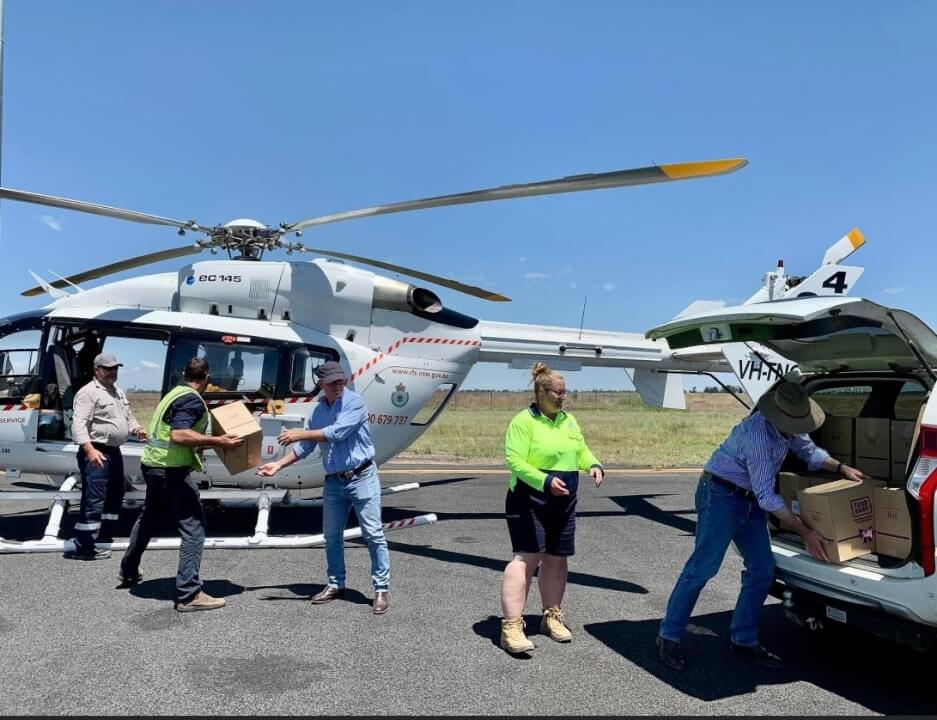
Moree Floods FBNA hampers and chopper

At Foodbank NSW & ACT, we have seen the devasting impacts of natural disasters in our communities. During last year’s floods, a quarter of our community struggled to put food on the table.

Thanks to the support of our partners, donors and volunteers, we were able to step up and provide essential food and supplies to affected areas as part of the official emergency response network. To date, we have distributed over 160,000 emergency hampers to communities in crisis, going to any lengths necessary to get food, water and personal care to those who need it most.

Right now, we’re bracing for another devasting bushfire season. We already have 2,500 emergency hampers packed and ready to distribute to impacted areas, but as food insecurity affects more people than ever before, we need our response to be faster than ever.

That is why we are advocating on behalf of our communities for the NSW Government to write us into the official state-wide emergency planning group to allow us to get vital food to disaster-stricken communities when they need it most.


And with your support, we can continue to deliver vital food on the ground to all communities through disaster and beyond. Thank you.

If you or someone you know needs support, please visit our Find Food portal so we can connect you to a Foodbank community partner in your area.
Here for Aussies doing it tough