
Fuelling Wellbeing One Meal at a Time 

By the time the first students arrive, the room is already warm. The smell of toast drifts down the corridor, and the quiet clink of bowls and cutlery signals that breakfast is ready.

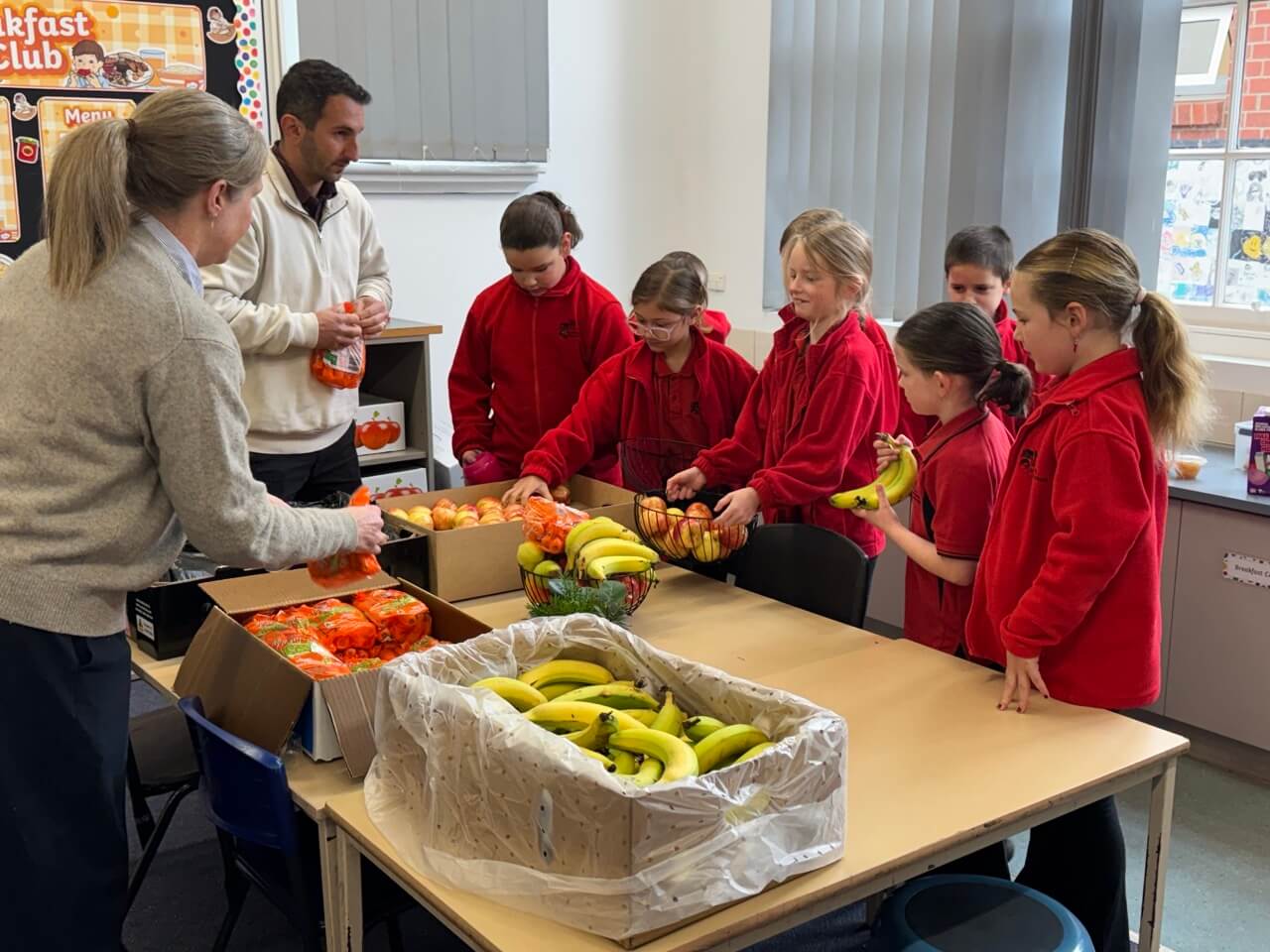
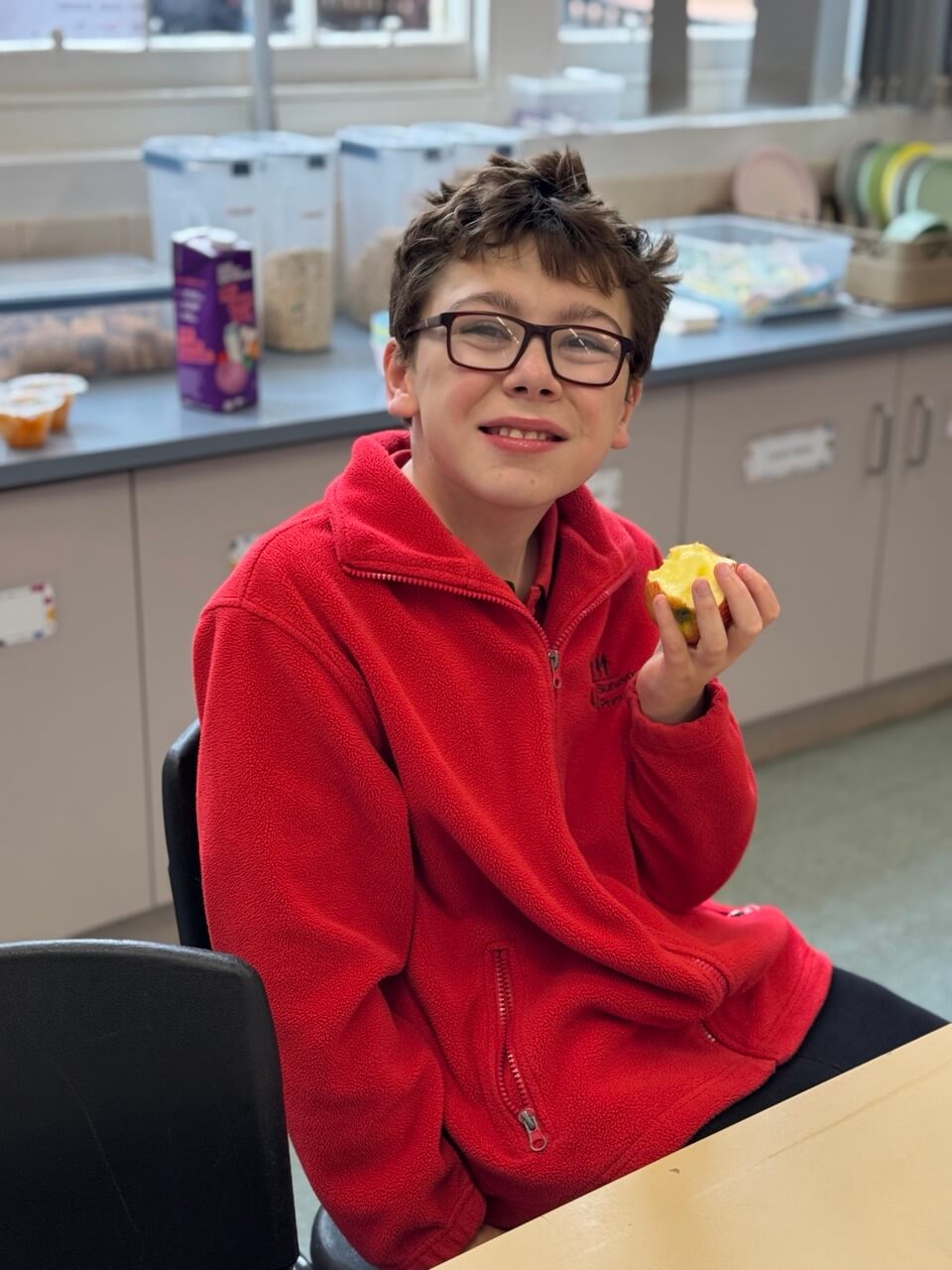
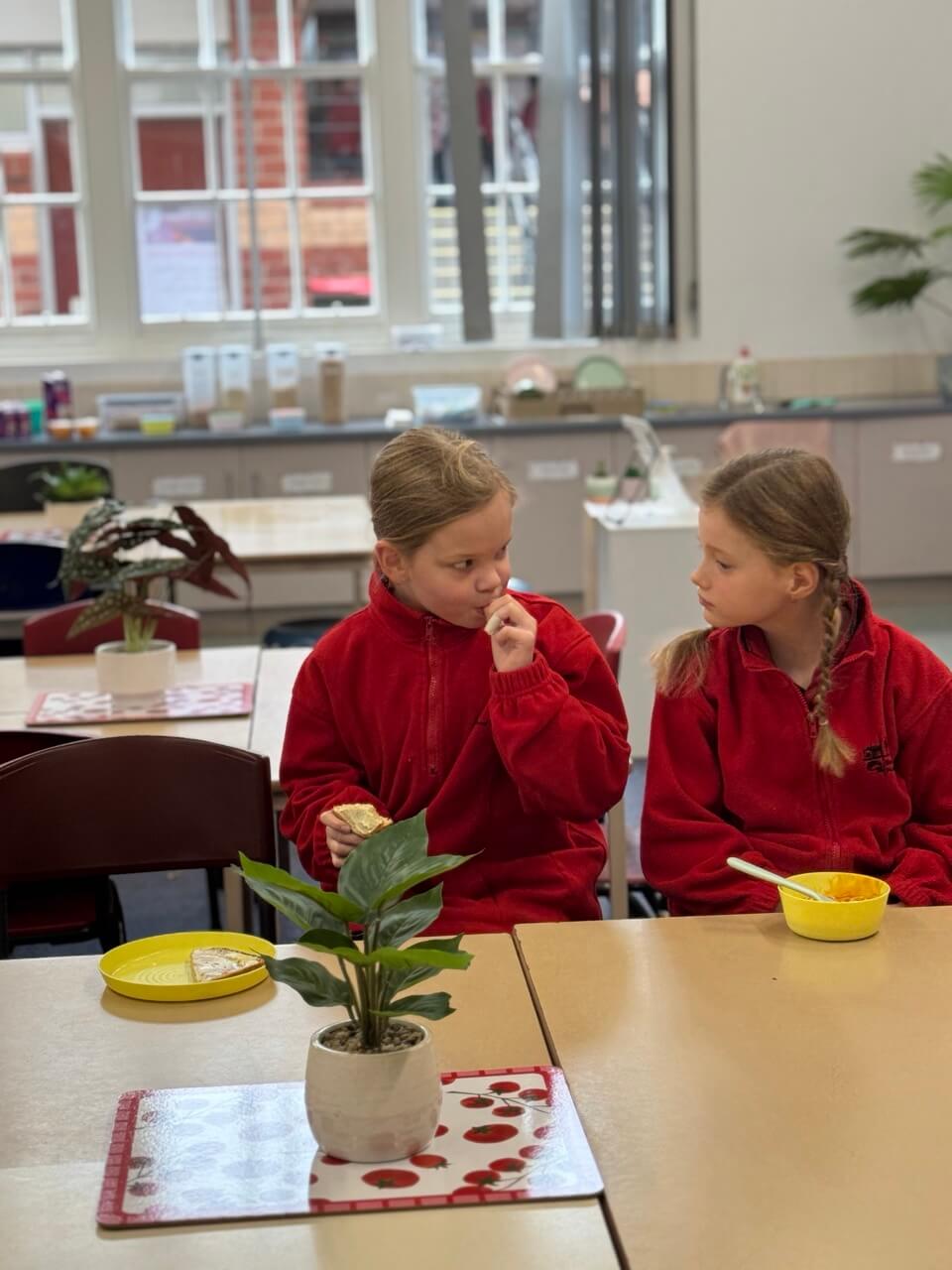
Inside the breakfast club room, cereals are laid out, fruit is stacked within easy reach, and the milk is chilled and ready. For around 50 students at Vermont Secondary College each morning, this space is where the school day truly begins.

The set‑up is simple by design. The classroom chosen for its storage cupboards and tables arranged to encourage conversation and connection. But what happens here every morning makes a powerful difference.

Breakfast club runs every school day, quietly supporting any of the school’s 1,700 students who arrive hungry, may be feeling a little anxious, or simply needing a safe and inviting space before the bell rings.

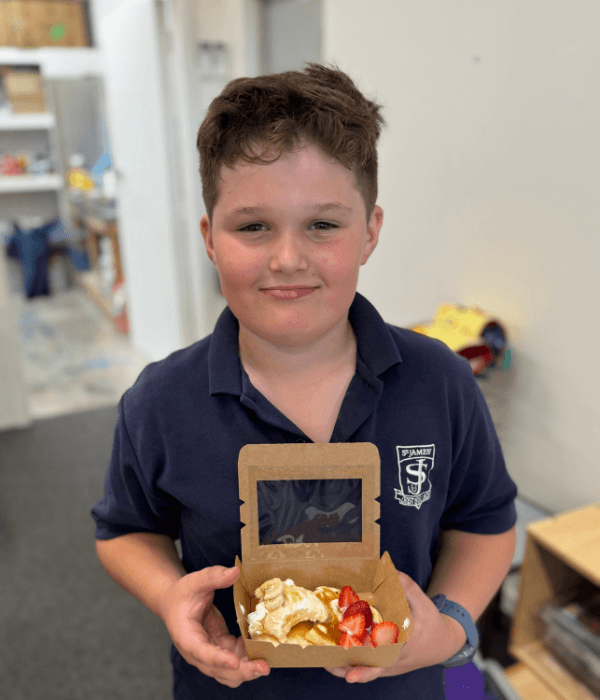
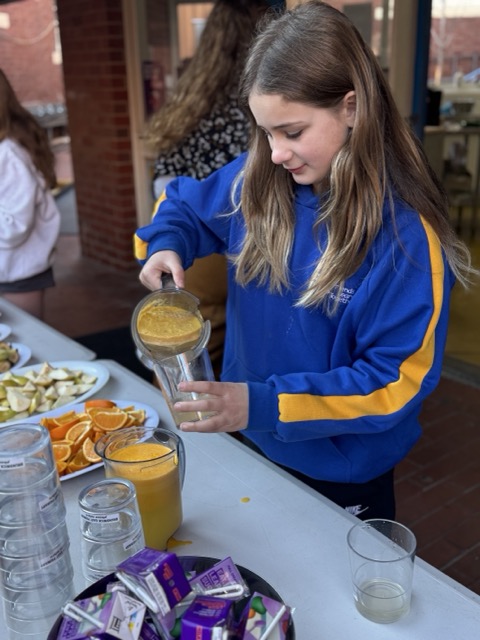
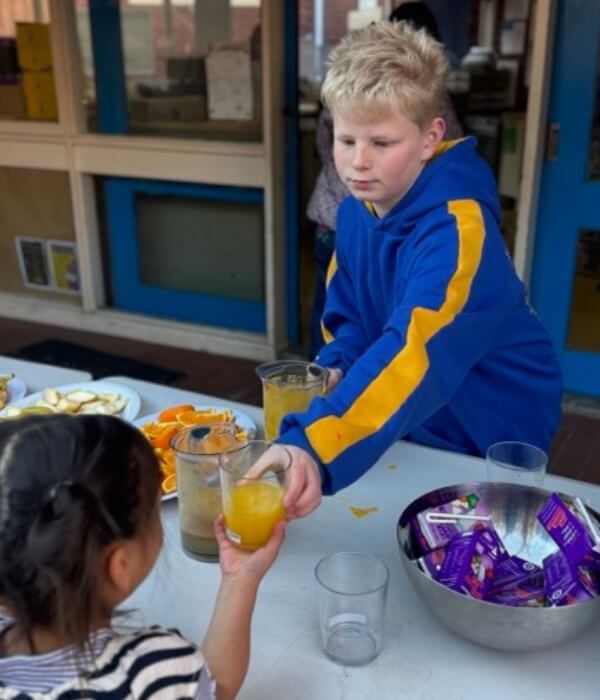
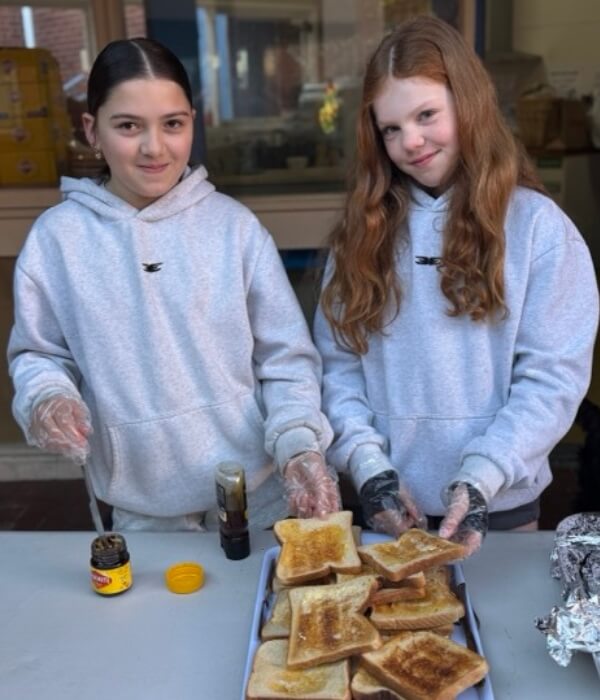
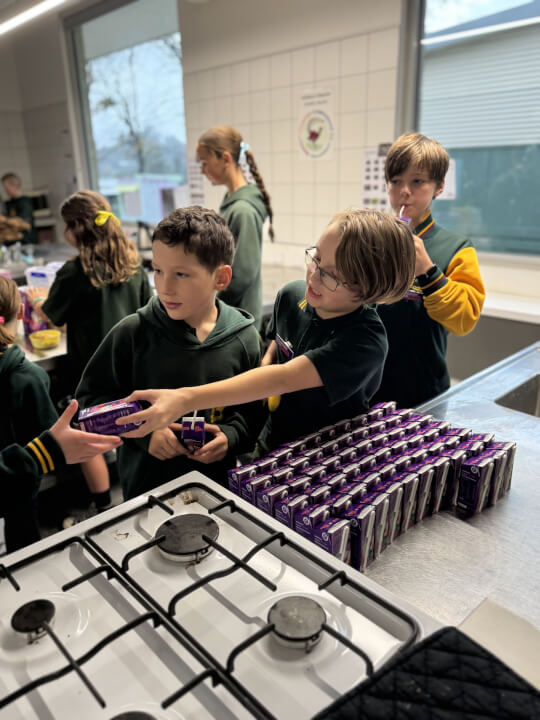
Students move through clearly defined zones – cereal, toast, fruit – supported by fellow students who volunteer their time. On Thursdays, the atmosphere lifts just a little more, because it’s ‘Toastie Thursday’ – the clear highlight for all.

The day before, the wellbeing team and a small group of hand‑picked student helpers prepare a few loaves of bread, ready for the following morning’s rush. On Thursdays, the toastie press works at double speed, with platters of freshly toasted goodness disappearing quicker than you can say, well…toast.

Image of man in kitchen with text overlayed saying 3.4 million households in Australia are food insecure

Powered by young people

Several students who volunteered in 2025, returned in 2026, bringing experience, confidence and leadership. School Captain Juliet is a regular helper, leading by example and helping create a calm, welcoming environment where students feel comfortable to come in, eat, and stay awhile. 

“I just really want to help out as much as I can. It’s a really great initiative,” says Juliet. “For me, in the morning it’s often a choice between sleeping in a little bit longer, or eating breakfast – to have a place where I can do both helps me get through the day. And I know a lot of students are in the same boat.”

For many student volunteers, this is their first experience of responsibility, teamwork and giving back. They quickly grow into their roles – learning how small actions can have a big impact and gaining a few new life skills at the same time.

Supporting student wellbeing beyond breakfast

The connections made over breakfast often lead to something more. The wellbeing team has found that these informal morning interactions make support more accessible. Conversations that start over cereal or toast often continue later, when students feel ready.

Understanding that the need for nutrition doesn’t stop at breakfast, Vermont Secondary College also provides targeted lunch support for students identified as needing additional assistance. Working closely with teaching staff, the wellbeing team ensures students facing who need it, have reliable access to food across the school day.

Lunch items are made available in a planned, discreet way, protecting student dignity and removing the need for explanation. Tuna rice bowls, noodle soups and rice-based options are organised each morning, with many students choosing to collect their lunch ahead of time. This simple step reduces anxiety and allows students to focus on learning, rather than worry about the day ahead. Staff have noticed the increase in need for lunch, with Wellbeing Leader, Leesa telling us, “The tuna bowls disappear within minutes.”

At Vermont Secondary College, Breakfast Club is doing exactly what it’s meant to do. It’s reliable access to nutritious food, it’s strengthening student confidence and leadership and supporting student wellbeing in real, tangible ways.

From chopping to confidence

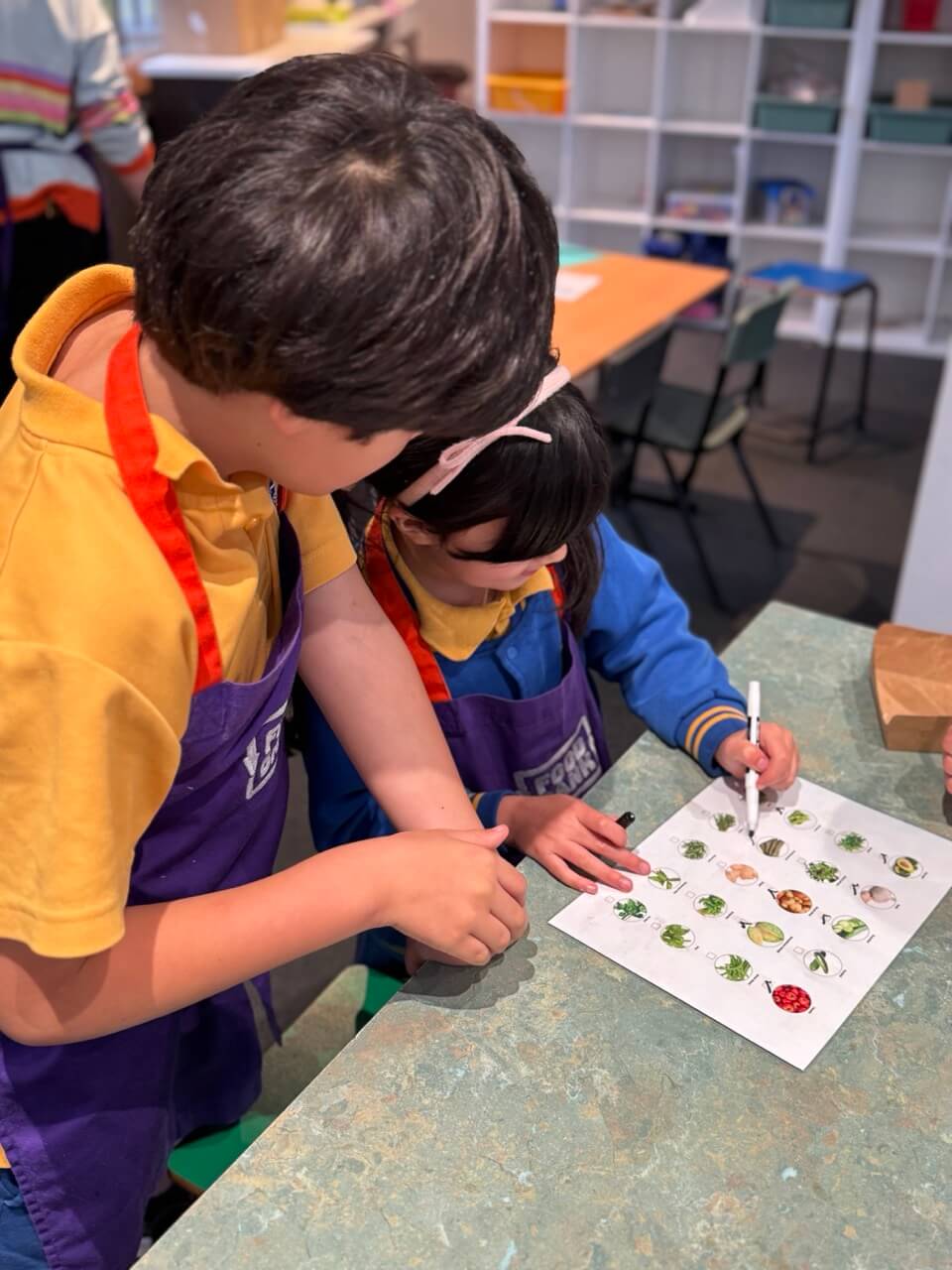
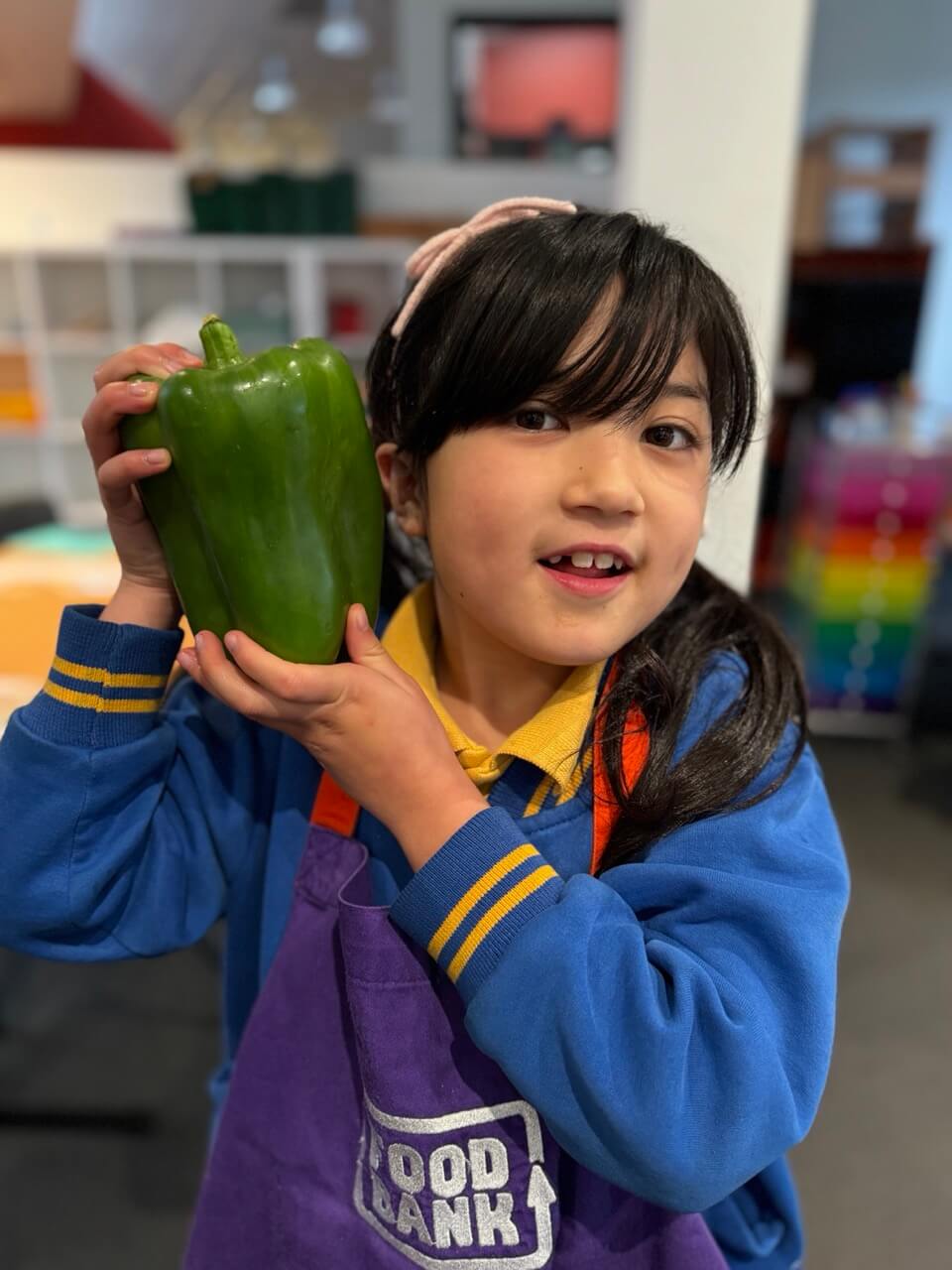
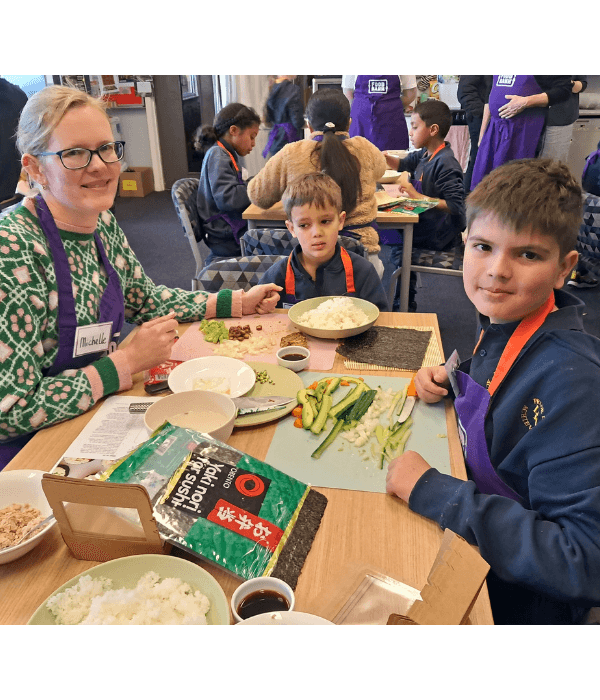
Cooking Class days at Magpie Primary School quickly became the highlight of the week. Each Tuesday, the art room transformed into a lively kitchen filled with sizzling pans, excited chatter and the joy of kids discovering something new. Over four weeks, students built confidence, learnt practical skills and found that food literacy can be fun, creative and empowering.

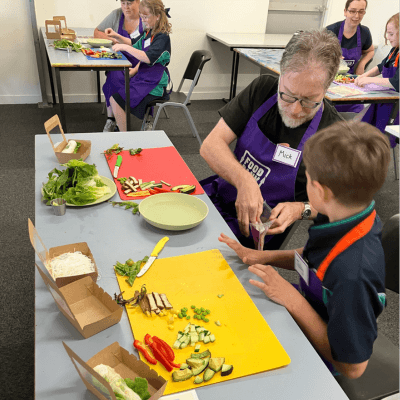
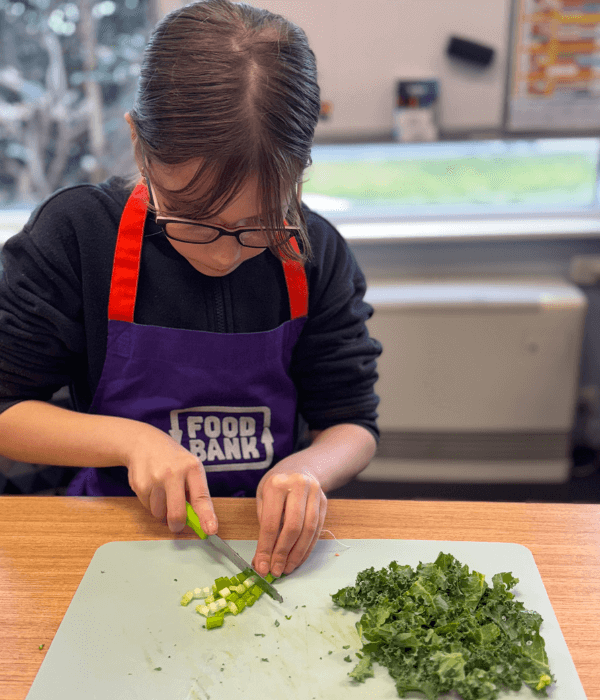
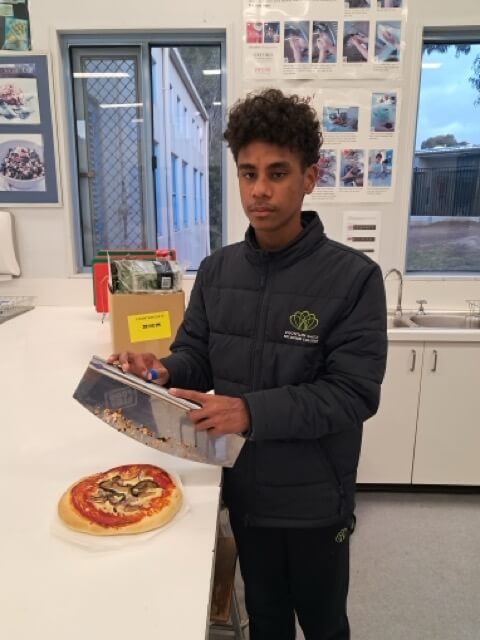
Knife‑skills day set the tone. What began with furrowed-brow concentration soon turned into lifted-chin pride as students realised they could prepare food safely and independently. Each recipe became a chance for personal expression. 

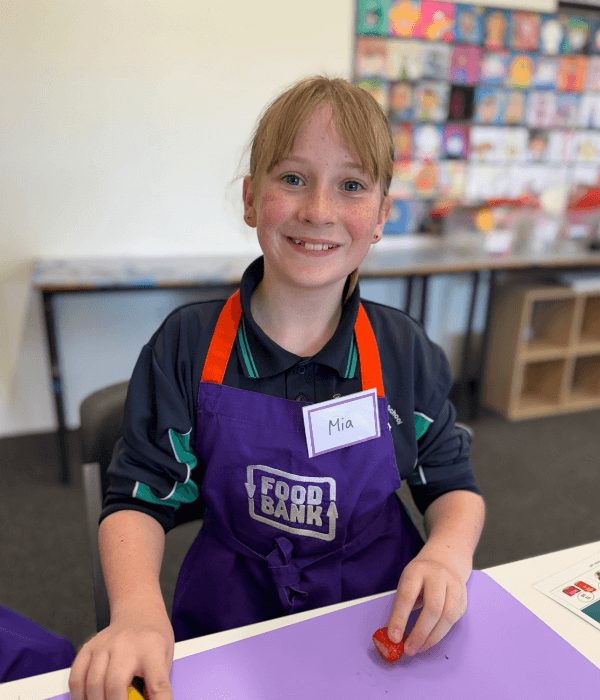
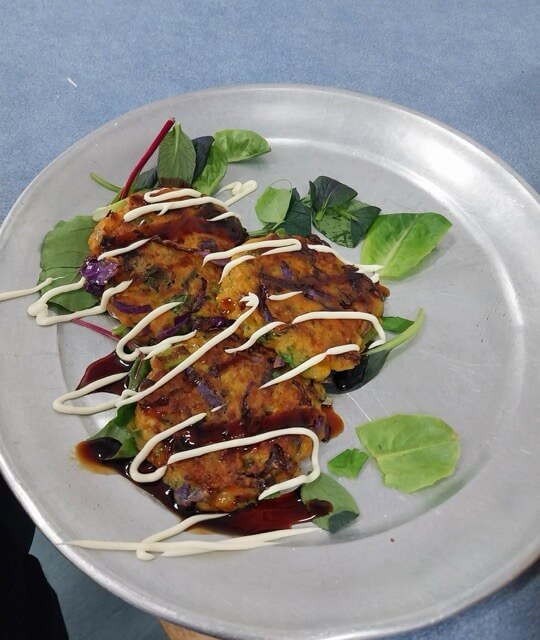
Mia declared rice paper rolls her favourite, okonomiyaki introduced new flavours, and pancake week turned the room into a mini test kitchen. Tyler added fruit to his batter; Jack mastered flipping; Toby quietly produced perfect circles every time.

The program strengthened the school community just as much as it built skills. One staff member shared, “The program enabled the families to build closer and more positive relationships with each other and socially with other families. They enjoyed trying new recipes together and spending one‑on‑one time doing something their children were excited about”. 

A grandparent rearranged his Tuesdays just so he and his grandson could attend, telling us: my grandson ”wanted us to put our names down, so I made myself available every week.”

Parents noticed changes at home too.

 “My child doesn’t usually try different foods, and she surprised me by tasting different veggies.”

 “After the first week, my son showed me all the chopping techniques he’d learnt – he even corrected me.”

Food hampers were also appreciated, with several families recreating class recipes at home each week. For many, this helped build confidence and connection beyond the school gates.

In a heart‑warming act of kindness, a staff member attended each session with a Grade 2 student whose parents couldn’t come. Every week the attentive and thoughtful youngster made sure to take enough food home for all his siblings, capturing the spirit of food as an act of care.

The program aligned beautifully with the school’s wellbeing goals. It created a safe, inclusive space where students built confidence, learnt healthy habits and experienced success. Families connected socially and supported one another throughout the program. As the school Cooking Classes key contact, Karen, reflected, “Students have learnt valuable life skills, healthy eating habits and have grown their confidence in the kitchen – all while having fun.”

By the final week, the students weren’t just cooking, they were creating, tasting, sharing and laughing. They were building memories and skills that will stay with them long after the last pancake had been flipped. 

Karen summed it up perfectly: 

“This program teaches families about healthy cooking and eating while supporting students’ wellbeing through spending quality time together.”


A recipe for belonging

When Broadmeadows Special Development School (Sorrento Campus) introduced the Cooking Classes program to their community the goal was simple: create a space where families could come together, cook, and share a meal. What happened next was far more powerful than anyone expected.

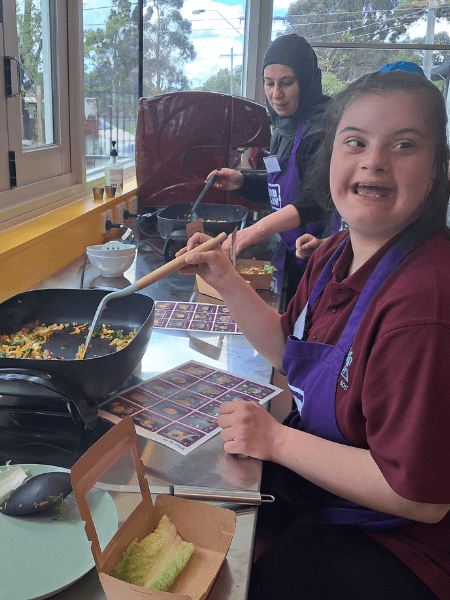
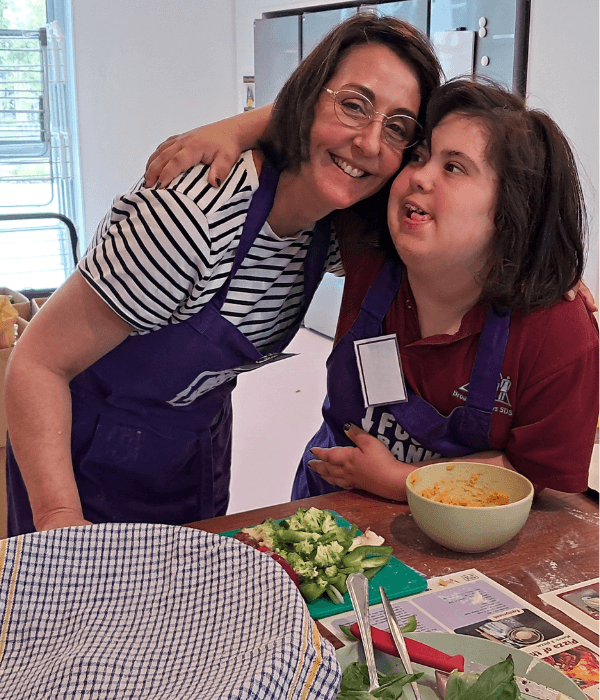
Each Wednesday, the school kitchen filled with laughter, chatter, and the aroma of something delicious. Parents rolled up their sleeves alongside their children, learning new recipes and discovering ingredients they’d never tried before. For most of the families taking part this was about more than simply cooking together, it was a chance to spend quality time with their children in a setting that was warm and welcoming for them.

The Cooking Classes team, as always, worked hard to make the program inclusive. Recipes were simple, affordable, and family-friendly, so everyone could participate confidently. Families could continue the experience at home with their weekly hampers filled with fresh ingredients, with some recreating the class recipes for their entire household, turning a school activity into a new family tradition.

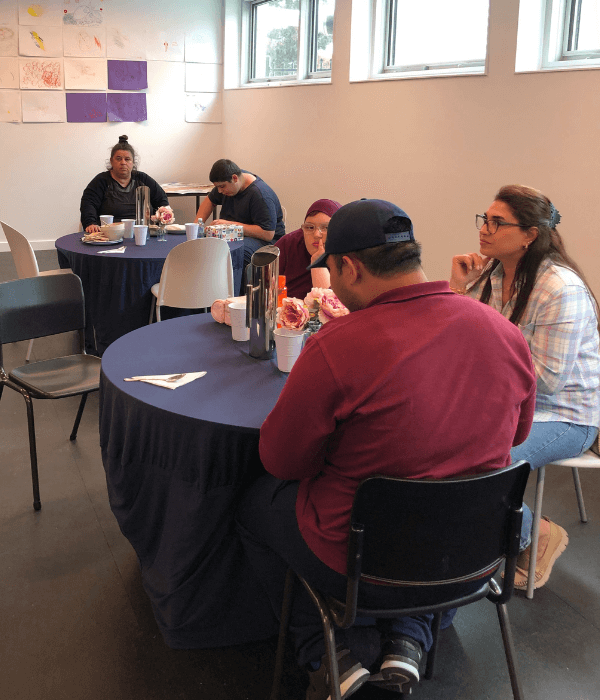
And the experience didn’t end in the kitchen. After each session, students and families gathered at specially created tables – complete with tablecloths and flower centrepieces – to enjoy the meal they had prepared together. It felt like their own little restaurant. These shared meals became a highlight of the week, reinforcing the sense of community and belonging that the program set out to create.

One parent summed it up perfectly: “It’s been really great. E gets so excited about our special time together on Wednesdays. We’ve even made the recipes at home for her sisters. And the hampers? We love looking through them together – it’s like opening a treasure chest of good food.”

The beauty of the school’s diversity also means that for some, cultural or financial challenges led to feelings of isolation. The Cooking Classes program was a lifeline for them, because it wasn’t just about food, it was also about connection. Parents met other parents, shared stories, and built friendships. For some, this was the first time they’d felt part of a community.

Of course, the students loved the classes too. Every Wednesday they’d be excited to see their parents at school and proud to show off their newly acquired knife and cooking skills. Teachers also noticed that students who usually shy away from new foods were willing to taste, and even enjoy, what they’d made.

From the school’s perspective, the program was a game-changer:

“The parents have really enjoyed coming in, and the children are so excited each Wednesday. One of the best parts is seeing kids try new foods, especially those who are usually averse to it. The hampers are a real treat for families.

“We’re so thankful to be part of this program. The team has done an amazing job adapting it to suit our students. It’s a wonderful initiative!”

Home Food Packs – Tailored Support

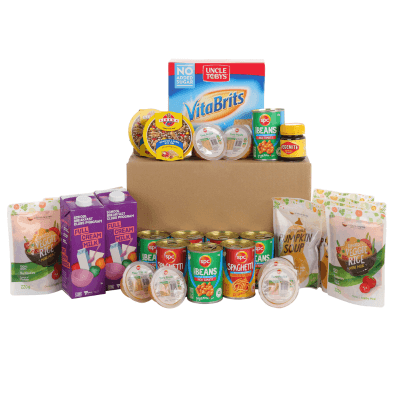
Schools are finding practical ways to support identified students and their families who need a little extra help through the home food packs program. The School Breakfast Clubs Program isn’t just about providing meals at school – it also supports students who may not have enough food or access to nutritious food at home. The home food packs are designed to offer flexibility, choice, and solutions that work for each school community.

Giving Families Choice

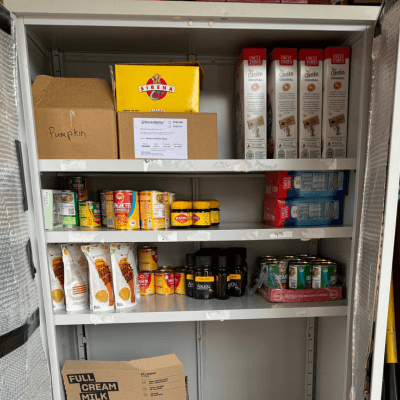
A south-eastern primary school has taken a proactive approach by introducing a pantry system. Rather than sending the pre-packed boxes home, the school recognised that families value the ability to choose what works best for them. This simple change means families can select the items they need, helping reduce waste and giving them more control.

The pantry is stocked with items from the School Breakfast Clubs Program menu, ensuring access to nutritious staples. And donations from a local church add extra variety, making it a true community effort that keeps the shelves full and the options wide ranging.

This approach makes support feel natural and easy. Students and their families can get what they need without feeling restricted, and the process encourages independence and comfort during challenging times.

Keeping Support Private

A west Victorian school has developed a thoughtful approach to supporting families who need extra food at home. They know that how support is delivered matters, so they focus on privacy and practicality.

Instead of sending the pre-packed boxes home in one go, the school divides them into smaller, manageable portions. These are packed into School Breakfast Clubs Program calico bags, which fit inside a student’s school bag so food can be carried home discreetly.

Staff also arrange quiet pick-up times when other students aren’t around. This small but important consideration means schools can support students and their families with dignity and respect. It’s a simple system that makes getting help feel easy and comfortable.

Responding When Demand Spikes

When a secondary college saw a surge in need during winter, driven by rising energy bills and household pressures, they acted quickly. The school requested extra home food packs to meet demand, showing how important it is to be responsive and flexible when families need more support.

Life can change quickly, and being prepared makes all the difference. The home food pack program provides reassurance for schools and supports students who may not have enough food or access to nutritious meals at home.

These examples show that schools aren’t just handing out home food packs – they’re listening to their communities and adapting the program to fit real needs. And that’s what truly makes a difference.


Lessons That Go Beyond the Kitchen    

When Deer Park West Primary School joined the Cooking Classes Program, it sparked more than just excitement, it ignited a journey of learning, connection, and growth. The program proved that cooking is a powerful tool for education, bringing families together while teaching essential skills that extend far beyond the kitchen. 

At its core, the program is about more than preparing meals, it’s about learning through doing. Each week, students explore new recipes, learning how to follow instructions, measure ingredients, and work collaboratively. These hands-on experiences nurtured confidence, curiosity, and creativity. 

At Deer Park West, older siblings stepped up to lead the cooking process, while younger ones eagerly joined in, chopping veggies and cracking eggs. The pop-up kitchen became another classroom, and every meal became a lesson in teamwork, responsibility, and pride. 

“My mum and I have learned a lot from the program and hope it can bring us closer together at home and in the kitchen.” — Abigail, Student 

The take-home hampers, filled with fresh produce, encouraged families to think creatively and resourcefully. Whether following the provided recipes or inventing their own, families learned how to make the best of what they had on hand. 

One parent reflected: 

“Cooking for the family used to be difficult. I didn’t always know what to make or how to please everyone. Now, with the kids helping and the recipes provided, I feel more confident.” 

This shift in mindset, from uncertainty to confidence, highlights how the program empowers families to learn together and support one another. 

A key part of the program is the introduction to kitchen safety and nutrition education. Students mastered knife safety techniques such as the rock and chop, the claw, and the bridge, building their confidence with each session. Cooking classes aren’t just about preparing food – they’re about learning how to be safe, responsible, and independent. 

In addition to cooking skills, students also learned to read nutrition labels and ingredient lists. This eye-opening experience is helping them make informed, healthier choices, like opting for fruit-infused water instead of soft drinks. 

The Cooking Classes Program teaches students and families how to: 

  • Cook and experiment with ingredients 
  • Work together and support one another 
  • Stay safe in the kitchen 
  • Make healthier choices 
  • Be confident and resourceful 

These are lessons that go far beyond the kitchen they’re lessons for life. The Cooking Classes Program at Deer Park West Primary School was more than just preparing food, it was a way to bond and build skills that will last well beyond the program. 

Big thanks to placement student Angelina for her contributions to the Cooking Classes at Deer Park West, both in the kitchen and with helping to write this case study.

BEPS Brekky Club Fuels Friendship and Future Leaders 

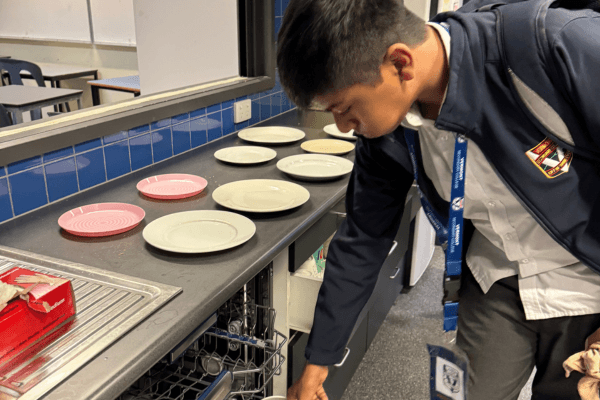
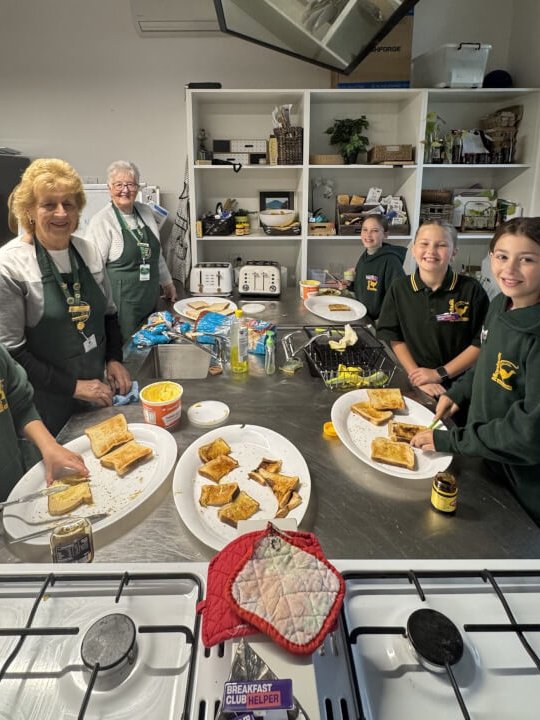
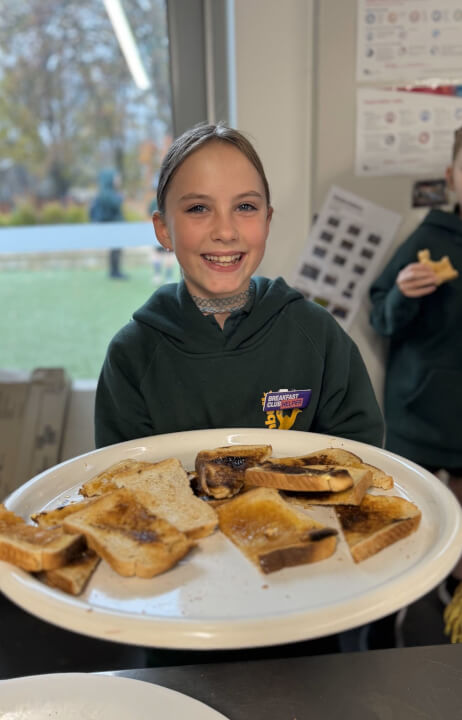
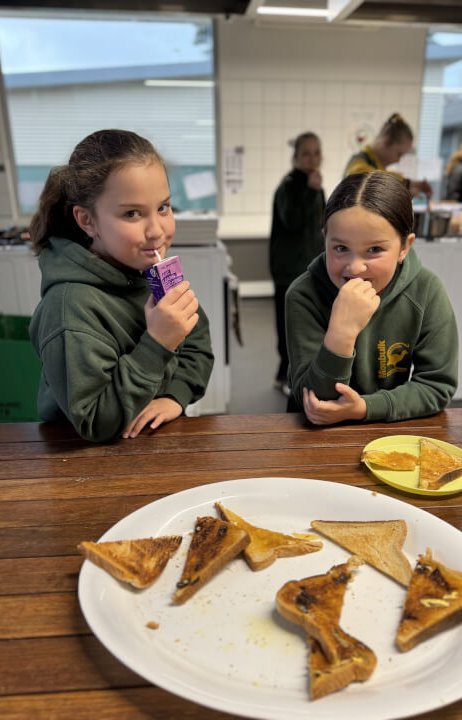
Each morning at Brunswick East Primary School (BEPS), the Breakfast Club leaders arrive early and get straight to work. They set up serving tables, lay out cereal, reusable cutlery and crockery, make toast and jaffles, and slice fresh fruit. It’s a smooth, cheerful routine that feels like it’s been part of the school forever – yet Breakfast Club has only been running for three terms. 

Since launching in Term 4, 2024, the program has quickly become a much-loved part of daily life at BEPS. Starting at three days a week, it now runs every school day thanks to its growing popularity and impact. More than just a place to grab a bite, Breakfast Club is a space where students connect, support one another, and grow as leaders. 

From the beginning, the vision was clear: Breakfast Club would be student-led. BEPS Principal Erin Wiley explains, “It’s part of our leadership program. Student involvement was a given. Right from the beginning, we signed up with the intention that our student leaders would run the show.”

Year 6 students were invited to self-nominate, and the school’s Education Support staff helped formalise the structure with a job description. Students then applied for the role of ‘Breakfast Club Leader’, delivering self-written speeches to a panel of teachers. Those selected take on real responsibility, training helpers, managing supplies, topping up fruit bowls, and ensuring leftovers are shared with classrooms to avoid waste. Leaders rotate on a two-week roster, giving many students the chance to step up and shine via the breakfast club helper initiative – also student led.

Breakfast Club Helpers are year 5/6’s who are approached and encouraged by leaders to add their names to the fortnightly roster. They are mentored and guided by breakfast club leader, to encourage helpers to put their hand up for future leadership roles.  

This inclusive, hands-on approach has helped the BEPS students build skills that go far beyond the breakfast table. They learn how to work as a team, take initiative, and support their peers. “I’ve learnt how to encourage little kids and make them smile,” says Finn. And Audrey “learnt how to make jaffles and work a really weird dishwasher.”  

Younger students look up to the leaders, especially the preps. “They see us as role models… when they’re in Grade 6 they might put their hand up to be a Breakfast Club leader,” beamed Audrey with pride “I like that we get to inspire them”. Finn’s also proud that he can “inspire other kids to do it.”  

Beyond breakfast, the club plays a vital role in student wellbeing. It’s a gentle, welcoming start to the day, especially for new students and those feeling anxious. It’s also become a key part of the Prep Transition process, helping little ones settle in and feel part of the school community right from the get-go.  

Brunswick East Primary School’s Breakfast Club is a remarkable example of what happens when students are trusted to lead. It’s a space filled with warmth, purpose, and plenty of toast – where friendships are formed, confidence grows, and future leaders are made. 

And in true BEPS style, Finn summed it up with a grin: “We’re awesome sauce!” Yep, we think you’re awesome sauce too, Finn. 

Cooking Classes Build Confidence  

Fountain Gate Secondary College jumped at the opportunity to have the Cooking Class program at their school. Wellbeing Coordinator Kerry was keen to get involved as she knew it would be a great way to promote healthy eating, as well as build practical kitchen skills. She also knows that food brings people together, and that Cooking Classes would go a long way in strengthening family relationships.  

And that’s what they got – plus a whole lot more! The program made a lasting impact on both students and their families. 

Beyond strengthening relationships between staff and families, the classes created a space for students to connect meaningfully with their parents and opened the door to positive communication channels. 

“It has been nice seeing students connecting with their parent or guardian in the room, they all look so happy to learn new skills and try new tastes. In a world where connection is lacking, it’s great to see students truly engaging.” 

Something for everyone

Students of varying backgrounds and interests found value in the program.  One student, initially hesitant to participate, quickly found that he had gained confidence in the kitchen and developed his knife skills. He especially enjoyed making rice paper rolls and the okonomiyaki which he enjoyed cooking for his family at home – something he never envisioned. 

Another student, who has a long-standing love for cooking, appreciated the opportunity to deepen her knowledge in a fun and hands-on environment. She learned how to prepare new healthy and nutritious meals while spending quality time with her mum, something that’s getting harder and harder to do. Busy family schedules have been a bit of a time thief, so cooking classes were a welcome activity. 

But the most surprising transformation came from a student who had always been a very picky eater. A self-confessed chicken nugget fan, this student was inspired by the facilitators and fresh produce to try new vegetables – even discovering they liked things they had convinced themselves they didn’t. The cherry on top was the increased confidence in the kitchen, from knife handling to food safety and everything in between. 

Confidence, Connection and Commitment to Healthy Eating

The inclusion of take-home food hampers from Foodbank Victoria allowed families to try recipes together outside the classroom. Many reported that they’d begun to incorporate the recipes into their regular meal planning, promoting healthier eating habits at home and encouraging their children to take a more active role in family cooking. 

Fountain Gate Secondary College welcomed our facilitator, Jane into their kitchen with open arms. But if given the opportunity to welcome a guest chef to Cooking Classes, they unanimously chose Jamie Oliver—renowned for his commitment to healthy eating and inspiring young people to love food. 

Testimonials

Parents and carers saw the benefits reach beyond the classroom:   


“This program has definitely helped him become more confident” said one mum. ‘Not only in the kitchen and cooking, but also within himself. We are so grateful for the opportunity.” 


“Doing these cooking classes has given me the opportunity to spend quality one-on-one time with my daughter and help her gain skills she will use throughout her life.” 


“This program is amazing. I’ve enjoyed learning new recipes and using produce I wouldn’t normally use. It has broadened my horizons.” 


This seems to good to be true. From organisation, to preparation and relationships, this program is absolutely amazing! We have been so pleased that our school can be part of this program and that it benefitted so many different families within our school. Between the onsite cooking classes and the food hampers, 24 families have benefited from this program. It is lovely to see the families come together to cook and prepare a healthy meal together. Their teamwork and bonding as a family has also been wonderful to watch throughout this program. This is something that we would most definitely recommend to others,” – Kerry Gore, school contact coordinating the Cooking Classes.

Empowering Leadership and Fostering Autonomy

Set amongst the gumtrees and ferns of the Dandenong ranges, the essence of Monbulk Primary School’s Breakfast Club is student leadership and autonomy.

On a cold and dreary Tuesday morning the students were met with warmth not only from the steaming pot of porridge, but from the student leaders and volunteers that make breakfast club “homely”. That warmth is a direct result of the care shown by the students and community members who make it happen.

Running every Tuesday and Thursday, serving 50–60 students out of a total school population of 230, Breakfast Club not only provides a nutritious start to the day, it has also become a dynamic platform for student leadership, autonomy, and community connection.

Student Empowerment

The heart of the Breakfast Club’s success lies in its student-led model. Year five and six students genuinely take ownership—managing food stations, restocking breakfast items, and even stepping up to run the Club independently when the coordinator, Meg, was unwell recently.

To foster this sense of ownership, Meg sent a survey to year five and six students, asking that they choose their preferred days and roles should they want to be involved. This gave the students a voice and a sense of responsibility over their roles. This structure has cultivated a culture of trust, initiative, and pride among the students. As one teacher noted, students who attend Breakfast Club, whether it be to participate in a leadership role or just to have brekky, displayed improved behaviour and engagement throughout the day.

The Club’s “cruisey” atmosphere, as Meg describes it, is a testament to the autonomy embedded in its operations. Students are not just helpers—they are leaders. They introduce new breakfast items each term (like warm porridge with honey in Term 2), adapt to changing needs, and ensure the smooth running of the club with minimal adult intervention.

This autonomy extends beyond the morning responsibilities. Student leaders also manage the fruit bowls, ensuring classrooms are well stocked and ready each day. This has led to healthier eating habits, with more fruit being consumed across the school.

Community

While student leadership is central, the club thrives thanks to strong community ties. Parents regularly volunteer, and the local Country Women’s Association (CWA) plays a key role, especially on Tuesdays. With a roster of eight members—including Cheryl and Wendy, both former students—the CWA brings a sense of continuity and heritage.

The school’s collaboration with the CWA and relationship with parent volunteers reflects a broader culture of shared responsibility and community-mindedness. It’s not just a school breakfast program—it’s a community.

At Monbulk Primary School, Breakfast Club is more than food. It’s a space where students gather, connect, and start their day with a sense of belonging. Even those who don’t come for breakfast, still come along to chat with friends, reinforcing the notion that food brings people together.

Monbulk Primary School’s Breakfast Club is a beautiful example of how leadership and autonomy can be nurtured in young students. By trusting them with responsibilities and celebrating their contributions, the school has created a program that feeds both body and spirit—one bowl of warm porridge at a time!


More than lunch: How schools are serving up support

At Footscray High School (Kinnear Campus) student wellbeing is at the heart of everything they do. With Dana leading the charge as the Mental Health Practitioner, big steps have been made to improve food access for students. Dana and the team have worked hard to break down stigma around accessing food, creating an open and welcoming space for communication and building connection.

Through the School Breakfast Clubs Program, schools can access a range of emergency lunch products to further support students who may not have access to a sufficient or nutritious lunch. Providing lunch items at school enables identified students to concentrate and participate effectively in the school day.

“Food is nurture” says Dana, “And it’s an access point to wellbeing. The lunch program at Footscray High is not just about the food, this is a supportive space all round.”

Lunch items are available for students who require additional access to food throughout the day and are accessed via the wellbeing office. Everything from the School Breakfast Clubs Program soups to tuna bowls is available, right next to the wellbeing office, where Dana and the Wellbeing team sit. Students ring the doorbell to access the area, ensuring that Wellbeing team have an opportunity to build meaningful connections with students through food. Students can then use the microwaves in the VCE and canteen areas to heat up their lunch.

There’s no going without at Wallan Primary School

Meanwhile, at Wallan Primary, they’ve made sure that no student goes without food. Every day, they offer a lunch program that gives all students who need it, easy access to lunch. Around 20 students benefit each day, making sure they’re fuelled up for learning. The tuna and rice bowls and the fresh fruit are particularly popular choices.

Breakfast Club Coordinator Karen is grateful they can give their students lunch when they need it.  “It is fantastic that we are able to provide food for our students, no questions asked. Students particularly like having apples available to them during class time”.

Like Footscray High School, the lunch program serves a greater purpose at Wallan Primary, “providing lunch to our most vulnerable students helps to get them ready for learning. We are also able to identify families that may require further assistance,” said Karen.

Wellbeing in focus at Werribee Secondary College

Amy, a Mental Health Practitioner from Werribee Secondary College has found the lunch program particularly helpful with engagement and wellbeing. “Food is a great way to connect with kids” she said. “The lunch products are a great way to get to know the students. While they’re waiting for meals to heat up, we use that time to build rapport and make sure that they have a positive experience with people at the school.”

“Food is such a great way to connect with people, especially teenagers, and it is such a great starting point to get to know them and build a sense of trust.”

All these schools have shown just how important it is to take care of students’ nutritional needs. They’ve created environments that reduce stigma and make sure students feel nourished—physically and emotionally.

The lunch programs at Footscray High School (Kinnear Camus), Werribee Secondary College and Wallan Primary School are just a few brilliant examples of how food access plays a vital role as a connector to wellbeing.


Gleneagles Secondary College: Stirring Up Success and Building Bonds 

The School Breakfast Clubs Program Cooking Classes at Gleneagles Secondary College have been a hit!  

It’s not just about learning to cook; it’s about bringing people together and creating lasting connections. The program has added even more variety to Gleneagles’ offering, helping staff, students, and parents build stronger bonds.  

Teachers and staff have had the chance to get to know students and their families better, making the school feel even more like a supportive and inclusive community. Plus, students have made new friends, boosting their social skills and sense of belonging. 

Why Gleneagles loved it 

Gleneagles Secondary College signed up to the Cooking Classes program to build stronger relationships within the school community. “We thought it was a great chance to build relationships.” said Sabrina, Youth Support Officer. “It also educates families on the benefits of healthy eating and supports those families with extra food.”  The take home hampers provide families with nutritious ingredients, helping put what they learn in class into practice at home. 

Why the families loved it 

Families love joining the Cooking Classes because it’s a special time to bond. With everyone’s busy schedules, it can be hard to find quality time together. The classes give parents and kids a chance to cook side by side, strengthening their relationships and creating wonderful memories. 

“We don’t get to do too much together” said Candice, mum of year seven student, Mya. “Mya’s younger brother takes up a lot of my spare time, so this was a great way to do something that’s just us”. 

Students enjoy the Cooking Classes for many reasons. They learn how to cook, gain confidence in the kitchen, and get to take charge. This sense of ownership and responsibility is empowering, and it lets them guide their parents through the cooking process, flipping the usual roles and building mutual respect. 

Marwa, who is currently in Year 12 said she signed up to take part in Cooking Classes as she enjoys cooking and it “helps her de-stress”, while Lena, Year 7, signed up with mum to make new friends at the school.  

Youth Support Officer, Sabrina, shared touching stories from families about how the program has made a difference. One family, who used to rely on take away, now cooks healthy meals together at home. This change not only improves their nutrition but also helps their child develop better eating habits. Another family shared that dad had never cooked before, but through the program, he learned to cook with his daughter, creating a special bond and gaining a valuable new skill. 

Cooking at home 

The families really appreciated the food hampers. Many have tried the recipes provided, as well as mixing it up with some of their own touches, while others are still exploring them. Budding chef Rida mixed it up, substituting some of the ingredients in the Rice Paper Rolls take home hamper to make a fusion meal for the family!  

The Cooking Class program at Gleneagles Secondary College has had a wonderful impact on the students and their families. By bringing them together, promoting healthy eating, and teaching valuable skills, it is an essential part of the school’s efforts to support and engage families.