
Food relief sector call on the federal government to address historic underfunding in midst of the rising level of demand for food.

Foodbank highres 143

Thursday 16 February, 2023

Australia’s major food relief organisations OzHarvest, Foodbank and SecondBite are calling on the federal government to address historic underfunding of the sector to ensure it can address the ever-rising levels of demand for food relief.

OzHarvest’s Founder and CEO, Ronni Kahn AO, said despite multiple submissions to the federal government over years, base funding has not increased.

How many more people need to be hungry before this issue gets attention? Most of the charities we support do not have enough food to meet demand and we still have 600 on the waiting list. Food insecurity is a problem that is not going away.

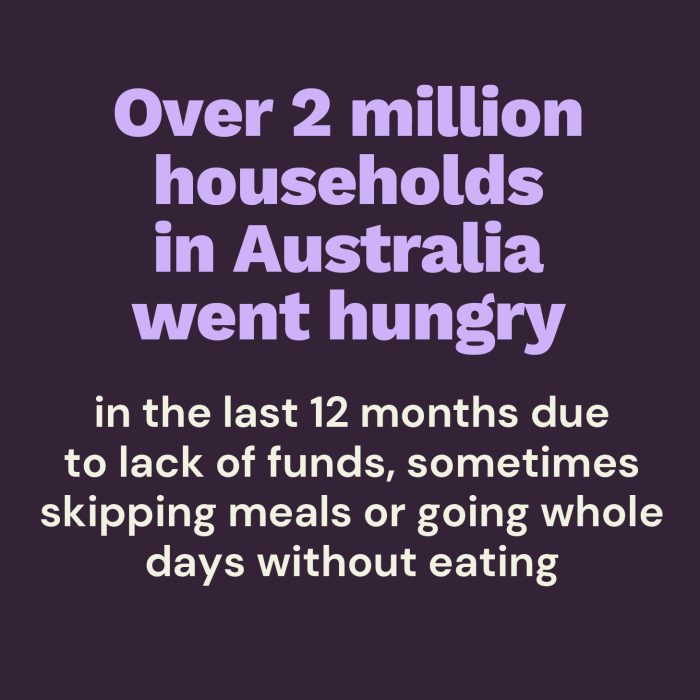
Foodbank Hunger Report 2022 revealed a shocking picture with over 2 million Australian households experiencing food insecurity last year.

Foodbank Australia CEO, Briana Casey, said demand for food relief continues to increase,

We are seeing more and more everyday Australians reach out for help. These are people with jobs, double incomes, mortgages but the cost-of-living crisis is impacting them too and many find themselves asking for food relief for the first time. On a typical day, half a million households are struggling to put food on the table and we know only 306,000 households access food relief. This is a gap that is growing, and we need federal support to fill it.
Australian Food Relief Sector preparing fruits

SecondBite Acting CEO Lucy Coward said increasing mortgage repayments, rent rises, energy and food prices are squeezing people’s budgets and they are seeking help from charities in unprecedented numbers across Australia.

The food relief sector has never seen demand rising at such a pace. We’re hearing stories of elderly people prioritising their pets over themselves and parents going without so their children can go to school with food in their lunchbox. The federal government must increase sector funding as a national priority.

Last year, 1.3 million children lived in severely food insecure households, but the federal government only allocated just over $2 million dollars to the food relief sector. That’s less than $2 per child for the year without factoring in the hundreds of thousands of adults also experiencing food insecurity.
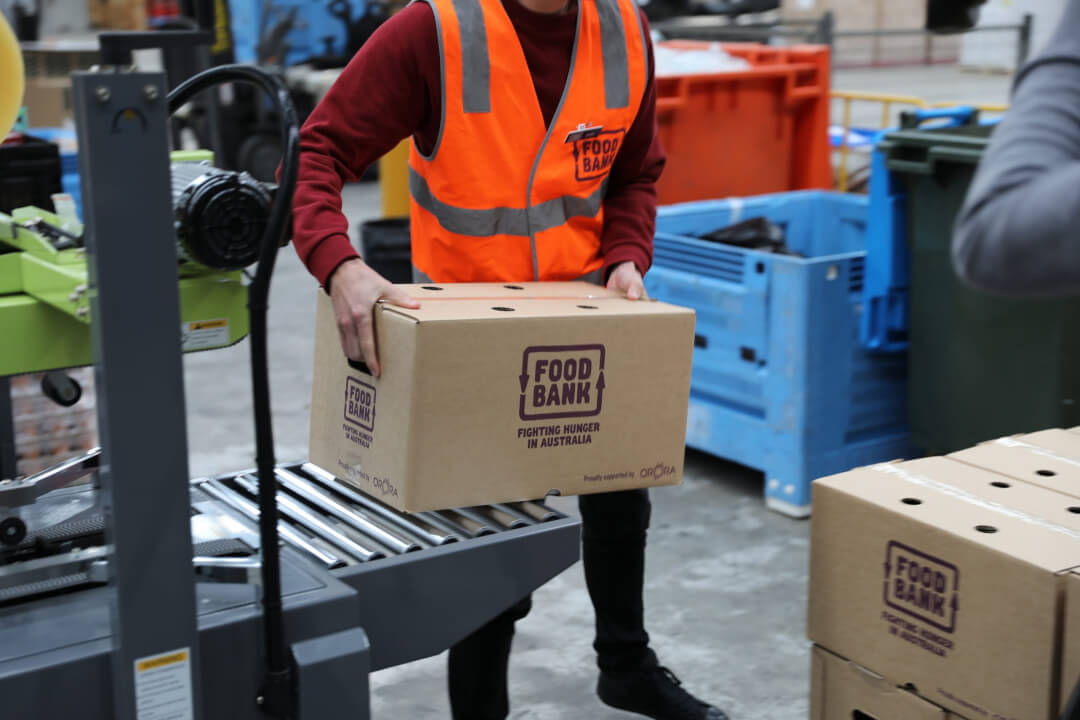
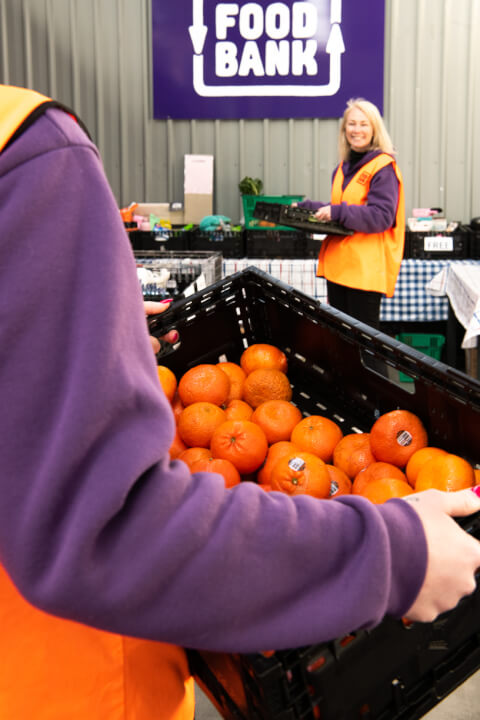
Foodbank VIC staff carrying a foodbank box of food donation

Together OzHarvest, SecondBite and Foodbank are calling on the federal government to invest $45m annually so that food relief can be made available to all vulnerable Australians every day of the year.

While governments have stepped up to provide emergency funding in response to natural disasters and the pandemic, the food insecurity crisis is just as much of a national emergency and needs an urgent long-term financial commitment to solve. Band aid solutions are not helping the hundreds of thousands of Australians in desperate need.


Furry friends not forgotten when times are tough 

Wednesday 30th November,2022: With the cost of living crisis affecting more and more people with every week that passes, households with pets have emerged as more likely to be experiencing food insecurity.  

The Foodbank Hunger Report 2022 highlighted that on any given day, more than half a million households are struggling to put food on the table. Of those, 67% have pets, meaning they are not only struggling to feed themselves, but also their pets. 

Today, Foodbank launched its inaugural Foodbank Pet Care Day to acknowledge and thank the generous donors in the pet care industry who ensure the food relief organisation can offer pet food and pet care products for food relief recipients’ furry friends so that no-one – including a treasured pet– goes without in households facing tough times.

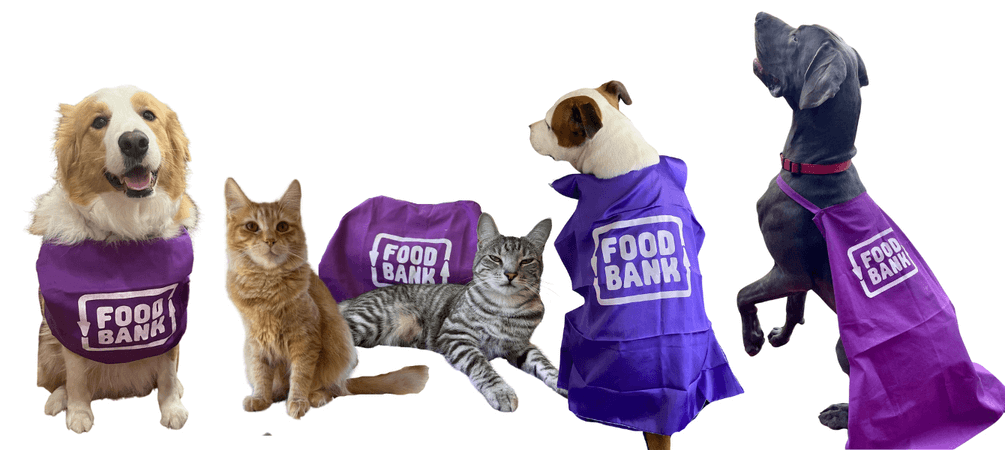
dog wearing a purple foodbank apron

Foodbank Australia CEO, Brianna Casey, is a dog owner herself and recognises that for many, pets are seen as loved and loyal family members. We know how important pets are for those who are struggling with loneliness and social isolation, and the last thing we want is for people to have to give up their pets when they have lost so much else in their lives.”

Foodbank is so grateful for the kindness and generosity being shown by wonderful petcare partners, Mars Petcare, Royal Canin and Nestle, who donate Pedigree and Purina among other productsto ensure our four-legged friends aren’t forgotten when times are tough”

Ms Casey said.

Together, Foodbank’s national petcare partners have generously donated nearly 2 million kilograms of pet care products over the past five years.  

“From working dogs on farms to rescue cats in rental properties, Foodbank is pleased to be able to make pet food available nationwide” Ms Casey said. 

Foodbank’s inaugural Pet Care Day, celebrated on the 30th November, is aiming to raise awareness of food insecurity in homes with pets and to thank the generous support of the many national and state donors who help ensure these furry friends do not go without. 

Droopy_FBA

We couldn’t do what we do without you.

Mars Petcare lockup RGB

Royal Canin logo

Purina logo

PetCareDay FBA 1

Urgent food donation tax reform needed to help fight cost of living crisis and deliver sustainability outcomes

Foodbank VIC staff carrying a foodbank box of food donation

Wednesday 23rd November 2022: Australia currently wastes more than 7.6 million tonnes of food each year costing the economy over $36.6 billion. Of this, 70 percent is perfectly edible and redirecting it to food relief would potentially deliver a social return of $2 billion at a time when the demand for food relief has never been higher.

Despite the clear environmental, social and economic benefits of donating food to food relief, Australia’s current tax framework does not motivate food producers to donate excess stock. In fact, in tax terms, donating is no different to recycling or sending to landfill even though it may cost the company more.

Foodbank Australia CEO, Brianna Casey said,

It is ludicrous that our tax system does not reward hard-working farmers and small business transporters who contribute invaluable products and services to food relief. We should be making it easier to donate rather than dump perfectly good produce that may not look quite right, and one of the ways we can do that it by making sensible changes to our tax system to incentivise food donation.

Foodbank is recommending that Australia’s tax settings be recalibrated to incentivise donations to food relief. Experience in other countries, including the USA, France, Canada and the Netherlands, shows that tax incentives are the most effective way to increase the redirection of food donations to food relief.

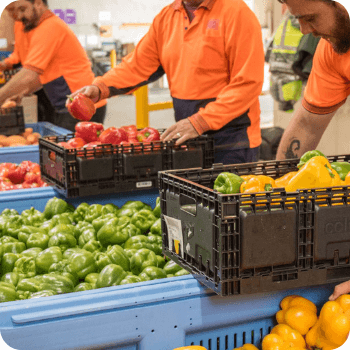
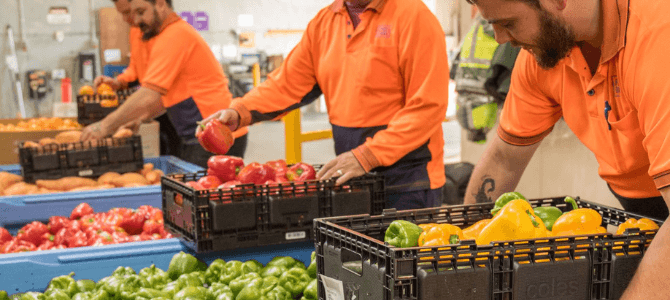
KPMG Australia : bell peppers placed in big trays

The tax incentive proposal, developed by KPMG Australia with the support of the Fight Food Waste Cooperative Research Centre and Australia’s food relief sector recommends a two-tiered tax incentive based on the ability to offset a percentage of costs related to food donations from taxable income. Its aim is to encourage food producers to donate surplus product to food relief rather than sending it to landfill.

KPMG has now completed a follow-up project where it consulted widely with the food industry to determine the feasibility and potential effectiveness of the proposed tax incentive. Interviews were conducted with 33 companies representing both national and local businesses along the whole food supply chain. The overwhelming message is that there is whole-of-sector support for the scheme. In fact, companies are highly passionate about the potential of the incentive to really shift the dial on redirecting surplus to food relief.

Australia has set itself an ambitious target of halving food waste by 2030, and with only 7 years to go, we need the Australian government to take bold and decisive action, including the introduction of a National Food Donation Tax Incentive

Ms Casey said.

eggplant in heart shape

In addition to contributing to sustainability goals, the proposed incentives would provide support to small to medium enterprises, particularly farmers and small businesses in transport and logistics, stimulating regional economies and mitigating some of the economic impacts of labour shortages, natural disasters and the cost-of-living crisis.

Fight Food Waste CRC Chief Executive Officer Dr Steve Lapidge says the research and subsequent proposal show the power of collaboration in addressing Australia’s food waste challenges.

“This research was led by one of Australia’s biggest financial organisations, KPMG, in conjunction with one of its biggest food relief organisations, Foodbank. To meet Australia’s goal of halving food waste by 2030, it’s partnerships like these, coordinated through the Fight Food Waste CRC, that will have the biggest impact not only on the amount of food we waste but just as importantly on the lives of millions of Australians who are food insecure,” said Dr Lapidge.

Australia Facts: 2 million households went hungry

The Foodbank Hunger Report 2022 highlighted that over 2 million Australian households were severely food insecure in the last 12 months and on any given day 306,000 households are receiving assistance from food relief organisations. The cost-of-living was cited as the main factor for those experiencing food insecurity, placing added demand on food relief organisations such as Foodbank as the crisis escalates.

Organisations supporting this incentive represent leaders of Australia’s food and grocery supply, manufacturing, retail and transport sectors as well as agricultural, rural, social service, public health and food waste research peak bodies. Many of these organisations and their members currently donate to food relief organisations, which distribute food and grocery items to thousands of charity organisations and schools.

Every $1 will help provide 2 meals

Hunger relief charity thanks Aussie farmers for invaluable support

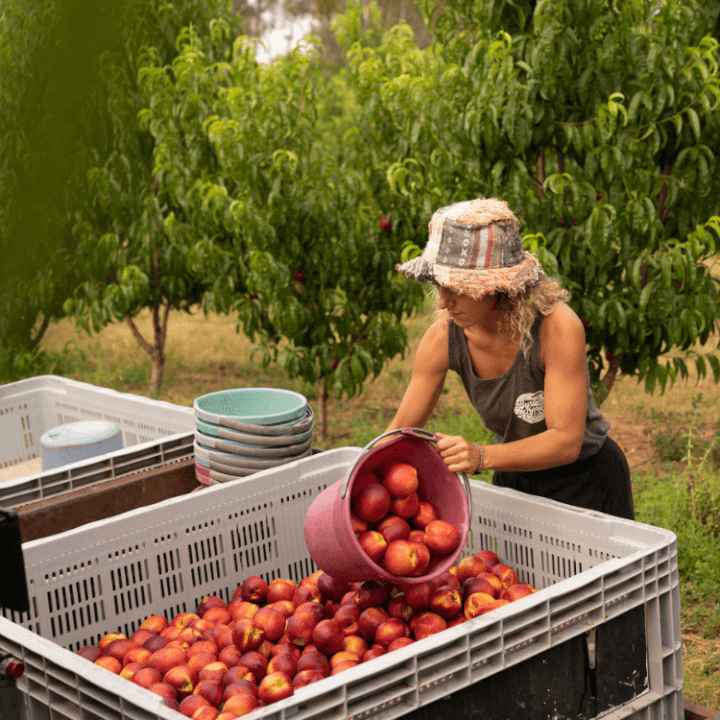
woman transferring a bucket of apple in a big tray

(Image provided by Montague)

Friday 18th November: 18.5 million kilograms. That is the amount of home grown, fresh Aussie produce that was generously donated to Foodbank from Australian farmers and growers last year.

Today, on National Agriculture Day, Foodbank is celebrating and thanking our country’s hardworking farmers and growers for their ongoing support to the food relief organisation to ensure those struggling have access to nutritious, fresh produce year-round.

With so many farming communities across the eastern states enduring relentless flooding and the loss of would-be bumper crops, the generosity shown by farmers and growers in supporting the most vulnerable in our community is even more significant.

In 2021, Foodbank sourced the equivalent of 86.7 million meals for essential food relief, 30 percent which was sourced directly from Australia’s world-renowned agricultural industry. More than 30 percent of Foodbank’s total food relief volume is distributed to rural, regional and remote areas, allowing the food relief charity to give back to the very communities who – in good times – are some of the most generous food donors to Foodbank.

Foodbank Australia CEO, Brianna Casey said,

We live in one of the richest nations in the world. We produce enough food to feed our population three times over. Yet, on any given day in Australia, more than half a million households are struggling to put food on the table.

“We cannot thank our incredible farming communities enough. They continue to support the work we do even while facing devastating natural disasters that don’t seem to ease up.”

Foodbanks in NSW and Victoria continue to pack and distribute emergency food relief hampers and pallets of fresh produce which have been making their way to flood-affected areas across Victoria and NSW for the last two months, on top of ongoing food relief to assist with recovery from previous disaster events.

“Our thoughts are with all the communities struggling at the moment, and in particular those close-knit, vibrant communities facing unfathomable devastation as a result of these latest floods. We want these communities to know that Foodbank will be right there with them as long as needed to help these towns get back on their feet.”

fruits in a black tray carried by a foodbank volunteer

Food relief sector calls on state & territory governments to follow NSW lead on demand for federal tax reform

Australian Food Relief Sector preparing fruits

Tuesday 8th November 2022: The Australian food relief sector welcomes the recommendation in the NSW parliamentary report into food production and supply in NSW, that the NSW Government should advocate for tax reform at the federal level on food donations, and calls on other State and Territory Governments to add their voices to the growing call for this smart policy approach.

The Foodbank Hunger Report 2022 highlighted that over 2 million Australian households were severely food insecure in the last 12 months, yet the country currently wastes more than 7.6 million tonnes of food each year, costing the economy over $36.6 billion. Of this food, 70% is perfectly edible and redirecting it to food relief would potentially deliver $2 billion in social return.

Despite this, Australia’s current tax framework does not motivate food producers to donate excess stock. In fact, in tax terms, donating is no different to recycling or sending to landfill even though it may cost the company more. Foodbank Australia CEO, Brianna Casey says,

We recommend tax settings be recalibrated to incentivise donations to food relief. Experience in other countries, including the USA, France, Canada and the Netherlands, shows that tax incentives are the most effective way to increase the redirection of food donations, to food relief.

In addition to contributing to sustainability goals and helping hungry Australians, the proposed incentives are invaluable, SecondBite CEO Steve Clifford says, “This policy would provide support to small to medium enterprises, particularly farmers and small businesses in transport and logistics, stimulating regional economies and mitigating some of the economic impacts of labour shortages, natural disasters and the cost-of-living crisis.”

The tax incentive proposal, developed by KPMG with the support of the Fight Food Waste Cooperative Research Centre, recommends a two-tiered tax incentive based on the ability to offset a percentage of costs related to food donations from taxable income. Its aim is to encourage food producers to donate surplus product to food relief rather than sending it to landfill.

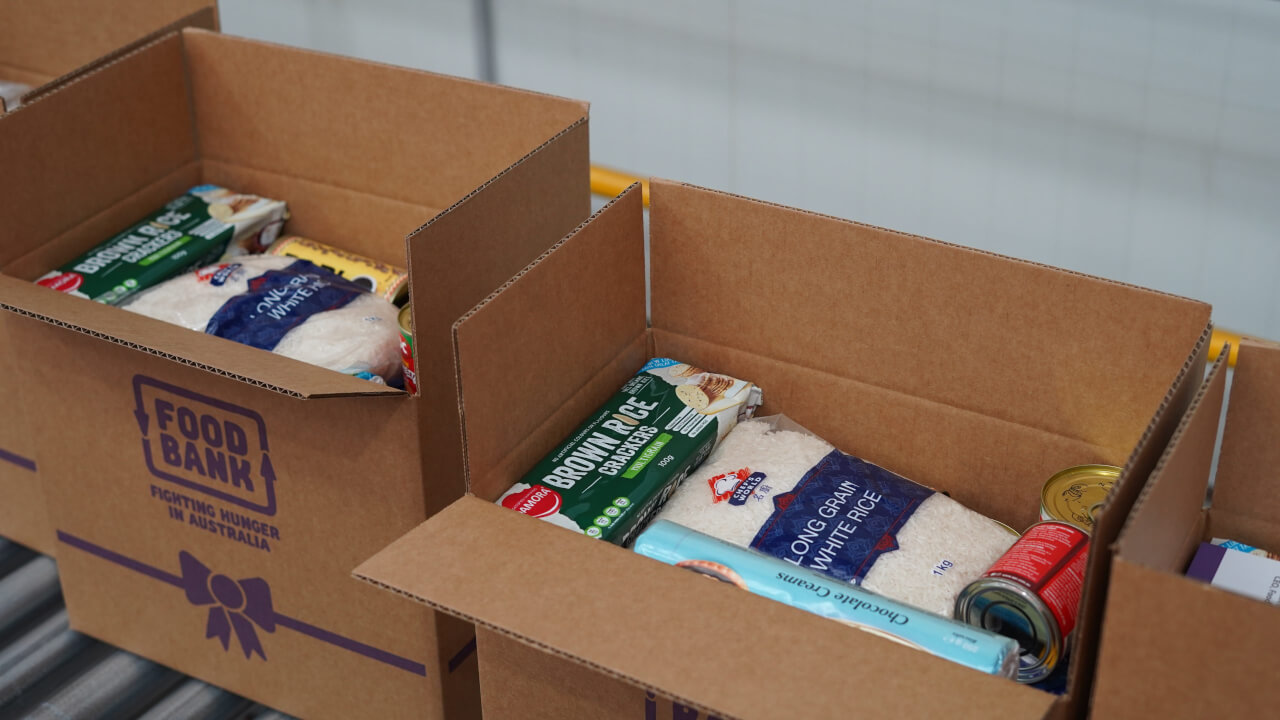
Hamper boxes from Foodbank

According to OzHarvest CEO, Ronni Kahn AO:

Given that food waste is a significant problem facing Australia we need powerful policy levers including tax changes to ensure food feeds people rather than going to landfill. We need to see action from all levels of society and particularly from the federal government on this policy.

MEDIA RELEASE

Thursday, 29 September 2022

New food waste initiative to help millions of food insecure Australians

 Australian businesses and the Australian government can help strengthen food rescue, help feed food insecure Australians, and minimise the environmental impacts of food waste, latest Sector Action Plan from Stop Food Waste Australia outlines. 

Food rescue plays a critical role in Australia meeting its stated target of halving food waste by 2030 while also helping address the growing need for food relief. In 2021, Australia’s food rescue sector redirected or repurposed more than 80 million kilograms of good-quality food and redistributed it as meals for millions of food insecure Australians. 

fruit and vegetable clip art

The Food Rescue Sector Action Plan has been co-designed and developed with Australia’s four biggest food rescue charities – Foodbank, OzHarvest, SecondBite and FareShare. The Plan outlines key interventions in research, policy, business collaboration and education that will help support and strengthen food rescue, reduce food waste across the supply chain and assist food insecure Australians. 

The Sector Action Plan aims to increase surplus food captured for redistribution, highlighting key initiatives for both the food rescue sector and policy-makers, primary producers, manufacturers, retailers, transport and logistics organisations and other associated parties, including: 

  • Improving tax incentives to encourage donations of surplus food and essential services to the food rescue sector. 
  • Establish a collaborative steering group within the sector to discuss and prioritise actions and develop a workable plan for the sector to implement. 
  • Enhance research initiatives to improve collective understanding of the sector and current food rescue models and systems, and investigate alternative models of food rescue and distribution of surplus food. 
  • Partner with the Australian Food Pact Signatories – comprising some of Australia’s biggest food businesses – to embed food donation into business practices and food waste reduction targets. 


Stop Food Waste Australia Chief Executive Officer Dr Steven Lapidge says the value of Australia’s food rescue sector cannot be understated. 

“Food rescue is a unique approach to reducing food waste because it also has the fundamental co-benefit of reducing food insecurity,” Dr Lapidge says. 

foodbank Hamper packages

Australians continue to waste more than 7.6 million tonnes of food every year – 70% of which is edible. At the same time, one in six Australian adults haven’t had enough to eat in the last year, and 1.2 million Australian children have gone hungry.

Stop Food Waste Australia Chief Operating Officer Mark Barthel says the Sector Action Plan offers a path for increasing the amount of food redistributed to vulnerable Australians and diverted from landfill – contributing to Australia’s target of halving food waste by 2030. 

“The Food Rescue Sector Action Plan highlights the importance of collaboration with and between the biggest food rescue charities, the government and business partners to ensure good-quality surplus food is donated to the people who need it and not wasted. 

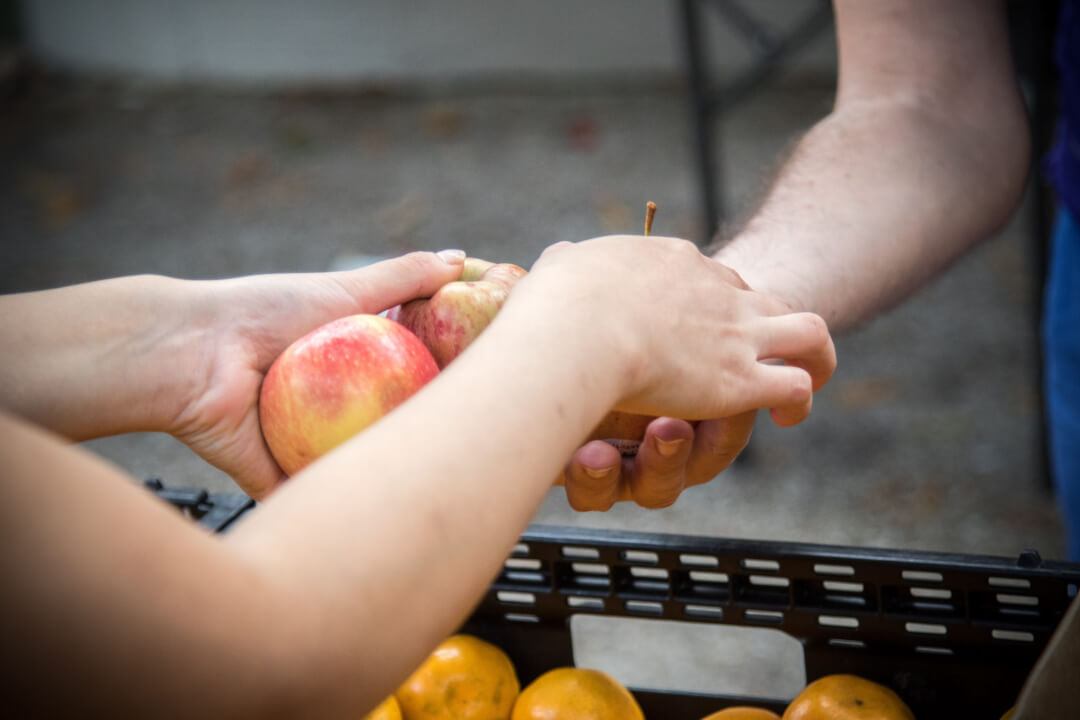
a hand receiving fruits

 “Food rescue is such an important sector for us and the progress we’ve made as part of developing the Plan in a few short years has been truly impressive and driven by a group of very passionate people with a strong sense of purpose. 

“We are also working with a growing number of food businesses, like signatories to the Australian Food Pact, to prevent food from being wasted and to maximise the potential for any surplus food that does exist to be donated to the food rescue sector, through partnerships that are in place and strong.” 

Sarah Pennell, General Manager of Business at Foodbank Australia and member of the Food Rescue Sector Action Plan Steering Committee says,

This work will have a positive impact on the lives of millions of Australians who are currently food insecure. It will have a similarly positive impact on helping to reduce this country’s food waste.

For the food rescue sector itself, having Stop Food Waste Australia bring us together to work on this has been game changing.

The release of the Food Rescue Sector Action Plan aligns with the United Nations’ International Day of Awareness of Food Loss and Waste (Thursday, September 29). Stop Food Waste Australia is proudly working towards the UN Sustainability Goal 12.3 to halve food waste by 2030 and acknowledges that this cannot be achieved without the support and commitment of its partners. 

The Food Rescue Sector Action Plan is the second in a series of sector plans developed by Stop Food Waste Australia, following the Food Cold Chain Sector Action Plan released in July 2022. Sector Action Plans provide targeted insights and interventions for food waste ‘hotspots’. The plans are co-designed to address food waste in collaboration with those most able to affect direct change and tackle the root cause(s) of food waste and to support action to reduce food waste in the value chain. 

For more information on the Food Rescue Sector Action Plan: stopfoodwaste.com.au/Sector-Action-Plans 

August 2022,

At Foodbank, we couldn’t do what we do without the incredible Australian primary producers and the vital role they play in producing the food that sustains us all, and the special role they play in helping and enabling Foodbank’s Agri programs. Throughout the year, Foodbank works paddock to plate with partners in all sorts of ways to rescue food and collaborate with partners to ensure we have access to much-needed essentials like fresh meat, fruit, vegetables, dairy and rice.

We were thrilled when our National Partner, SunRice, asked if we would like to attend and speak at the 2022 Rice Growers Conference to discuss food insecurity issues in regional Australia and what we are doing to help get food to those in need. . We wanted to help break the stigma and shame associated with asking for help and also thank Riverina’s hardworking and generous rice growers and supply chain partners.

Every year with SunRice’s manufacturing support and Deniliquin Freighters transport support, a percentage of the annual Australian Rice crop is grown, harvested, and packaged into 1kg retail packs and donated to Foodbank. This collaboration between these wonderful parties enables Foodbank to distribute to those in need right across the country, including back into rural and remote communities. So a big thank you again to SunRice for your ongoing support of Foodbank and producing this great video to help celebrate our partnership

If you are able to help, please donate today. Every $1 will help provide 2 meals.

Woolworths launches hunger appeal with FareShare and Foodbank to support growing need for food relief across Australia

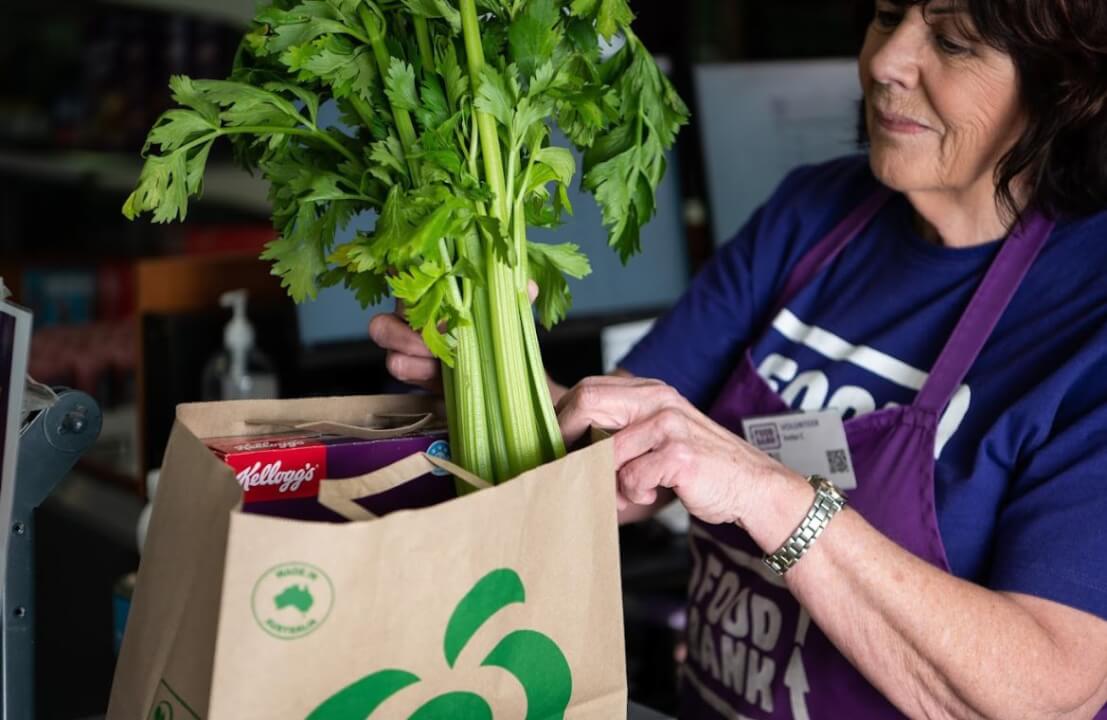
woman putting celery in a paper bag

Wednesday 17 August 2022: With the average monthly demand for food relief in Australia up 50% since 2019 and two in five seeking food relief not getting enough for their household needs*, Woolworths is partnering with Foodbank and FareShare to launch its mid-year Hunger Relief Appeal.

The Appeal will run from Wednesday 17 August until Tuesday 13 September to support the significant funding needed to assist Foodbank and FareShare in providing a portion of the relief required.

Woolworths customers can support Foodbank or FareShare using the ‘round up’ fundraising tool at check out. Throughout the Appeal, Woolworths will also donate 50c from the sale of every Woolworths-branded single-serve Ready Meal to FareShare.

Proceeds from the fundraising tool will go to Foodbank in South Australia, Northern Territory, Western Australia, and New South Wales, and FareShare will be supported by stores in Queensland, Victoria, and Tasmania.

Woolworths Managing Director Natalie Davis said: “As a result of inflation and ongoing impacts of the pandemic, along with increased natural disasters in recent years, the Appeal aims to raise more than $2 million to provide food relief for charities across Australia.

As today’s fresh food people, we are focused on caring for all Australians and small change can make a huge difference—it’s as easy as rounding up a purchase at the self-service checkout, or scanning a barcode after the weekly grocery shopping. We encourage our customers who are in a position to do so to support Foodbank and FareShare via the Hunger Relief Appeal at Woolworths this year.

FareShare operates Australia’s largest charity kitchens in Melbourne and Brisbane, where chefs and volunteers work hand in hand to cook donated food into millions of complete, nutritious meals for those in need. Fareshare has been in partnership with Woolworths since 2008, collecting excess food from more than 100 stores.

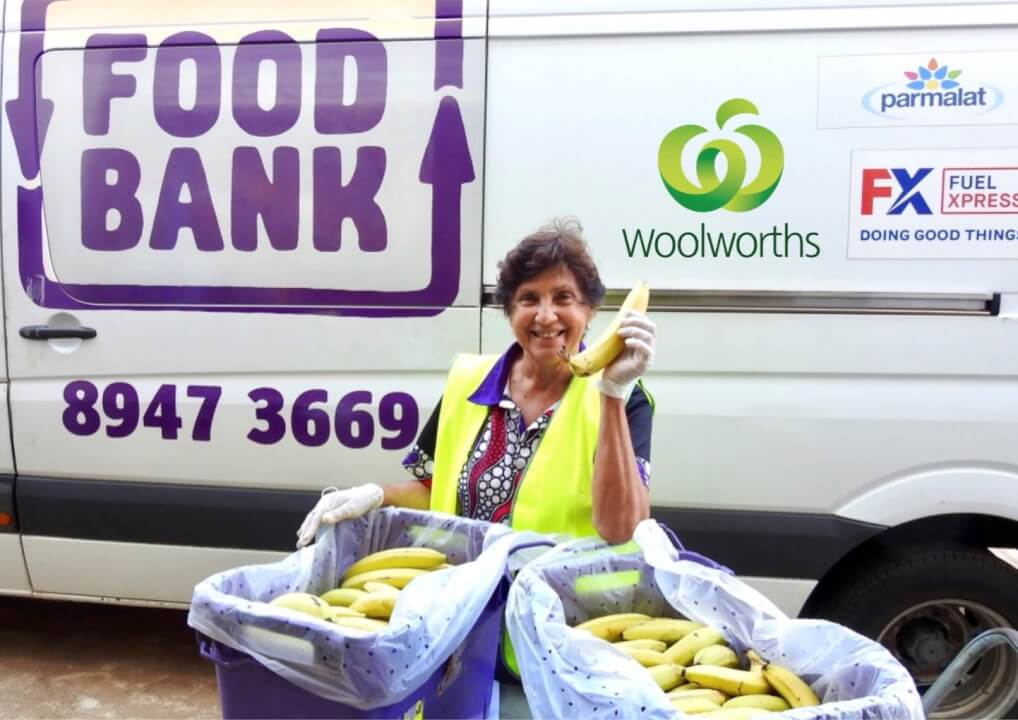
woman holding a banana

FareShare CEO Paul Conroy said: “For over 20 years, FareShare has been using rescued, donated and homegrown ingredients to cook free, nutritious meals for those experiencing hardship. Every donation to the Hunger Appeal tells struggling people that somebody cares.

“When you support FareShare, you are not just feeding someone in need. You are giving them a delicious, ready-to-eat meal which takes the worry out of going hungry and the stress out of cooking. You are making them feel better.”

Foodbank is the largest food relief organisation in Australia, and supplies 70 percent of all food required by the welfare sector. The charity has been a Woolworths partner for 20 years, and currently assists more than one million people a month, with more than 40 percent of these people located in rural areas.

Foodbank Australia CEO, Brianna Casey said: “Across the country we are seeing heightened demand for food relief, especially in the regions, with many seeking help for the first time. Foodbank provides food relief to more than 1 million adults in Australia and it’s thanks to our generous partners such as Woolworths, we can ensure no one goes without.

“Woolworths not only provides Foodbank with key staple foods—the fresh fruit and vegetables that people need—but also helps us transport it to parts of Australia that really need it.

“People living in regional areas are 30 percent more likely to be food insecure than those living in the city*, so the assistance we get to transport food to the parts of Australia that need it the most is essential to us.

“The support of the Hunger Appeal at Woolworths will help families and communities of all ages and in all corners of the country who are going without the basic daily nourishment they need.”

There are three ways Woolworths customers can support the Hunger Relief Appeal:

  • Round Up: If customers spend more than $5 at the self-checkout, they will receive a prompt to ‘round up’ to the nearest dollar, with the difference going to the Appeal.
  • Scan Cards: These printed, handheld cards have a 50c donation barcode that customers can scan.
  • Online: Customers can donate directly via woolworths.com.au on the Community page.

Simplot and Foodbank partnership helping Aussies in need for more than 25 years

six people wearing reflectorized vest

July 2022

After a COVID delay in 2021, Simplot Australia and Foodbank celebrated their 25-year partnership at Simplot’s food manufacturing facility in Echuca.

With more than one in six adults in Australia being food insecure at any one point throughout the year, and 1.2 million children going hungry during the same period, it is an important partnership that aims to address food insecurity in our communities.

Our core business of agriculture and food manufacturing provides quality, sustainable and nourishing food to consumers but what we are doing with Foodbank speaks to what motivates us all as humans. It is about making a difference and supporting people in our community when they need it most.

says Sue Smith, Simplot Australia’s Executive Director of Human Resources and Transformation.

A major feature of the partnership has been Simplot’s involvement in Foodbank’s Collaborative Supply Program. With an increasing demand for food relief in Australia and a focus to reduce waste, Foodbank collaborates with manufacturers and their component suppliers to produce a sustainable source of key staple foods that don’t come in sufficient quantities via normal rescue channels.

CEO of Foodbank Australia, Brianna Casey, visited Simplot to meet and thank the team,

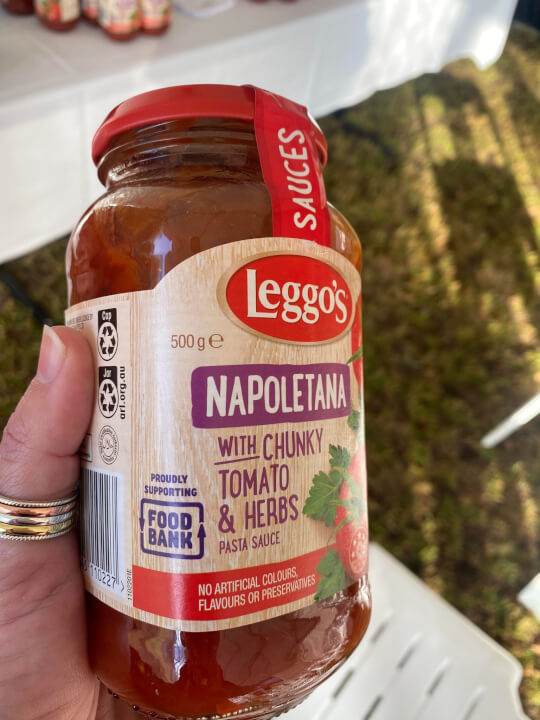
After two and half years of not being able to travel or meet face to face, this has been one event worth waiting for. It has been wonderful to meet the Simplot team who every year produce Leggo’s delicious Napoletana sauce as part of our world-leading Collaborative Supply Program. This program is vital as it ensures our Foodbank warehouses around the country are stocked with staples like pasta sauce and available for the many people doing it tough.


Simplot x Foodbank event_FBA

Since 2011, Simplot has donated more than 2.5 million units of product to the Collaborative Supply Program. This year alone over 300,000 jars of Leggo’s pasta sauce and Chicken Tonight will be provided to Foodbank, which is equivalent to about 1.2 million meals.

Simplot’s Leggo’s Napoletana sauce, which is produced at the Echuca site, now proudly displays the Foodbank logo highlighting to consumers that it is a company that is driven by its purpose of contributing to feeding the world and is steadfast in giving Aussies a helping hand.

Photographed left to right: Dane Smith, Simplot Australia Executive Director Supply Chain, Sue Smith, Simplot Australia Executive Director Human Resources and Transformation, Councillor Paul Jarman Campaspe Shire, Brianna Casey, CEO Foodbank Australia, The Honourable Peter Walsh, Member for Murray Plains and David Maddison, Echuca Plant Manager.

Every $1 will help provide 2 meals

Household basics becoming a luxury instead of a right

15th July 2022,

In the face of relentless cost of living pressures and the housing crisis, more than a million people a month are currently receiving food relief through the Foodbank network. In addition to the healthy fresh fruit, vegetables and pantry staples more commonly associated with Foodbank, the food relief organisation is also increasingly providing period care products, shampoo, conditioner and laundry products. Foodbank’s annual Week of Care shines a spotlight on the importance of these products to people doing it tough right across Australia.


Now in its second year, Foodbank’s Week of Care, which kicks off on Sunday 17th July 2022, celebrates the support of its non-food partners and helps raise awareness of the importance of personal, oral and household care products to ensure those who are struggling have access to products that are needed in every household.


As the cost of living crisis escalates and communities on the east coast face the long road to recovery after yet another significant flood event, Foodbank is experiencing an increase in demand rivalling that experienced at the peak of the COVID-pandemic.


“We’ve seen the cost of fuel, electricity and fresh fruit and vegetables skyrocket, alongside soaring rental and mortgage costs. If you can’t afford food, you certainly can’t afford daily necessities like shampoo, deodorant, period care products and toilet paper. These are much more than just personal hygiene and household care products. They are vital to living a life with dignity and confidence,” said Foodbank Australia CEO, Brianna Casey.


“Toiletries such as toothbrushes and toothpaste, make-up and moisturisers, along with baby essentials like nappies and wipes shouldn’t be a luxury – they are a basic right. For someone who has lost everything in a fire or flood, or for someone escaping family and domestic violence, these everyday items play a significant role for people rebuilding their lives.”


Foodbank would like to thank its national donors and campaign partners, Beiersdorf Australia, GSK, Henkel, the Johnson & Johnson Family of Companies in Australia, Kimberly-Clark Australia, L’Oreal Australia, P&G, PZ Cussons, Reckitt, The Sorbent Paper Company, Unilever ANZ for donating essential personal, oral and household care products year-round, as well as during times of disaster.

Want to know more?