 Log in

280,000 households across South Australia and the Northern Territory face food insecurity

280,000 households across South Australia and the Northern Territory face food insecurity
Almost one in three households affected, with meal skipping and food running out exposing the depth of hardship.
Almost one in three households across South Australia and the Northern Territory — an estimated 280,000 households combined — experienced food insecurity in the past 12 months, according to the Foodbank Hunger Report 2026.
The findings reveal the impact on household meals and budgets: among food-insecure households across SA and the NT, 96% cut the size of meals or skipped them, while 99% worried food would run out before they could afford more.
Foodbank SA & NT CEO Ben Scales said the findings required a sustained local response to help households access enough nutritious food.
“Across South Australia and the Northern Territory, too many households are facing an impossible question: how to cover everyday expenses and still put food on the table,” Mr Scales said.
“Behind these figures are people cutting back on meals, going hungry and worrying about whether the food in their cupboard will last. Food insecurity is not a distant issue — it is affecting households in our own communities.”
Nearly seven in ten food-insecure households across SA and the NT experienced food insecurity for the first time within the past year, highlighting the need for accessible support for people who may never have sought food relief before.
“People who have never needed help before can find themselves unable to afford enough food. We want anyone facing that situation to know they deserve support without judgement,” Mr Scales said.
Cost-of-living pressures leave less for food Among the report’s most alarming findings for SA & NT:
- Almost one-third of SA & NT households (280,000) experienced food insecurity in the last 12 months.
- 92% cited cost-of-living as a top concern over the last 12 months
- 80% cited increased/high living expenses as a contributor to their inability to afford enough food
- 37% cited health/medical costs or illness/disability limiting their ability to work as a contributor to their inability to afford enough food
- 26% cited changes in household/living arrangements as a contributor to their inability to afford enough food
- 70% of households affected by disability or health issues
- 49% of renting households
- 45% of households represented by Australians aged 18-34
- 36% of households with children
- Nearly 7 in 10 food insecure households in SA & NT experienced food insecurity for the first time within the last year
- Food insecurity remained significantly above the national average among First Nations households affecting 57%.
Households are skipping meals and going without food
- 96% of food-insecure households across SA and the NT cut the size of meals or skipped meals altogether.
- 98% ate less than they felt they should.
- 96% could not afford balanced meals.
- 99% worried food would run out before they could afford more.
- 90% were hungry but did not eat because there was not enough money for food.
- 78% ran out of food and could not afford to buy more.
- 48% reported an adult had gone without food for days.
“When households cannot afford balanced meals or adults are going without food, the response has to be practical and sustained. Access to nutritious food with dignity must remain at the centre of our work across South Australia and the Northern Territory,” Mr Scales said.
A call for support
“Everybody needs to play a role in supporting those that are struggling.
We need Governments at all levels, businesses, community partners and donors working alongside us to strengthen food relief across SA and the NT now, while building lasting food security.
No household should have to face hunger alone,” Mr Scales said.
The local findings sit within a national picture of persistent hardship. Across Australia, 3.6 million households experienced food insecurity in the past 12 months — approximately 100,000 more than in 2025.
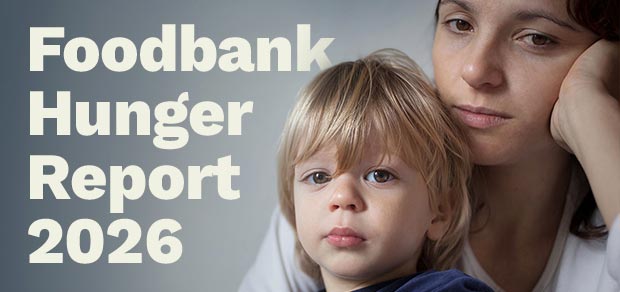
The Foodbank Hunger Report 2026 examines the prevalence, drivers and experiences of food insecurity in Australia. Read the full report at https://reports.foodbank.org.au/foodbank-hunger-report-2026/.