BREAKING NEWS: Latest data shows 44% of Australian households are struggling to put food on the table.  

Media Release

BREAKING NEWS: Latest data shows 44% of Australian households are struggling to put food on the table.  


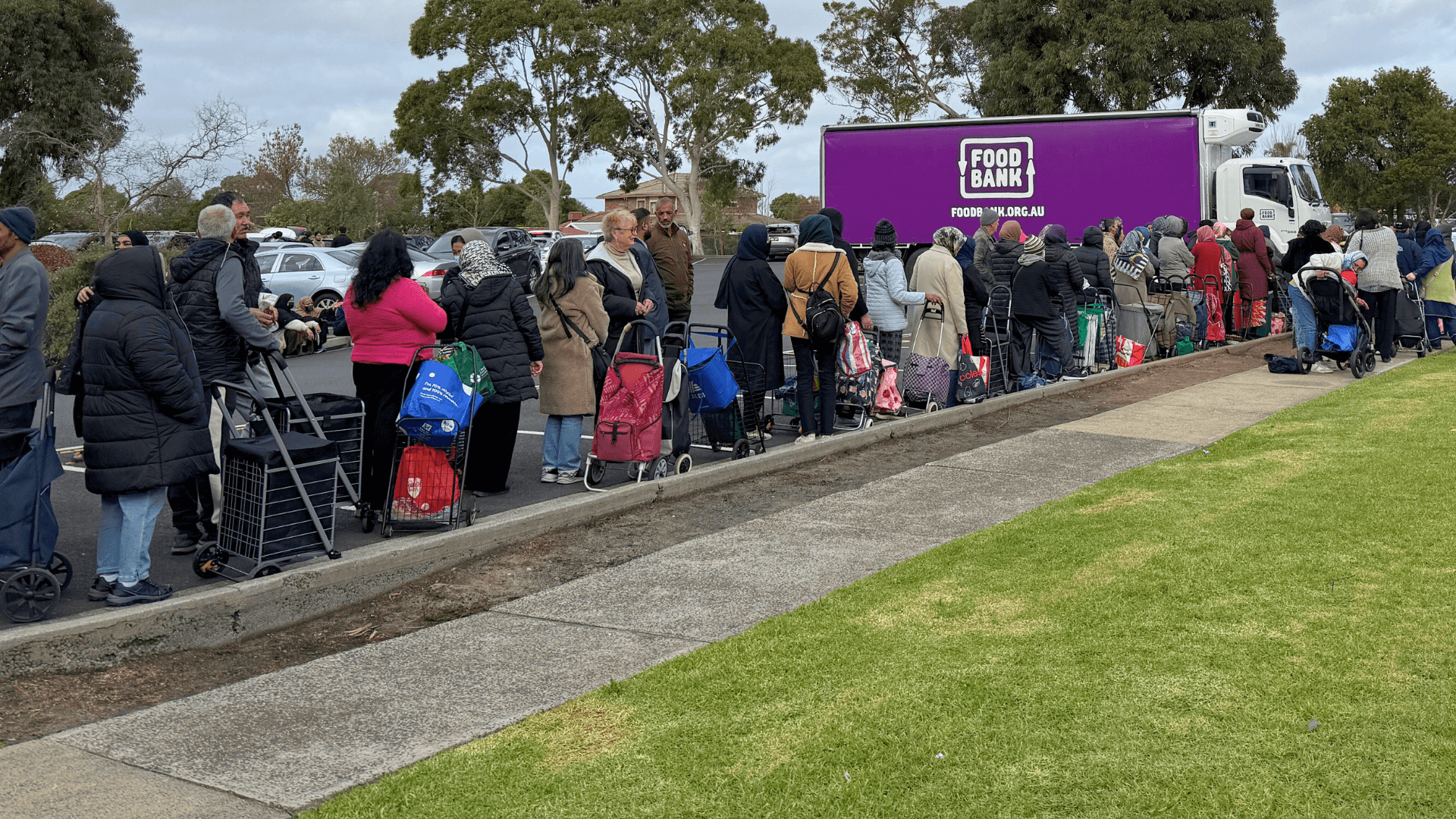
Wednesday 1 April 2026, SYDNEY – Foodbank Australia is warning the escalating fuel crisis is placing the national food relief network under severe strain, just as new data reveals a sharp rise in Australians struggling to afford food.

Released overnight, the latest IPSOS research (March 2026) shows 44% of Australians are finding it harder to put food on the table than last month – the highest level recorded since August 2024.

Alarmingly, of that 44%, 23% say they have been unable to afford the cost of living for a long time, a historic high, with rising rents reportedly continuing to drive hardship.

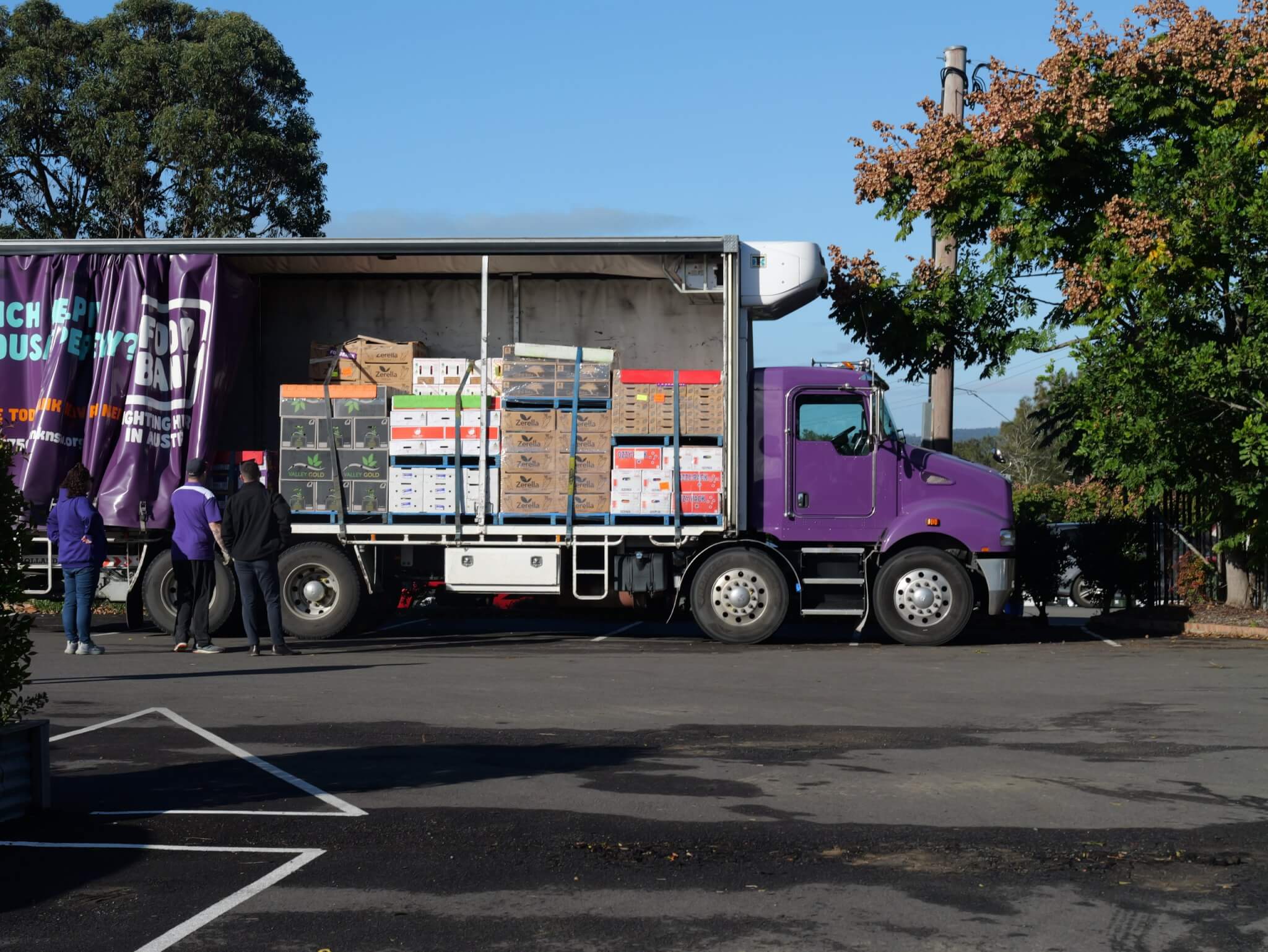
At the same time, soaring fuel costs are impacting every stage of Foodbank’s operations, from transporting food across the country, to families and individuals struggling to access it.

Foodbank Australia CEO, Kylea Tink said the situation is deteriorating rapidly.

“We couldn’t do what we do without the incredibly generous support from the transport and logistics sector. Yet we are now seeing an immediate impact on the space available to move emergency food relief to Australians in need. These partners desperately want to continue supporting us, but they are being squeezed themselves.”

As a not-for-profit, Foodbank relies heavily on pro bono and low bono transport. However, rising fuel costs are forcing some partners to scale back support, while others are understandably introducing fuel levies, adding pressure to an already stretched system where even small cost increases have a significant national impact.

The effects are also being felt on the ground. Many Australians can no longer afford the fuel needed to reach food relief centres. More people are relying on public transport or carpooling, limiting how much food they can take home and forcing difficult decisions about what to leave behind.

Foodbank Australia is calling on the Federal Government to urgently release at least a portion of the $20 million in emergency surge funding earmarked for crises like this.

“We don’t have time to wait. Releasing even a portion of this funding would make an enormous difference.”

Foodbank says this funding would allow it to purchase and transport critical food supplies at scale, ensuring families, pensioners and individuals across Australia can continue to access safe, nutritious food during a period of escalating need. 

Get involved

Food Relief Sector Calls For Urgent Government Support

Media Release

Rate rise to push more Australians to the brink as food relief sector calls for urgent government support


Tuesday 17 March 2026, Sydney & Melbourne: Australia’s leading food relief organisations are calling on the Federal Government to urgently release targeted emergency funding for food relief, following today’s Reserve Bank interest rate increase.

The sector warns that a new wave of cost-of-living pressure will drive more Australians to seek help putting food on the table – at a time when demand is already beyond what the sector can provide.

Recent Ipsos Monitor data shows financial stress is rife across the country, with 42% of households reporting it is becoming harder to afford enough food, and two-thirds of mortgage holders now struggling to keep up with grocery costs.

“This is no longer about temporary belt-tightening – it is becoming dangerously entrenched,” Kylea Tink, CEO of Foodbank Australia, said.

“There is a direct and immediate correlation between interest rate rises and demand for food relief. Every time rates go up, we see more Australians forced to turn to us for help – often for the first time.”

“Layer on top of that the impact of escalating global conflict, which is driving up fuel and transport costs across supply chains, and you have a compounding effect – households are being squeezed at the same time as it becomes more expensive for us to deliver food relief.”

Food relief providers are already experiencing sustained high demand, driven by rising grocery prices, energy costs and housing pressures.

The Ipsos data cements food as the single biggest pressure point in household budgets, ahead of energy and housing costs.

At the same time, the cost of delivering food relief is also increasing – particularly fuel, transport, and logistics – placing additional strain on already stretched services.

“Foodbank is seeing an immediate impact on transport assistance with trucking companies withdrawing pro-bono services or increasing their normal low-bono rates,” added Tink.

“Demand for food relief is the canary in the coal mine when it comes to economic stress. We see the warning signs earlier than most – long before they show up in broader economic data – and right now those signals are flashing red.”

The sector is calling on the Government to:

• Release emergency surge funding urgently to support food relief organisations through the next six months of expected demand growth

• Ensure funding is specifically directed to food relief providers, where demand is most acute

• Remove restrictions limiting funding to Emergency Relief Organisations (EROs) to enable a faster, more effective response across the full food relief network

“No one should be forced to choose between paying the bills and putting food on the table. Food relief is a vital safety net for families under financial stress, and it must be properly funded to meet rising demand,” James Goth, CEO of OzHarvest, said.

Based on current demand trends, rising costs, and expected increases in need following today’s rate rise, the sector estimates that $5 million in targeted food relief funding over the next six months would be required to:

• Meet increased demand from households under financial stress

• Offset rising operational costs, particularly fuel and transport

• Maintain continuity of supply across national food relief networks

According to SecondBite CEO Daniel Moorfield, with global instability and rising fuel costs continuing to flow through supply chains, the outlook for household food affordability is dire.

“Previous emergency funding released over Christmas was welcome, but it no longer reflects the scale of demand facing the food relief sector.

“This is a moment where timely government action can prevent hardship from becoming crisis.”

Get involved

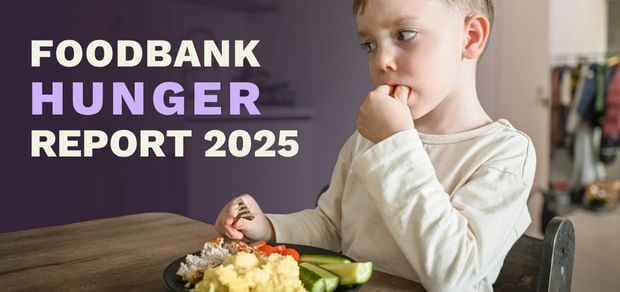
Foodbank Hunger Report 2025 Media Release

Hunger in Australia hits breaking point:
Foodbank calls on Federal Government to act now
to stop Australians going hungry 


Wednesday 5 November 2025 – One in three Australian households, or 3.5 million households, experienced food insecurity in the past 12 months, according to the Foodbank Hunger Report 2025, released today. The report paints a stark picture of widening food insecurity across the nation, debunking the myth that hunger only affects the unemployed or homeless.

“While we dismiss hunger as something that only impacts the most vulnerable in our community, this year’s Foodbank Hunger Report shows households of all stripes, from those that are employed, are renting or have mortgages to those, raising children, or living with disability, neighbours, friends and family we all know – are reporting food insecurity as a fact of life for them.

This is not a fringe issue. Appallingly, hunger is mainstream in Australia right now. Our federal government must act,” said Foodbank Australia CEO, Kylea Tink.

The Foodbank Hunger Report 2025 reveals that cost-of-living pressures remain the number one concern for 91% of food-insecure households, followed by housing and the broader economy. Behind the data are the real stories of families forced to skip meals so children can eat, workers going hungry to pay rising rents, and people living with disability or illness struggling to put food on the table.

Among the report’s most alarming findings:

  • One in two (48%) of all renting households have experienced food insecurity in the past year.
  • Seven in ten (67%) of households that include someone with a disability or health issue have experienced food insecurity in the past 12 months, with three quarters of them in the severe category.
  • Nearly 7 in 10 (68%) single-parent households are now food insecure
  • One in five households earning $91,000 or more experienced food insecurity in the past 12 months.

“Food insecurity doesn’t discriminate,” said Ms Tink. “Australians are doing everything right: working, budgeting, seeking help – yet still going hungry. This is a failure of policy, not people. We need coordinated, national action now.”

Foodbank Australia is urgently calling on the Federal Government to:

  1. Adopt the National Food Donation Tax Incentive: A smart and proven way to make it cost effective and easier for farmers, growers and manufacturers to donate edible, surplus produce to food relief organisations instead of sending it to landfill. A simple, fix that would see good food end up in bellies, not bins.

  2. An immediate cash injection of $5 million in MYEFO to assist with natural disaster preparedness including:
  • Sourcing key staples needed by both first responders and communities affected by natural disasters as quickly as possible. This includes bottled water, long life products, cleaning and household products.
  • Locking in pre-deployment warehouse / distribution locations in areas renown for natural disasters: such as Far North Queensland, Darwin, northern WA – to ensure urgent food relief can be accessed when arterial roadways and train lines are cut off.
  • Locking in transportation for far and wide distribution.

“Food insecurity doesn’t happen in isolation – it’s a combination of a debilitating and incessant cost of living crisis, slow-growing wages struggling, inflationary pressure, unaffordable housing, and an inadequate safety net. Food insecurity can be eradicated, but the Federal Government must step up, lead and take smart action to ensure Australians are not going hungry,” said Ms Tink.

“Right now, it’s cheaper for many food producers to throw away perfectly good food, rather than donate it. This is madness when millions of Australians are going without meals.

A National Food Donation Tax Incentive is a not a radical suggestion, rather, independent modelling shows it would deliver enough food for the equivalent of 100 million meals, save producers and businesses money, and help to halve food waste by 2030.”

With the recently released National Climate Risk Assessment painting a grim picture about the escalating impacts of severe weather events on Australian communities, Foodbank Australia is also urging the government to not only recognise food relief as a critical, ongoing pillar of disaster preparedness but to ensure the funds are supplied to ensure talk turns into action.

“When disaster strikes, Foodbank provides emergency supplies, food, water and cleaning products to impacted communities and first responders. But the need doesn’t end when the flames or floods subside. Economic hardship lingers long after the clean-up, and Foodbank continues working with communities to help people get back on their feet. We need urgent funding to support these communities in the years it takes to rebuild,” said Ms Tink.

In its 13th year, The Foodbank Hunger Report 2025 is the nation’s most comprehensive snapshot of food insecurity, based on a nationally representative survey of Australians.

To read or download the full report go to Foodbank Hunger Report 2025.

Get involved

Foodbank Australia CEO announcement

Kylea Tink to join country’s largest food relief organisation – Foodbank Australia – as their new CEO


30 September 2025, SYDNEY – The Foodbank Australia Board is pleased to welcome Kylea Tink as the new Chief Executive Officer at Foodbank Australia effective 27 October 2025.

Kylea joins Foodbank Australia at a pivotal time for the food relief entity as it sets to pursue an ambitious new commitment to ensure anyone in Australia experiencing the uncertainty of food insecurity – man, woman or child, of any age, cultural or socioeconomic background, has access to the support they need, immediately and reliably.

As the 14th largest economy in the world, it is inconceivable that nearly a third of all Australian households currently report experiencing food insecurity, with Kylea saying, “quite simply, no Australian should go hungry.”

Kylea joins the food relief organisation with an impressive professional track record spanning federal politics, commercial operations and the not-for-profit space. As the former Independent Member for North Sydney, Kylea was the first woman elected to represent the seat which, in March 2025, was abolished by the AEC as part of their boundary redistribution. At the time Kylea announced that, rather than contest another seat, she would retire from politics along with her community.

The former Managing Director for Edelman Australia, Kylea comes to Foodbank equipped with a deep knowledge of the not-for-profit sector having served as the in augural CEO of the McGrath Foundation where she played a pivotal role in conceiving and successfully establishing one of the most iconic sporting events in the world – the Sydney Pink Test. From there as the CEO for Camp Quality she turned her attention to working with those seeking to allow kids facing cancer to just be kids again.

“Over the years I have been fortunate to work with incredibly smart, committed and passionate people and organisations who have pulled together to address fundamentally and completely untenable systemic inequities in our society. The opportunity for me to join Foodbank Australia is a natural extension of that experience as it provides the opportunity to again work with dedicated and brave people to fix what is a wholly fixable issue – hunger.

“No one in Australia should ever have to worry about what they are going to either feed their families or eat themselves and its time we worked to bring that truth to reality.”

“Working together, food insecurity can absolutely be a thing of the past in our society – but it’s going to take all of us; everyday Australians, business leaders and governments at all levels to say enough is enough. We will not tolerate or accept hunger in Australia.”

“Whether it be supporting First Nations communities, preparing for and responding to disasters, ensuring children are not going without food, or reducing food loss and waste,

Foodbank is changing lives all over Australia, and I’m looking forward to leading the organisation through a period of transformational change”.

Based on data gathered through the annual Foodbank Hunger Report and ground-breaking Foodbank Hunger Map, Foodbank Australia has calculated that around $100m per year is required to secure the food, funds and logistical support needed to ensure every person seeking food relief has access to it.

Foodbank Australia Chair, Duncan Makeig believes the ambition of the organisation’s new strategy, at a time of challenging economic pressures, called for a particular type of leader to join the organisation.

“I’m looking forward to working with Kylea as we all turn our full attention to solving this challenge once and for all. Kylea’s appointment comes as the organisation embarks on a bold and ambitious strategy of raising more than $100million per year to support the national distribution of at least 120million kilograms of nutritionally and culturally appropriate food relief annually.

“In this capacity, Kylea’s vision, energy and leadership are going to be crucial in building Foodbank’s continued success as Australia’s most trusted food relief organisation, driving systemic change and overseeing the growth of our flagship programs: Feeding Australian Kids, Supporting First Nations People, Foodbank in the Regions, Ensuring Emergency Preparedness and Response, Fuelling Healthy Eating and Fighting Food Loss and Waste.”

In closing Kylea offered the following: “This is no small target strategy and I cannot wait to throw my experience into the mix to help reshape our Australian reality.”

Kylea replaces outgoing CEO, Brianna Casey AM, who announced her resignation in July after steering the organisation through the 2020 Black Summer Bushfires, COVID-19, supply chain disruption and the cost-of-living crisis.

Mr Makeig paid tribute to the impact Brianna has had on the organisation: “I have thoroughly enjoyed working with Brianna who I have found to be a leader of great energy, insight and enormous compassion in everything she does. Brianna leaves behind a legacy of creating and building invaluable networks and relationships across the social services sector, food and grocery industry and government”.

Get involved

Everyone deserves dignity

Week of Care

Shining a light on essentials

From July 14 to 20, Week of Care highlights the everyday items many of us take for granted — and the difference they make for people doing it tough. When money is tight, household and personal care items are often the first to go.

Why it matters

Millions of Australians are struggling to put food on the table, with some skipping meals or going whole days without eating. The rising cost of living means more people are turning to food relief, and they’re needing support more often.


At Foodbank, we believe everyone should have access to good food and the dignity that comes with essential personal and household items.

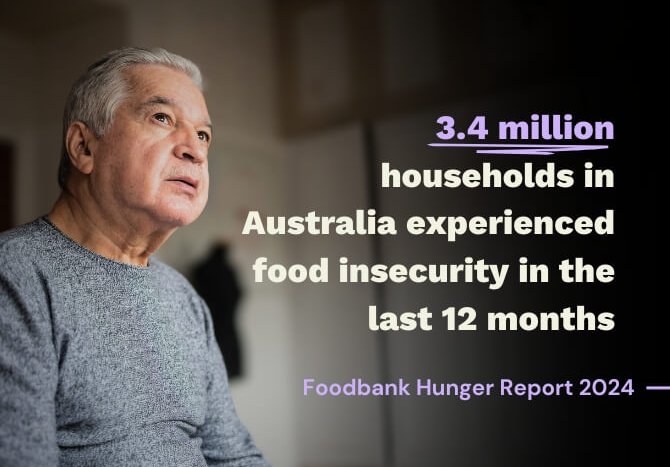
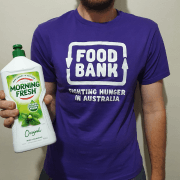
Image of man in kitchen with text overlayed saying 3.4 million households in Australia are food insecure

Everyday items that make a difference


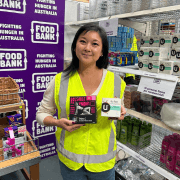
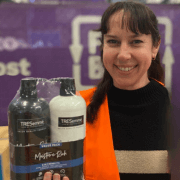
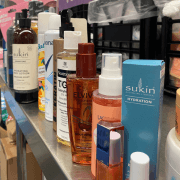
Things like toothbrushes and toothpaste, period products, makeup, moisturiser, nappies and baby wipes shouldn’t be a luxury — they’re basic essentials. For someone who has lost everything in a fire or flood, or is escaping domestic violence, these everyday items can make all the difference in helping them feel clean, cared for and ready to face the day.


That’s what Week of Care is all about — raising awareness of the growing need for personal and household care items, and the real impact they have on people’s lives.


The need is real and growing

The toiletries that are available mean I can treat myself to something that I would not have the financial means to do so at this time and knowing the fact these items are donated makes it even more special.

– Foodbank SA & NT client

    • Of the 3.4 million households experiencing food insecurity, almost half expressed a growing need for personal and household care products from charities and community groups.
    • For families with children, the struggle is even greater. More than half (51%) of food insecure households with kids asked for personal care while close to half asked for cleaning items.
    • The need for period care also remains high, with 26% of food-insecure households seeking access to these essential items.

What was donated to Foodbank last year

Thanks to the incredible generosity of our partners, more than 1.8 million kilograms of non-food essentials were donated to Foodbank last year. That’s a huge volume of everyday items. All sorted, packed and delivered to people doing it tough right across the country

We’ve highlighted some items we love below.
We hear stories of people rationing pads or using socks or toilet paper to get by. For some, that idea seems unimaginable, yet it’s a harsh reality with severe and hidden consequences that many people across the country face. Period care is a necessity. It helps protect dignity, health and confidence — no one should feel ashamed because they can’t afford it. By making access easier, we can help people feel seen, supported and ready to keep going. “It’s just been a lifesaver to come to a place like this. I just appreciate it so much, it’s been a saviour… I am a strong woman and against all odds, I am always going to find a way to keep going.”
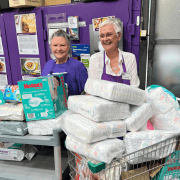
Every baby deserves to be clean, comfortable and cared for so they can thrive. Items like nappies and baby wash are essential for families doing it tough. These products support a child’s health and give parents peace of mind. For parents like Melonie*, having access to baby care essentials brings both relief and dignity. “I’m a single mother on disability having epilepsy. Foodbank means a lot to me and my family. It means we can eat quality food and have baby supplies etc.”
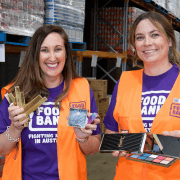
You might not expect us to provide makeup. But for many, it’s more than just appearance. Makeup supports self-care, confidence and a sense of normalcy. For some women, it helps conceal DV bruises or feel ready for work. Access to makeup can offer comfort, control and dignity in tough times. “I have a young son and a mortgage. I was getting bills and debt faster than I could pay. But thanks to Foodbank I was able to feed myself and my son nutritious food with all the staples plus treats and toiletries.”
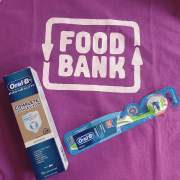
Taking care of oral health is crucial for overall well-being, from confidence to the ability to eat comfortably. Many of us understand the pain of oral issues and the expense of dental visits, which is why oral care is a daily priority. Unfortunately, for individuals and families like Keith* who struggle to afford food, access to essential grocery items like toothbrushes and toothpaste can be limited. “The toiletries that are available mean I can treat myself to something that I would not have the financial means to do so at this time and knowing the fact these items are donated makes it even more special.”
While cleaning the house or washing dishes may seem like mundane tasks, they are the building blocks of a happy home. They are the first lessons we teach our children, often accompanied by memories of soap suds fights with siblings or lively post-dinner chats. Clean spaces not only promote physical wellbeing but also contribute to our mental and emotional health, making them more than just chores. “Some weeks I don’t have much or sometimes nothing at all to eat or can’t afford cleaning products or self cleansing products. But I can get most general products from Foodbank.”
We can all agree how good it feels to have freshly washed hair. But for many Aussies, essentials like shampoo and conditioner are out of reach. These products are about more than hygiene — they help restore dignity, confidence and a sense of normal. This matters even more when there are children in the household. “I could not afford many items on my shopping list. Meat, fruit and vegetables were always a concern, carefully budgeted. Biscuits and treats were rare as well as many personal items. To discover Foodbank locally is such truly a Godsend. I have never been so content and eaten so well, a big thank you.”
Imagine the worry of not knowing if you can find toilet paper. For many of us, it was a brief experience during the panic buying of the pandemic. But for people struggling right now, this can be a daily stress: “Can I afford toilet paper this week?” “Trying to maintain a house on just a disability pension is difficult and with rising costs, it’s made life just a little bit easier having Foodbank as a backup to get the essentials.”
When budgets are tight, self-care products often get cut from the shopping list. Moisturisers, cleansers, and other products are not luxuries—they are essential for many men, women, teenagers, and children facing tough times. Everyone deserves healthy skin. It impacts confidence and can significantly affect those already struggling to pay the bills. That’s why we partner with companies to ensure a regular supply of products for our charities to offer their communities. “I am a pensioner and renting. I have little left out of my pension for food and personal things. I am so glad I found out about Foodbank. It has helped me so much and I thank you very much.”

THANK YOU

In times of natural disaster, emergency, or just everyday hardship, our personal and household care partners are always ready to lend a hand. We are so grateful for their ongoing support in helping make sure Australians everywhere have access to the essentials they need.

Get involved

Max Gawn calling on Aussies to help provide three million meals to families facing winter hunger

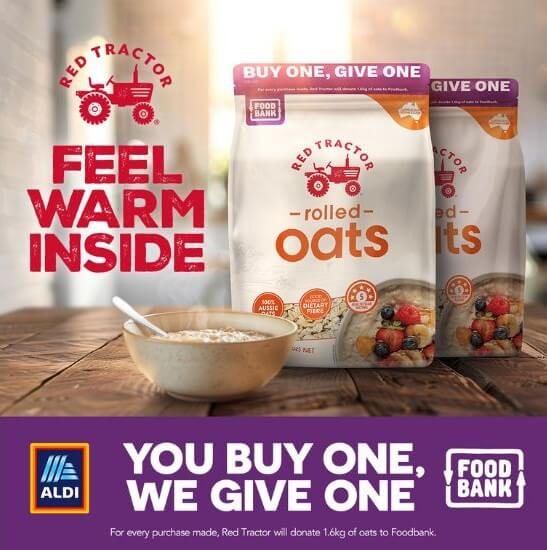
With winter hitting hard and food costs soaring, AFL superstar Max Gawn is challenging Australians to help deliver three million* breakfasts to families doing it tough through Red Tractor, ALDI Australia and Foodbank’s ‘Buy One, Give One’ campaign.

From Wednesday, 2 July, every 1.6kg bag of Red Tractor oats purchased at ALDI stores across the country will see 1.6kg of oats donated to Foodbank when the product will be available as a Special Buy, with each donated pack of oats providing up to 40 meals for families in need.

Supporting the campaign is AFL superstar and Melbourne FC Captain Max Gawn, who kicked off the initiative at Foodbank’s distribution centre in Yarraville, Victoria.

“As an athlete, I know how important a good brekkie is to set you up for the day. But millions of Aussies are going without that basic start. When you grab your Red Tractor oats during this campaign, you’re not just feeding your family, you’re feeding another family too. It’s such a simple way to make a huge impact for Aussies doing it tough this winter,” said Gawn.

*3 million breakfasts are calculated using the 40g serving size of the 1.6kg product

Red Tractor and ALDI’s partnership with Foodbank comes at a pivotal time for Australians in need.

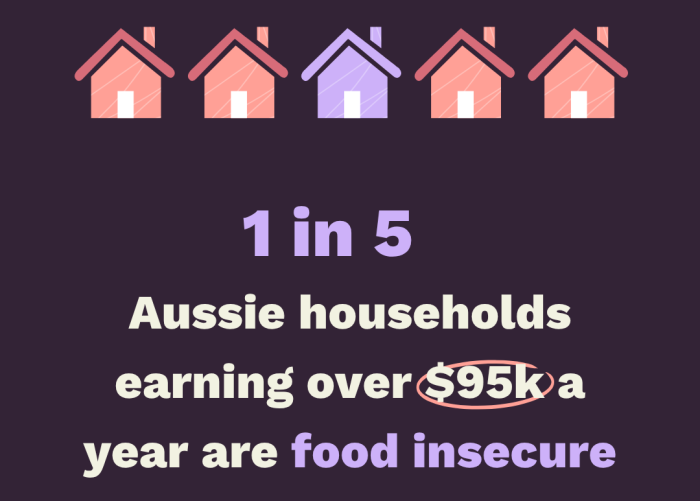
Foodbank’s Hunger Report 2024 highlights that low-income households are at a breaking point. One in five median income households (earning >$95K per year) are food insecure and more than half (59%) of all food insecure households in Australia are experiencing it at the severe level, regularly skipping meals or going entire days without food.

Red Tractor CEO Andrew Loader said, “Every day we see Australians choosing between heating and eating. This winter, we’re not just asking people to buy oats, we’re asking them to be part of the solution.”

“As a proud Australian brand, we see this as our responsibility. Every bag purchased doesn’t just support Australian farmers, it directly feeds families who otherwise might go without.”

Red Tractor’s ‘Buy One, Give One’ campaign and partnership with ALDI is in its second year, with last year’s campaign saw three million meals donated through Foodbank’s community programs. This year’s campaign aims to deliver even greater impact across the campaign period.

Foodbank Australia CEO, Brianna Casey AM, said, “We believe everyone deserves to have access to good food and there is nothing more satisfying on a cold winter’s morning than a warm bowl of oats to start the day. We are incredibly thankful to Red Tractor and ALDI for the generous support they provide Foodbank with this much-needed donation of delicious, nutritious Australian grown oats.”

ALDI Australia Buying Director of Breakfast products, Daniel Quinlan, said the company looks forward to continuing this partnership with Red Tractor and Foodbank.

“At ALDI, we’re proud to partner with Red Tractor and Foodbank on this meaningful initiative that supports Aussie families doing it tough this winter,” said Mr Quinlan.

“The ‘Buy One, Give One’ campaign is a simple yet powerful way to make a Good Difference, and we’re grateful to be part of a program that delivers real impact to local communities.”

THANK YOU, Red Tractor & ALDI

Help feed Tasmanians in need

Quest Apartment hotels and Foodbank logo

With your help, we can help put food on the table for people struggling.

Food insecurity anywhere is heartbreaking, and the growing situation in Tasmania is no different. Sadly, our research shows that 25% of adults in Tasmania experience severe food insecurity, which means they ran out of food because of financial limitations and, at worst, went entire days without eating.


“I was paying all expenses for my son, his partner and children after they were hit by unemployment and losing their rental, but I was using up my reverse mortgage which was supposed to cover essential repairs and last me for a couple of years. We decided that the adults eat less so that the children weren’t affected. We are having one meal a day.”

Foodbank Hunger Report 2024

Donate today

Every $1 donated = 2 meals created

Quest Apartment hotels and Foodbank logo

Quest helping families in Western Australia going without

In the past year, over 370,000 WA households struggled to afford food. Nearly 200,000 of them faced severe hunger—skipping meals, cutting portions, or going without food for days.

No one should have to live like this. Your donation can make a real difference. Give today and help put food on the table for WA families in need.

“The current cost of living has severely impacted me as a single mother who works full time but does not receive any child support from my former partner.


One income only is no longer affordable since Covid for a single-parent family to live off with the increased fuel, energy, insurance, rent, food and daily cost of living expenses. I often go without food and necessities to make sure my children don’t go without.”


Foodbank Hunger Report 2024

For every $1 donated, 2 meals are created.

Quest Apartment hotels and Foodbank logo

Quest & Foodbank working together to stop hunger in SA & NT

Food shouldn’t be a luxury, but for many, it is.

Over 294,000 households went hungry across SA & NT in the past year. That’s more than one-third of households who, at some stage, did not know where their next meal was coming from.

Without help, many will continue to go without. Your donation can change that. Please give today and help put food on the table for families in need.

Foodbank of South Australia is endorsed as a Deductible Gift Recipient (DGR), donations of $2 or more are Tax Deductible

“The rise in cost of living has meant that everything has gone up dramatically, however, my pay has stayed the same. I have not been able to afford most things… I feel like I’ve failed as a parent because we are really struggling.”

–Foodbank Hunger Report 2024

Yes! I will help families in need

Help us feed people in need

Food shouldn’t be a luxury, but for many, it is.

Sadly, 3.4 million Australian households are struggling to put food on the table as the rising cost of living takes its toll. More people than ever are turning to charities for help—many for the first time.

Every $1 donated = 2 meals created

Select a state to make your donation


NSW & ACT    QLD
    
WA    SA & NT
   
TASVIC


Why support Foodbank?

We believe everyone should have access to good food no matter their situation.

In Australia, we provide food and grocery relief to 2,929 front-line charities and 3,220 school breakfast programs to help feed people in need. Last year alone, we sourced enough food for 92 million meals.

Despite our best efforts, we simply can’t keep up.

Quest and Foodbank Partnership

At Quest Apartment Hotels, one of the core values of our Doing Better initiative is extending our culture of care and hospitality to the communities within which we operate.

Quest Apartment Hotels are owned and operated by local business owners who are committed to making a meaningful contribution to their communities. That’s why Quest – alongside our parent company, The Ascott Limited, Australia – is launching a three-year national partnership with Foodbank Australia, the country’s largest hunger relief charity, whose mission is to create long-lasting change by ending hunger.

“At The Ascott Limited, Australia, we believe that thriving communities are key to our success, which is why we continue to invest in partnership initiatives that have a real impact on the wellbeing of everyday Australians,” says Managing Director, David Mansfield.