Log in
Best-before and Use-by dates: What’s the difference?
Understanding the difference between best-before and use-by dates on food packaging is crucial for ensuring food safety and quality.
These dates provide important information about the shelf life of food products and how long they can be consumed safely. Food suppliers are responsible for deciding, for their product, whether that date mark is a use-by or best-before, and there is a big difference.
Use-by or expiry dates are found on perishable items such as dairy products, meat and ready-to-eat salads. This date indicates the last day the product can be safely consumed. After the use-by date, the food may pose a health risk due to the potential growth of harmful bacteria. It’s important to follow these dates strictly to avoid foodborne illnesses. For example, milk or yogurt should be consumed by the use-by date to ensure it is safe to consume.
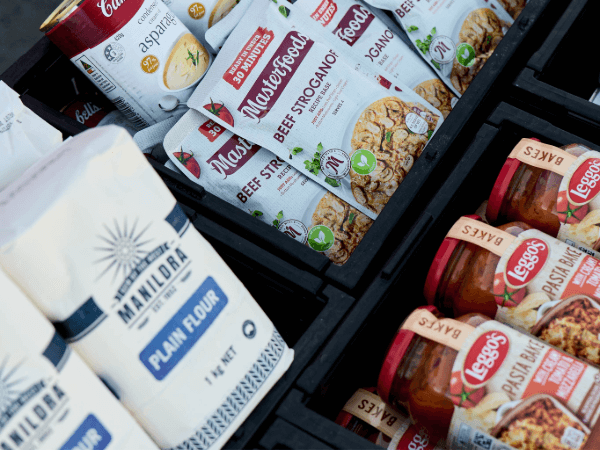
Best-before dates, on the other hand, are found on a wide range of packaged foods, including canned goods, pasta and snacks. This date refers to the period during which the food will be at its best quality in terms of taste, texture and nutritional value. Unlike use-by dates, best before dates are about quality rather than safety. Foods can still be consumed after the best before date, but they may not taste as good or have the same texture. For instance, a packet of biscuits might be a bit stale after the best before date and the nutritional content a little lower, but it is still safe to eat.
The primary difference between use-by and best-before dates lies in their implications for food safety and quality. Use-by dates are about safety, indicating when a product should no longer be consumed to avoid health risks. Best-before dates are about quality, suggesting when a product will start to lose its optimal taste and texture but can still be consumed safely.
At Foodbank we follow very strict guidelines around foods which have both use-by and best-before dates. Any product with a use-by date cannot be frozen and therefore have its life extended for any reason at all. Foods past their use-by date are generally unsafe to eat and cannot be legally sold even if frozen before that date but consumers can freeze prior to that date.
Some key points to consider when freezing foods at home are:
- Food must be frozen before it reaches its use-by date – we recommend to label your food with the date you placed it in the freezer
- Freeze the food as quickly as possible to maintain its quality.
- Store food in a freezer that is set to or below -18∘.
- You can freeze most foods, including raw and cooked meats, seafood and meals.
Don’t freeze foods past their use-by date as they are generally unsafe to eat and cannot be legally sold.
Important considerations include that freezing stops bacterial growth but does not kill harmful bacteria, which will resume growth once the food is thawed, and food should always be thawed and reheated safely, following recommended guidelines.
Understanding the difference between use-by and best before dates helps in making informed food choices. Foods that have passed their best before date are still safe to eat and do not need to be thrown away, as this date relates to quality rather than safety. Always adhere to use-by dates to ensure safety. By using best before dates as a quality guide and use-by dates as a safety rule, we can enjoy food safely while reducing unnecessary food waste.
Latest news
Sharing our passion for nutrition across borders
Find out more
Tip Top’s the one!
Find out more
A special visit to Foodbank Bunbury
Find out more
Celebrating Harmony Week
Find out more
Our partnership with The Great Unwaste campaign
Find out moreMeet our nom! Children team
Find out more