 Log in

Staying food safe in the summer heat
With temperatures climbing throughout summer, keeping food safe becomes especially important.
Hot weather allows bacteria to grow quickly, which means food can spoil much faster than usual. For families working hard to stretch groceries and make the most of every meal, preventing food waste is not just good for our health; it also saves money and helps reduce the amount of food ending up in landfill.
Perishable foods like meat, dairy, cooked meals and fresh produce should be refrigerated as soon as you return home. If you are collecting food hampers or shopping on a hot day, bringing along a cooler bag, lunch cooler or insulated backpack can help protect your food in transit. Don’t worry if you don’t have freezer blocks. Frozen bottles of water or even a bag of frozen veggies will work just as well to keep your shopping cool on the way home.
A handy guide is the “2-hour, 4-hour rule”:
- Food kept out at room temp for less than 2 hours is safe to eat and/or store for eating later.
- Food left out for more than 2 hours but less than four is safe to eat now, but shouldn’t be stored to eat another time (the increased bacteria in the food shouldn’t be given more time to grow to unsafe levels to be eaten on another occasion).
- Food left out at room temp for more than 4 hours is unsafe to eat and should be avoided.
- Room temperature is in the “temperature danger zone” of between 5-60*C, where bacteria thrive and multiply quickly and so food left out in the “danger zone” can actually cause food poisoning and make us ill.
- During summer the general heat means it might take less time than 2/4hours.
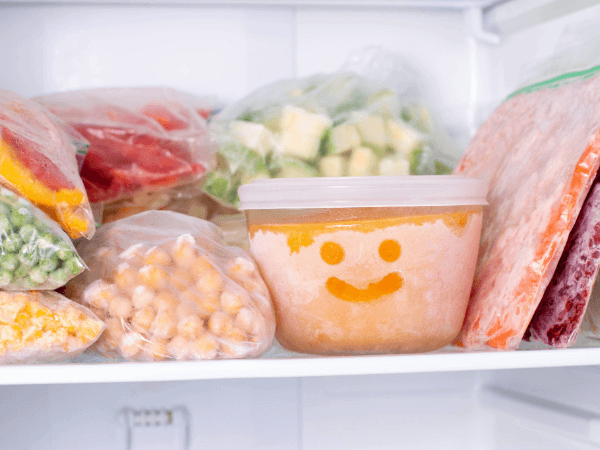
Another great tip is to keep your fridge temperature below 5°C. If your fridge struggles in the heat, try storing bottles of cold water inside to help stabilise the temperature. Also avoid overpacking, cold air needs room to circulate. In the freezer, keeping it full actually helps it stay colder and run more efficiently.
Leftovers are great for saving money and time, but please remember they must be cooled safely. Divide large meals (such as rice dishes or pasta) into smaller shallow containers so they cool down faster. Place them in the fridge once the steam has gone, not hours later.
In summer, smaller, more frequent shopping trips (if possible) can reduce the pressure on fridge space and help avoid spoilage. If you have access to a phone or computer, technology can help too; setting reminders to check fridge temperatures, planning meals around what needs to be used soon, or looking up safe storage tips is easier than ever.
By taking small steps to store and handle food safely, we can help keep our families healthy, make our groceries go further and reduce unnecessary waste, especially during the hottest months of the year. Staying food aware is a simple way to care for our households, our wallets and the environment.
Latest news
A full pantry and a lighter load –
Find out more
Sharing our passion for nutrition across borders
Find out more
Tip Top’s the one!
Find out more
A special visit to Foodbank Bunbury
Find out more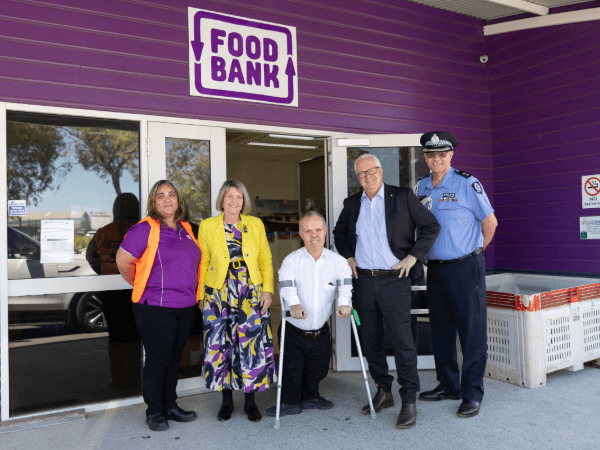
Celebrating Harmony Week
Find out more
Our partnership with The Great Unwaste campaign
Find out more