Log in

When housing eats the grocery budget
Right now, the housing crunch is landing squarely on the dinner table.
Across Australia, rents have risen 2.5 times faster than wages in the past five years, pushing rental affordability to a record low. In WA, the gap is even wider. Average rents are up 66% in five years, while wages rose about a third of that.
For many households, the food budget is what gets cut first.
At the same time, everyday costs have shifted against families. To December 2025, the largest contributors to inflation were housing (+5.5%) and food and non-alcoholic beverages (+3.4%) – the two essentials with the fewest “cutback” options. It’s no surprise we’re meeting more people who’ve never sought help before, including working parents and single parent families.
The numbers behind the stories are stark. The Hunger Report 2025 shows 1 in 3 households experienced food insecurity in the past year, with nearly 1 in 2 renters affected. In WA, a tight rental market has repeatedly recorded vacancy rates around 0.7%, and community snapshots placed the median rent near $680 per week through 2025 – conditions that leave very little for groceries after housing and utilities are paid.
What we’re seeing at Foodbank WA
Last financial year, we provided 9.3 million meals across Western Australia. That scale tells us demand is no longer just seasonal – it’s persistent. Families tell us the same story in different words: pay rent first, then work out what meals we can skip. Stigma remains a real barrier, and many arrive later and hungrier because they worry about being judged. We’re countering that with choice based, trauma informed services designed to protect dignity and make it easier to ask for help.
Classrooms on the frontline
Teachers are seeing more students arrive hungry, tired and unable to concentrate. In recognition of the positive impact of breakfast on readiness for learning, the State Government is supporting Foodbank to expand the School Breakfast Program to more schools.
Where you come in
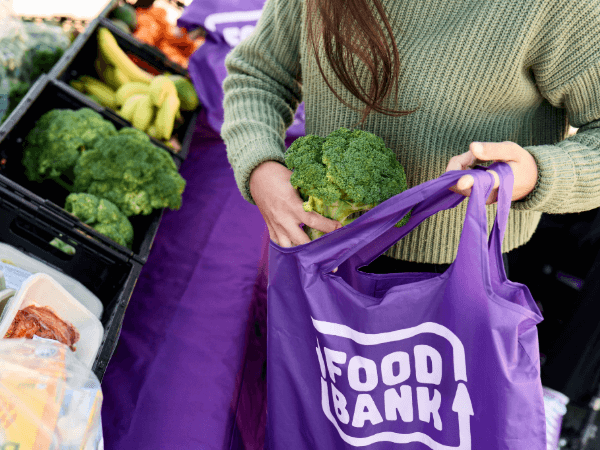
Your donations turn into fresh fruit and pantry staples for families weighing impossible choices. They put food on the table for families. And they help us stretch every kilogram of food we rescue, because supply is tight and demand is high.
What helps most right now?
- Regular Giving – a regular monthly contribution will help us we can plan our food purchases.
- Workplace Support – group volunteering, workplace giving or logistics/financial partnerships to move food where it’s needed most
- Your Voice – share this update to normalise help seeking and reduce stigma
Bottom line: Until housing pressures ease, hunger will keep rising in the mainstream, not just at the margins. With your help, we can make sure no West Australian has to choose between rent and food this week.
Sources: ABC News (rents vs wages), ABS CPI (Dec 2025), Foodbank Hunger Report 2025, SQM/AdviserVoice (vacancy), Anglicare WA (rent snapshot), WA Government (School Breakfast Program). [abc.net.au], [abs.gov.au], [reports.fo…ank.org.au], [adviservoice.com.au], [anglicarewa.org.au], [wa.gov.au]
Latest news
Foodbank Dalyellup branch nears completion
Find out more
Nutrition education returns to Laverton
Find out more
Food rescue partnerships making a bigger impact
Find out more
Park for a Purpose helps drive lasting change
Find out more
A gift of hope: A bequest to Foodbank
Find out more
Renewed VGW partnership strengthens Mobile Foodbank
Find out more