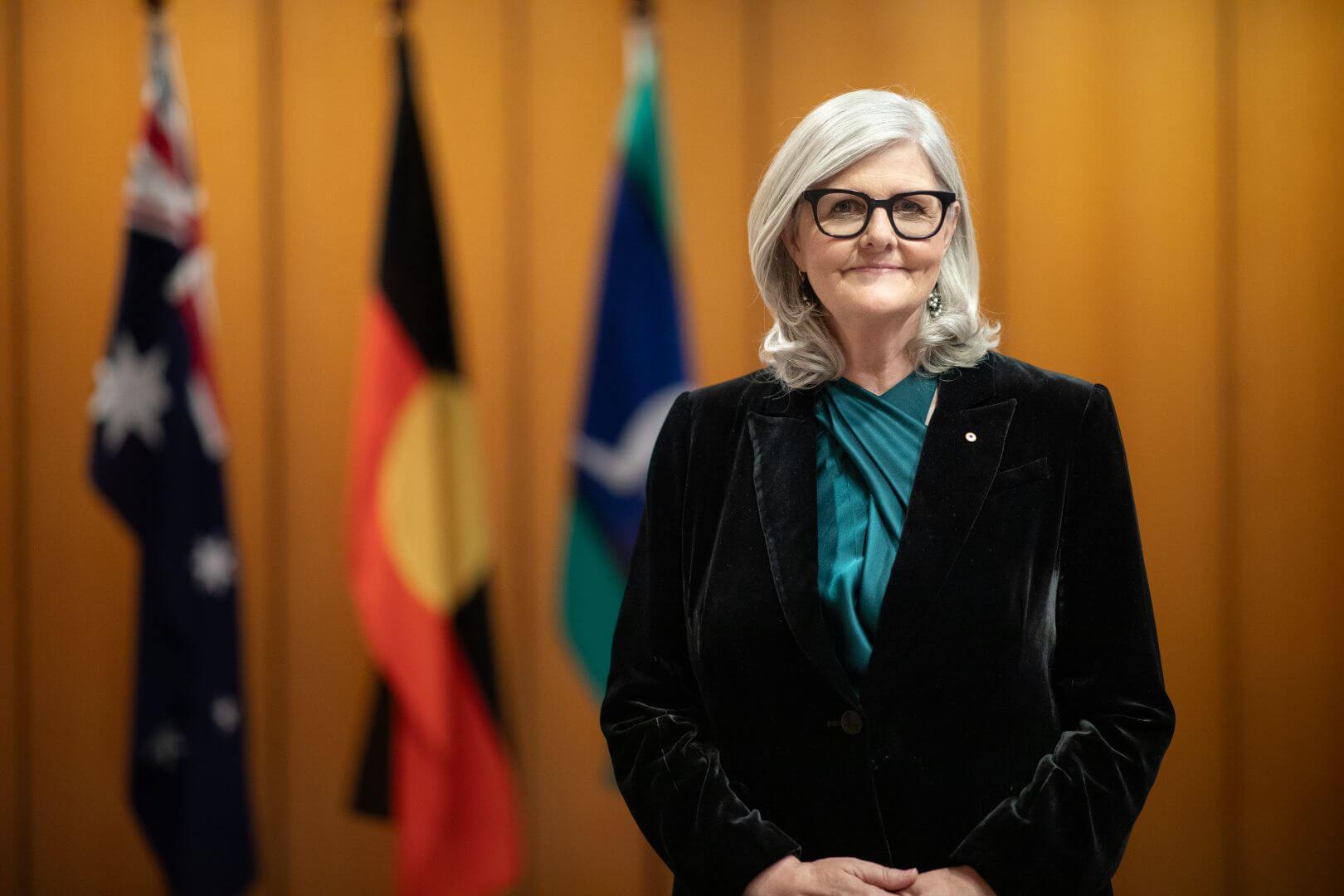
Her Excellency, the Hon Ms Sam Mostyn AC, Governor-General of Australia, appointed as Patron of Foodbank Australia

Media Release

Web banner Jan 2026

Her Excellency, the Hon Ms Sam Mostyn AC, Governor-General of Australia, appointed as Patron of Foodbank Australia


Thursday 3 September 2026, SYDNEY – Foodbank Australia is proud to announce that Her Excellency, the Hon Sam Mostyn AC, Governor-General of Australia, has been appointed as Patron of Foodbank Australia.

As one of Australia’s largest food relief organisations, Foodbank works to ensure that no Australian goes hungry. Her Excellency’s appointment reflects her longstanding commitment to building a fair and equitable Australia, and her deep concern for the growing number of Australians who face food insecurity.

Duncan Makeig, Chair of Foodbank Australia, said the appointment of the Governor-General as Patron was significant for the organisation and for the millions of Australians it serves.

“We are honoured to welcome Her Excellency as Patron of Foodbank Australia. Food insecurity is one of the most pressing social challenges facing our nation with one in three Australian households experiencing food insecurity in the past year. Having the Governor-General stand alongside us as Patron sends a powerful signal that hunger is not acceptable in a country as prosperous as ours, and that we must do more to address it.”

Kylea Tink, Chief Executive Officer of Foodbank Australia, said Her Excellency’s appointment would strengthen Foodbank’s mission to reach more Australians in need.

“Her Excellency has dedicated her life to championing fairness, inclusion and opportunity for all Australians. Those values sit at the heart of everything Foodbank does. We look forward to working with the Governor-General to increase awareness of food insecurity across the country and to inspire more Australians – from individuals to businesses to government, to be part of the solution.”

The Governor-General said she was proud and honoured to take on the role of Patron and to support Foodbank’s vital work.

“Access to good food is fundamental. No Australian should have to worry about where their next meal is coming from. Foodbank Australia and the extraordinary network of volunteers, charities and organisations it supports, are making a real difference in their care for communities right across the country. I am proud to stand with them as Patron and to help amplify their important work.”

Ends 

Get involved

Foodbank Australia – Welcomes Chef Matthew Butcher as National Ambassador 

Media Release

Web banner Jan 2026

Foodbank Australia – Welcomes Chef Matthew Butcher as National Ambassador 


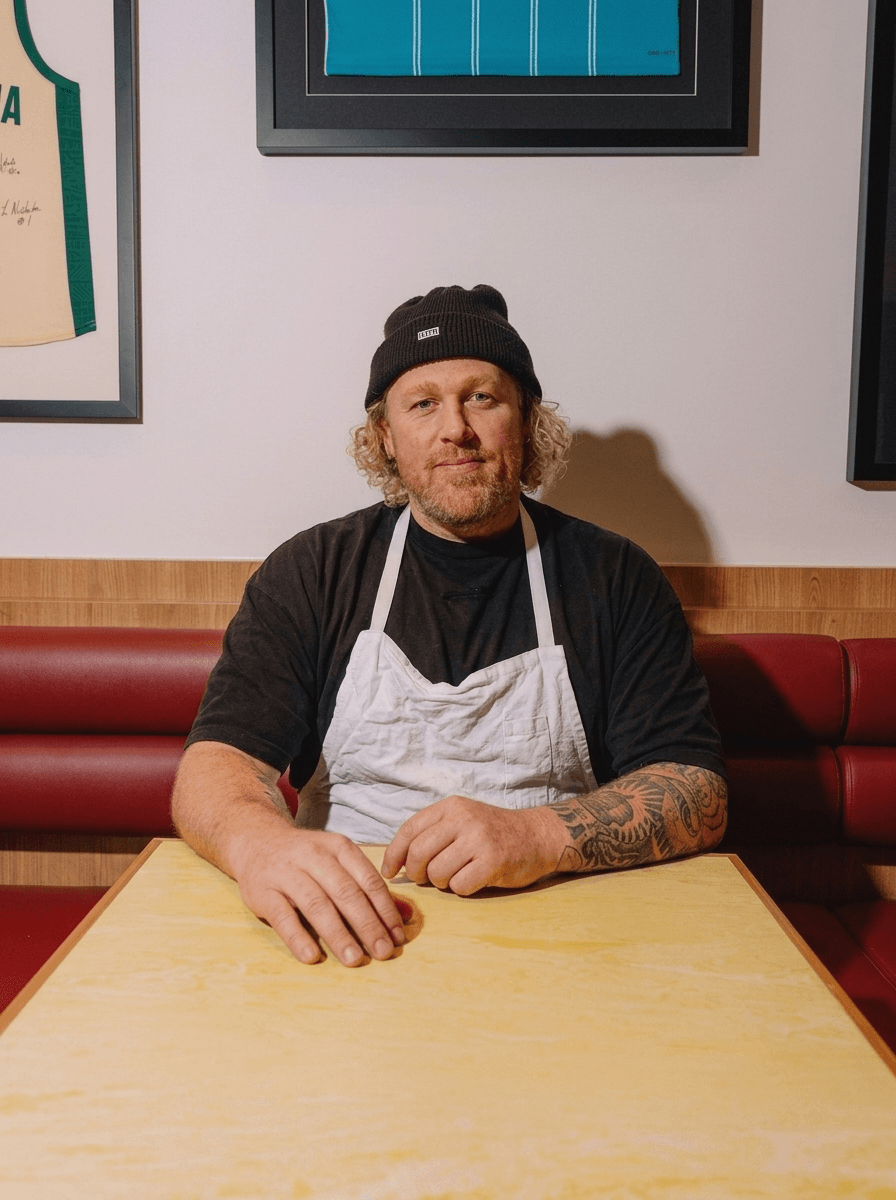
Friday 28 August 2026, SYDNEY – Foodbank Australia is proud to announce the appointment of acclaimed chef Matthew Butcher as an official ambassador, strengthening the organisation’s mission to ensure all Australians have access to the food they need. 

As Australia’s largest food relief charity, Foodbank provides food and groceries through a network of frontline charity partners, direct channels and schools across the country to ensure that no Australian goes hungry . Matthew’s passion for food, community and repurposing food makes him a natural advocate for the organisation’s work. 

In his role as ambassador, Matthew will help raise awareness of food insecurity in Australia, support community engagement initiatives and champion Foodbank’s efforts to rescue and redistribute food to people doing it tough. 

Foodbank Australia Chief Executive Officer, Kylea Tink, said Matthew’s appointment comes at a critical time, with more Australians seeking support to put food on the table. 

“We are delighted to welcome Matthew Butcher to the Foodbank Australia family at a time when one in three households are experiencing food insecurity,” Ms Tink said. 

“Matthew understands the power of food in bringing people together and the importance of ensuring everyone has access to nutritious meals. His genuine commitment to helping others will play an important role in raising awareness of food insecurity and inspiring support for our mission.” 

“As demand for food relief continues to grow, ambassadors like Matthew help shine a spotlight on the challenges many Australians face, and the collective action needed to address them.” 

Matthew Butcher said he was honoured to join Foodbank Australia as an ambassador. 

“Food has always been at the centre of my life and career, but it’s also something that no one should have to go without,” Mr Butcher said. 

“I’ve seen first-hand the difference a good meal can make to people and communities. Foodbank’s work is both practical and profoundly important, providing dignity and support to Australians when they need it most.” 

“I’m proud to become an ambassador and look forward to helping raise awareness of Foodbank’s impact, encouraging more people to get involved and supporting the organisation in any way I can.” 

Matthew will work alongside Foodbank Australia to advocate for sustainable food systems, repurpose food waste and help ensure food reaches people who need it most. 

Foodbank Australia looks forward to working with Matthew to help create a future where no one in Australia goes hungry. 

Ends 

Get involved

A NEW CHAPTER BEGINS

Foodbank 02 All

A NEW CHAPTER BEGINS
MEET OUR NEW CEO BEN SCALES  


I’m honoured to introduce myself as the new CEO of Foodbank SA & NT and to join an organisation making such a positive impact in the lives of people across SA and the NT. 

Throughout my career, I’ve been driven by a desire to strengthen communities. I spent more than 20 years in leadership roles across the sport and recreation sector, where I saw the important role active, connected communities play in supporting people’s physical and mental wellbeing. Following this I then served as CEO of Mid Murray Council, where I had the privilege of leading dedicated teams through challenges including drought, the COVID-19 pandemic and the 2022/23 River Murray Flood, while continuing to deliver outcomes that strengthened our community. 

Those experiences reinforced my belief that strong communities are built when people come together to support one another. They also gave me a firsthand understanding of the growing pressures many individuals and families face, and the importance of practical support when times are tough. 

That is why Foodbank SA & NT’s mission resonated so strongly with me. The opportunity to lead an organisation dedicated to ending hunger and ensuring good food reaches those who need it most is both humbling and inspiring.

As demand for food relief continues to grow, my focus is on building on Foodbank’s strong foundations by strengthening partnerships, embracing innovation and ensuring we continue to reach more people in need. My priority is to listen, learn and build relationships with the people who make Foodbank possible.

Our impact extends far beyond our warehouses and Food Hubs, and this is made possible by supporters like you. Your generosity helps families put nutritious meals on the table, ensures children go to school with food in their lunchboxes, and means that people facing hardship receive the support they need. 

If you’d like to help us continue this important work, you can donate here. 

Thank you for the trust you place in Foodbank SA & NT and for the difference you make every day. I look forward to working alongside you as we continue to reach more people in need and build a future where no one has to go hungry. 

Foodbank Australia – response to the Federal Budget

Media Release

Web banner Jan 2026

Foodbank Australia – response to the Federal Budget


Tuesday 12 May 2026, SYDNEY – News overnight (12th May 2026) that the Federal Budget does not contain any additional support urgently needed by the nation’s food relief sector is extremely disappointing given the unprecedented and escalating rates of food stress.

Data* released by Foodbank this past week showed that, as of the end of April, more than half of all Australians (53%) were reporting they found it harder to put food on the table, up from 44% in March—a staggering nine‑percentage‑point increase in just one month.

This sharp rise occurred even before the Reserve Bank’s latest interest rate increase, which will place further pressure on already stretched household budgets.

The concerning trend further emphasises the reality that food stress is now a mainstream crisis affecting families, workers, students, older Australians, and people in every community across the country.

Foodbank Australia CEO Kylea Tink said the data should serve as a wakeup call. “Australian families are at breaking point. This is the highest level of hardship we have seen in recent years, and it demands an urgent response. People are being squeezed from every direction, and for too many, food is becoming the thing they sacrifice first.”

“We had hoped to see a meaningful lift in the federal government’s investment in the systems that keep people fed, supported, and connected especially with every major player in the social services sector citing reports of Australians in need already skipping meals.

“In this context, it’s just disappointing the Federal Government has chosen to invest in other areas.”

“We do welcome the Government’s continued focus on housing relief. But the absence of dedicated investment in food relief represents a missed opportunity to protect people at risk.

“We urge the Government to recognise that food relief is not a peripheral service—it is essential national infrastructure. Without it, families fall further into hardship, communities lose stability, and the broader economy bears the cost.

“With that said, the reality is the federal government is just one supporter, and Foodbank will continue to work with all other levels of government, the corporate sector, and the wider community to ensure every Australian can access the food they need.

“We also encourage Australians who are able to contribute—through food, funds, or time—to support their local food relief organisations.”

This is a moment for decisive action. Food insecurity is solvable, but only if we treat it with the urgency and seriousness it deserves.

-Ends-

*The Foodbank Ipsos Issues Monitor Omnibus Study is a nationally representative survey conducted by Ipsos on behalf of Foodbank Australia. The April 2026 wave measured the percentage of Australians who reported difficulty affording food, compared against March 2026 results.

Get involved

Australian families at breaking point as food stress hits record high amid interest rate rise 

Media Release

FBNA Donation tile 1280 x 960 px 2

New Foodbank Ipsos data reveals more than half of all Australians are struggling to put food on the table, a nine-percentage point jump in just one month as the Reserve Bank raises interest rates again


Wednesday 6 May 2026, SYDNEY – Alarming new data released today by Foodbank Australia reveals that food stress across the nation has reached its highest level in recent years, with more than half of all Australians (53%) reporting that they found it harder to put food on the table in April 2026, up from 44% in March, a staggering nine percentage point increase in a single month.

The findings, drawn from the Foodbank Ipsos Issues Monitor Omnibus Study (April 2026), paint a stark picture of a country where rising cost-of-living pressures are pushing families beyond their limits and deeper into food insecurity.

The data – captured prior to the Reserve Bank of Australia’s interest rates rise yesterday – shows the pressure on already stretched household budgets. For families who are already struggling to cover essentials like groceries, rent, and utilities, today’s rate rise will make an impossible situation even harder.

Foodbank Australia CEO Kylea Tink said the data should serve as a wake-up call for all Australians.

“These numbers are deeply confronting. A nine-point jump in a single month tells us that Australian families are at breaking point. This is the highest level of food stress we have seen in recent years, and it demands an urgent response,” Ms Tink said.

“Today’s rate rise will be devastating for millions of Australians who are already being forced to choose between paying their mortgage and feeding their families. People are being squeezed from every direction, and for too many, food is becoming the thing they sacrifice first.”

“On the ground, we are hearing that some food relief organisations are being forced to turn people away because they simply cannot keep up with demand. Foodbank will not do that. We are here to help, and we will continue to do everything in our power to ensure that no Australian goes hungry.”

As Australia’s largest food relief not-for-profit organisation, Foodbank distributes the equivalent of more than 90 million meals each year to people experiencing food insecurity. The organisation works with farmers, manufacturers, retailers, and governments to source and distribute food to more 2966 frontline charities and community groups across the country and a further 3,649 schools (via school breakfast programs).

Ms Tink said the sharp escalation in food stress, ‘which would be compounded by yesterday’s rate rise, underscores the need for a coordinated national response.

“When more than half the population is struggling to put food on the table, this is no longer a problem affecting only the most vulnerable: it is a mainstream crisis. We need governments, the corporate sector, and the broader community to come together and act decisively before more families fall through the cracks.”

Foodbank is calling on all Australians to support food relief efforts through donations of food, funds, or time. Every contribution helps ensure that families doing it tough can access the food they need.

Get involved

BREAKING NEWS: Latest data shows 44% of Australian households are struggling to put food on the table.  

Media Release

01 Global Care Taree Flood Relief June 2025

BREAKING NEWS: Latest data shows 44% of Australian households are struggling to put food on the table.  


Wednesday 1 April 2026, SYDNEY – Foodbank Australia is warning the escalating fuel crisis is placing the national food relief network under severe strain, just as new data reveals a sharp rise in Australians struggling to afford food.

Released overnight, the latest IPSOS research (March 2026) shows 44% of Australians are finding it harder to put food on the table than last month – the highest level recorded since August 2024.

Alarmingly, of that 44%, 23% say they have been unable to afford the cost of living for a long time, a historic high, with rising rents reportedly continuing to drive hardship.

At the same time, soaring fuel costs are impacting every stage of Foodbank’s operations, from transporting food across the country, to families and individuals struggling to access it.

Foodbank Australia CEO, Kylea Tink said the situation is deteriorating rapidly.

“We couldn’t do what we do without the incredibly generous support from the transport and logistics sector. Yet we are now seeing an immediate impact on the space available to move emergency food relief to Australians in need. These partners desperately want to continue supporting us, but they are being squeezed themselves.”

As a not-for-profit, Foodbank relies heavily on pro bono and low bono transport. However, rising fuel costs are forcing some partners to scale back support, while others are understandably introducing fuel levies, adding pressure to an already stretched system where even small cost increases have a significant national impact.

The effects are also being felt on the ground. Many Australians can no longer afford the fuel needed to reach food relief centres. More people are relying on public transport or carpooling, limiting how much food they can take home and forcing difficult decisions about what to leave behind.

Foodbank Australia is calling on the Federal Government to urgently release at least a portion of the $20 million in emergency surge funding earmarked for crises like this.

“We don’t have time to wait. Releasing even a portion of this funding would make an enormous difference.”

Foodbank says this funding would allow it to purchase and transport critical food supplies at scale, ensuring families, pensioners and individuals across Australia can continue to access safe, nutritious food during a period of escalating need. 

Get involved

Food Relief Sector Calls For Urgent Government Support

Media Release

01 Global Care Taree Flood Relief June 2025

Rate rise to push more Australians to the brink as food relief sector calls for urgent government support


Tuesday 17 March 2026, Sydney & Melbourne: Australia’s leading food relief organisations are calling on the Federal Government to urgently release targeted emergency funding for food relief, following today’s Reserve Bank interest rate increase.

The sector warns that a new wave of cost-of-living pressure will drive more Australians to seek help putting food on the table – at a time when demand is already beyond what the sector can provide.

Recent Ipsos Monitor data shows financial stress is rife across the country, with 42% of households reporting it is becoming harder to afford enough food, and two-thirds of mortgage holders now struggling to keep up with grocery costs.

“This is no longer about temporary belt-tightening – it is becoming dangerously entrenched,” Kylea Tink, CEO of Foodbank Australia, said.

“There is a direct and immediate correlation between interest rate rises and demand for food relief. Every time rates go up, we see more Australians forced to turn to us for help – often for the first time.”

“Layer on top of that the impact of escalating global conflict, which is driving up fuel and transport costs across supply chains, and you have a compounding effect – households are being squeezed at the same time as it becomes more expensive for us to deliver food relief.”

Food relief providers are already experiencing sustained high demand, driven by rising grocery prices, energy costs and housing pressures.

The Ipsos data cements food as the single biggest pressure point in household budgets, ahead of energy and housing costs.

At the same time, the cost of delivering food relief is also increasing – particularly fuel, transport, and logistics – placing additional strain on already stretched services.

“Foodbank is seeing an immediate impact on transport assistance with trucking companies withdrawing pro-bono services or increasing their normal low-bono rates,” added Tink.

“Demand for food relief is the canary in the coal mine when it comes to economic stress. We see the warning signs earlier than most – long before they show up in broader economic data – and right now those signals are flashing red.”

The sector is calling on the Government to:

• Release emergency surge funding urgently to support food relief organisations through the next six months of expected demand growth

• Ensure funding is specifically directed to food relief providers, where demand is most acute

• Remove restrictions limiting funding to Emergency Relief Organisations (EROs) to enable a faster, more effective response across the full food relief network

“No one should be forced to choose between paying the bills and putting food on the table. Food relief is a vital safety net for families under financial stress, and it must be properly funded to meet rising demand,” James Goth, CEO of OzHarvest, said.

Based on current demand trends, rising costs, and expected increases in need following today’s rate rise, the sector estimates that $5 million in targeted food relief funding over the next six months would be required to:

• Meet increased demand from households under financial stress

• Offset rising operational costs, particularly fuel and transport

• Maintain continuity of supply across national food relief networks

According to SecondBite CEO Daniel Moorfield, with global instability and rising fuel costs continuing to flow through supply chains, the outlook for household food affordability is dire.

“Previous emergency funding released over Christmas was welcome, but it no longer reflects the scale of demand facing the food relief sector.

“This is a moment where timely government action can prevent hardship from becoming crisis.”

Get involved

MEDIA RELEASE

Foodbank 02 All

FOODBANK SA & NT OPENS NEW FOODBANK KATHERINE SITE TO HELP FOOD SECURITY & DISASTER PREPAREDNESS IN THE TERRITORY. 


Thursday, 13 November 2025: As the heavy rain sets in for the 2025/2026 wet season, Foodbank have opened a new Katherine operation that is set to help those experiencing food insecurity and prepare for the disaster season.

Foodbank has been serving the Territory community for more than 13 years with food relief support.

Foodbank Katherine is being established with support from Round One of the Disaster Ready Fund, funded by the Australian Government, this project is to support the Territory during disaster periods with food relief. The new site mitigates the risk of the disaster season, with operations now strategically placed in Darwin (Yarrawonga), Alice Springs and Katherine to better serve the Territory in times of disaster.

Member for Lingiari Marion Scrymgour MP said our government is committed to tackling food insecurity across the Northern Territory and helping people with the cost of living.

“We know people are facing tough times at the moment and this is impacting food security and people’s ability to access high-quality and affordable food,” Ms Scrymgour said.

“The Commonwealth Government is working with local partners on this including support funding for the Foodbank operation in Katherine. This Hub will help ensure the community has enough food during natural disasters or periods of emergency management. It’ll also provide much needed support and affordable food to those who need it most.

“We are also rolling out the Low-Cost Essentials Subsidy Scheme which is making essential items cheaper at remote stores.

“I’ll keep fighting to ensure Territorians have access to affordable food whether they live in the towns or out bush.”

Foodbank Katherine operation includes the establishment of a new Foodbank Food Hub and warehouse operation located at 15 Emungalan Rd, Emungalan NT 0850. Foodbank opened the doors of the new operation to clients in late September with the official opening held on 12 November.

Outside of the disaster, the new Foodbank SA & NT operation in Katherine is also a commitment to working to end hunger in the region and to assist the growing number of individuals and families in the region who are struggling to put food on the table.

The Foodbank Katherine operation will enable Foodbank to distribute up to 240,000 kilograms of food relief in the region in the first 12 months of operation, equivalent to an additional 480,000 meals for families in need, and this will increase further in the second year.

The new Foodbank Katherine warehouse will provide better support for charities, agencies and communities in the area with their immediate and ongoing food relief requirements. With the rising cost of living putting additional pressure on already struggling families, the Foodbank Katherine Food Hub will allow low-income families a place to access items in a dignified way, including access to low-cost food and free fruit and vegetables.

The Food Hub enables community agencies to refer their clients who are in need of food relief, reducing the burden placed on agencies caused by the rising level of need. Importantly it will provide a dignified shopping experience for those experiencing food insecurity.

“The need for the new Foodbank Katherine operation is a deliberate decision from our board and team to mitigate the impacts on food security during disaster in the Territory. Foodbank have provided response to disaster in the Territory for many years, the new site will support disaster preparedness, particularly for our communities.” said Greg Pattinson, CEO, Foodbank South Australia & Northern Territory.

“Additionally, the dedicated Food Hub will help to reduce food insecurity in the region, providing much need food relief to some of our most vulnerable Territorians. Already the site has distributed enough food for more than 20,000 meals for those in need.

We know the impact of food insecurity is diverse in Australia, ranging from children to older people, and statistics show that more than 3.5 million Australian households have experienced food insecurity in the last 12 months. The Foodbank Food Hub is set up like a general store where those in need can have a dignified shopping experience and purchase items at a significantly reduced cost.

“We couldn’t do this without our supporters in the region, particularly support of the Federal Government with the Disaster Ready Fund, a genuine commitment to disaster preparedness in the Territory. We also extend a thank you to the Territory Government, our corporate partners, donors, volunteers and small but mighty staff team. “

The Foodbank Katherine operation already supports more than 13 agencies, community groups and School Programs in the region.

Foodbank Katherine are currently looking for volunteers to help in the Food Hub, you can register interest by visiting www.foodbank.org.au

Foodbank could not do this without the support from our amazing supporters:

  • The Australian Government– Disaster Ready Fund
  • Northern Territory Government
  • NIAA
  • Inpex
  • A2 Milk
  • Woolworths
  • Coles
  • Colliers.

The Foodbank Katherine Operation is located at 15 Emungalan Rd, Emungalan NT 0850


CONTACT:

Sarah Davies
General Manager – Strategy
Foodbank South Australia & Northern Territory
M 04325 11091
E sarahd@foodbanksa.org.au


Foodbank Hunger Report 2025 Media Release

FBA Research FoodbankHungerReport2025 YoungBoyEatingFoodInKitchen Stock (1920x1080)

Hunger in Australia hits breaking point:
Foodbank calls on Federal Government to act now
to stop Australians going hungry 


Wednesday 5 November 2025 – One in three Australian households, or 3.5 million households, experienced food insecurity in the past 12 months, according to the Foodbank Hunger Report 2025, released today. The report paints a stark picture of widening food insecurity across the nation, debunking the myth that hunger only affects the unemployed or homeless.

“While we dismiss hunger as something that only impacts the most vulnerable in our community, this year’s Foodbank Hunger Report shows households of all stripes, from those that are employed, are renting or have mortgages to those, raising children, or living with disability, neighbours, friends and family we all know – are reporting food insecurity as a fact of life for them.

This is not a fringe issue. Appallingly, hunger is mainstream in Australia right now. Our federal government must act,” said Foodbank Australia CEO, Kylea Tink.

The Foodbank Hunger Report 2025 reveals that cost-of-living pressures remain the number one concern for 91% of food-insecure households, followed by housing and the broader economy. Behind the data are the real stories of families forced to skip meals so children can eat, workers going hungry to pay rising rents, and people living with disability or illness struggling to put food on the table.

Among the report’s most alarming findings:

  • One in two (48%) of all renting households have experienced food insecurity in the past year.
  • Seven in ten (67%) of households that include someone with a disability or health issue have experienced food insecurity in the past 12 months, with three quarters of them in the severe category.
  • Nearly 7 in 10 (68%) single-parent households are now food insecure
  • One in five households earning $91,000 or more experienced food insecurity in the past 12 months.

“Food insecurity doesn’t discriminate,” said Ms Tink. “Australians are doing everything right: working, budgeting, seeking help – yet still going hungry. This is a failure of policy, not people. We need coordinated, national action now.”

Foodbank Australia is urgently calling on the Federal Government to:

  1. Adopt the National Food Donation Tax Incentive: A smart and proven way to make it cost effective and easier for farmers, growers and manufacturers to donate edible, surplus produce to food relief organisations instead of sending it to landfill. A simple, fix that would see good food end up in bellies, not bins.

  2. An immediate cash injection of $5 million in MYEFO to assist with natural disaster preparedness including:
  • Sourcing key staples needed by both first responders and communities affected by natural disasters as quickly as possible. This includes bottled water, long life products, cleaning and household products.
  • Locking in pre-deployment warehouse / distribution locations in areas renown for natural disasters: such as Far North Queensland, Darwin, northern WA – to ensure urgent food relief can be accessed when arterial roadways and train lines are cut off.
  • Locking in transportation for far and wide distribution.

“Food insecurity doesn’t happen in isolation – it’s a combination of a debilitating and incessant cost of living crisis, slow-growing wages struggling, inflationary pressure, unaffordable housing, and an inadequate safety net. Food insecurity can be eradicated, but the Federal Government must step up, lead and take smart action to ensure Australians are not going hungry,” said Ms Tink.

“Right now, it’s cheaper for many food producers to throw away perfectly good food, rather than donate it. This is madness when millions of Australians are going without meals.

A National Food Donation Tax Incentive is a not a radical suggestion, rather, independent modelling shows it would deliver enough food for the equivalent of 100 million meals, save producers and businesses money, and help to halve food waste by 2030.”

With the recently released National Climate Risk Assessment painting a grim picture about the escalating impacts of severe weather events on Australian communities, Foodbank Australia is also urging the government to not only recognise food relief as a critical, ongoing pillar of disaster preparedness but to ensure the funds are supplied to ensure talk turns into action.

“When disaster strikes, Foodbank provides emergency supplies, food, water and cleaning products to impacted communities and first responders. But the need doesn’t end when the flames or floods subside. Economic hardship lingers long after the clean-up, and Foodbank continues working with communities to help people get back on their feet. We need urgent funding to support these communities in the years it takes to rebuild,” said Ms Tink.

In its 13th year, The Foodbank Hunger Report 2025 is the nation’s most comprehensive snapshot of food insecurity, based on a nationally representative survey of Australians.

To read or download the full report go to Foodbank Hunger Report 2025.

Get involved

Foodbank Australia CEO announcement

Kylea Tink CEO Foodbank Australia

Kylea Tink to join country’s largest food relief organisation – Foodbank Australia – as their new CEO


30 September 2025, SYDNEY – The Foodbank Australia Board is pleased to welcome Kylea Tink as the new Chief Executive Officer at Foodbank Australia effective 27 October 2025.

Kylea joins Foodbank Australia at a pivotal time for the food relief entity as it sets to pursue an ambitious new commitment to ensure anyone in Australia experiencing the uncertainty of food insecurity – man, woman or child, of any age, cultural or socioeconomic background, has access to the support they need, immediately and reliably.

As the 14th largest economy in the world, it is inconceivable that nearly a third of all Australian households currently report experiencing food insecurity, with Kylea saying, “quite simply, no Australian should go hungry.”

Kylea joins the food relief organisation with an impressive professional track record spanning federal politics, commercial operations and the not-for-profit space. As the former Independent Member for North Sydney, Kylea was the first woman elected to represent the seat which, in March 2025, was abolished by the AEC as part of their boundary redistribution. At the time Kylea announced that, rather than contest another seat, she would retire from politics along with her community.

The former Managing Director for Edelman Australia, Kylea comes to Foodbank equipped with a deep knowledge of the not-for-profit sector having served as the in augural CEO of the McGrath Foundation where she played a pivotal role in conceiving and successfully establishing one of the most iconic sporting events in the world – the Sydney Pink Test. From there as the CEO for Camp Quality she turned her attention to working with those seeking to allow kids facing cancer to just be kids again.

“Over the years I have been fortunate to work with incredibly smart, committed and passionate people and organisations who have pulled together to address fundamentally and completely untenable systemic inequities in our society. The opportunity for me to join Foodbank Australia is a natural extension of that experience as it provides the opportunity to again work with dedicated and brave people to fix what is a wholly fixable issue – hunger.

“No one in Australia should ever have to worry about what they are going to either feed their families or eat themselves and its time we worked to bring that truth to reality.”

“Working together, food insecurity can absolutely be a thing of the past in our society – but it’s going to take all of us; everyday Australians, business leaders and governments at all levels to say enough is enough. We will not tolerate or accept hunger in Australia.”

“Whether it be supporting First Nations communities, preparing for and responding to disasters, ensuring children are not going without food, or reducing food loss and waste,

Foodbank is changing lives all over Australia, and I’m looking forward to leading the organisation through a period of transformational change”.

Based on data gathered through the annual Foodbank Hunger Report and ground-breaking Foodbank Hunger Map, Foodbank Australia has calculated that around $100m per year is required to secure the food, funds and logistical support needed to ensure every person seeking food relief has access to it.

Foodbank Australia Chair, Duncan Makeig believes the ambition of the organisation’s new strategy, at a time of challenging economic pressures, called for a particular type of leader to join the organisation.

“I’m looking forward to working with Kylea as we all turn our full attention to solving this challenge once and for all. Kylea’s appointment comes as the organisation embarks on a bold and ambitious strategy of raising more than $100million per year to support the national distribution of at least 120million kilograms of nutritionally and culturally appropriate food relief annually.

“In this capacity, Kylea’s vision, energy and leadership are going to be crucial in building Foodbank’s continued success as Australia’s most trusted food relief organisation, driving systemic change and overseeing the growth of our flagship programs: Feeding Australian Kids, Supporting First Nations People, Foodbank in the Regions, Ensuring Emergency Preparedness and Response, Fuelling Healthy Eating and Fighting Food Loss and Waste.”

In closing Kylea offered the following: “This is no small target strategy and I cannot wait to throw my experience into the mix to help reshape our Australian reality.”

Kylea replaces outgoing CEO, Brianna Casey AM, who announced her resignation in July after steering the organisation through the 2020 Black Summer Bushfires, COVID-19, supply chain disruption and the cost-of-living crisis.

Mr Makeig paid tribute to the impact Brianna has had on the organisation: “I have thoroughly enjoyed working with Brianna who I have found to be a leader of great energy, insight and enormous compassion in everything she does. Brianna leaves behind a legacy of creating and building invaluable networks and relationships across the social services sector, food and grocery industry and government”.

Get involved