Congratulations to our Volunteer Team of the Year 2023!

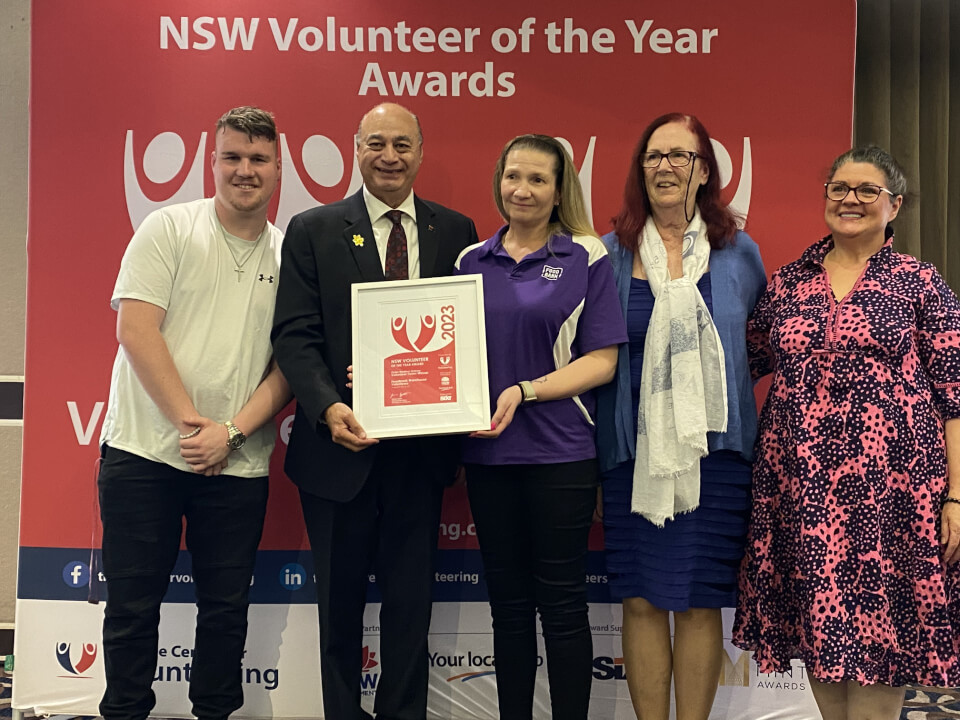
2023 Regional Volunteer Team of the Year Warehouse Team with Foodbank NSW & ACT with Edmond Atalla MP

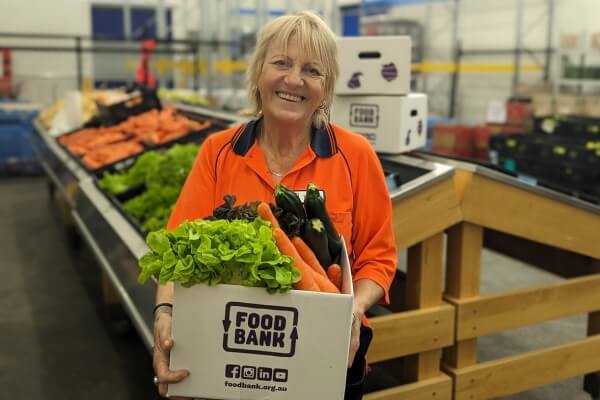
We are thrilled to share that our Foodbank NSW & ACT Warehouse Volunteer Team have been awarded Outer Western Sydney Volunteer Team of the Year.

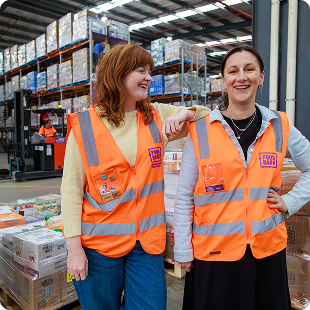
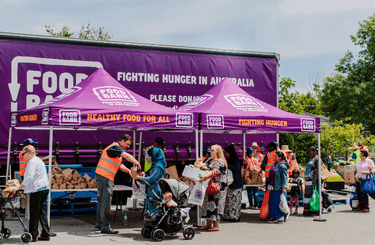
Our incredible team of volunteers are the key ingredient to enabling us to provide over 65,000 meals per day to families across the state and territory. From sorting and labelling items to stocking shelves and packing food orders, we rely heavily on our community who generously give their time to help us get food to the people who need it most.

Thank you to our wonderful Warehouse Volunteer Team and to The Centre For Volunteering for recognising their hard work.

We’re always on the lookout for more community members to volunteer with us Monday to Friday. Click here to learn more.

Volunteer with us

Demand for food relief in the ACT continues to grow, with Foodbank now sending 40% more food to the territory than last year – an increase of 11% since just last month.

Foodbank NSW & ACT CEO, John Robertson says, “This is incredibly concerning, because while demand continues to rise week on week, the support we get from the ACT Government is set to end in a matter of days.”

For the last decade, local pantries supplied by Foodbank in ACT are accessing a freight subsidy under the ACT Government Food Assistance program. This subsidy ends in June. Funding for the program is provided to support local pantries across the ACT to access food relief supplies from Foodbank NSW & ACT. Due to the recent increase in fuel costs and cost per pallet, the funding allocation for the program has been exhausted well in advance of June 2023.

For the majority of our community partner charities, accessing groceries and produce through Foodbank NSW & ACT is the most efficient way for them to access supplies, particularly pantry staples in the ACT. But we won’t be able to get food to them if we don’t have the funding. Most local pantries are entirely dependent on the Food Assistance program and would not be able to absorb part or full costs of freight.”

says Mr Robertson.

ACT hamper pop up - Kirsty @ Tuckerbox

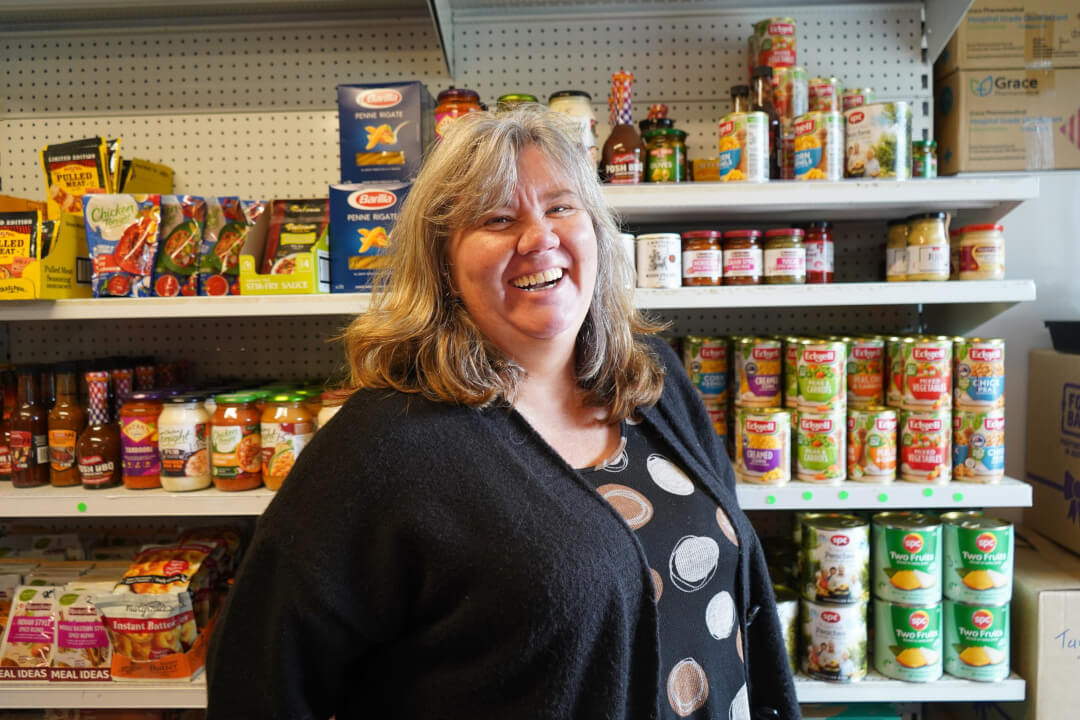
Kirsty Baker runs local pantry, Tuckerbox at the Holy Cross Anglican Church in Hackett. She is witnessing first-hand the growing need in her community:

Things are getting desperate. More and more people in our community are in need. We have already been struggling to keep up and we know it’s getting worse by the day. Food has always been a discretionary spend when you don’t have money, but now even the basics are becoming such a luxury. We recently spoke with someone who is feeding their dog Weetbix and eating dry cereal because even milk is too expensive.


At Tuckerbox, we are the fence at the top of the cliff, not the ambulance waiting at the bottom – we are trying to stop people falling in the first place. The Food Assistance Program has meant that for $40,000 a year we have been able to conservatively supply half a million dollars in food for those in need. But that will all change.”

We’re bracing for the despair, mental health issues, and broader health outcomes, especially as we come into winter. We’re already struggling to get food to everyone who needs it, so we simply can’t imagine what it will be like if the funding stops.”

Mr Robertson says, “It’s essentially five minutes to midnight yet we’ve been in conversations with government about this for over eight months. Without commitment from the ACT Government to continue the program, this kind of support in the ACT will disappear, putting multiple organisations and thousands of people at risk of not being able to access food.”

In response to the worrying rise in demand for food in the territory, Foodbank NSW & ACT distributed 630 food hampers for free to community members doing it tough.

“The situation is dire. We’re doing everything we can, and we’re now resorting to getting hampers to people who can no longer put food on the table. Soon they might have nowhere else to turn, and we will no longer be able to support in this way if the funding we so desperately need isn’t forthcoming, Mr Robertson concludes.  

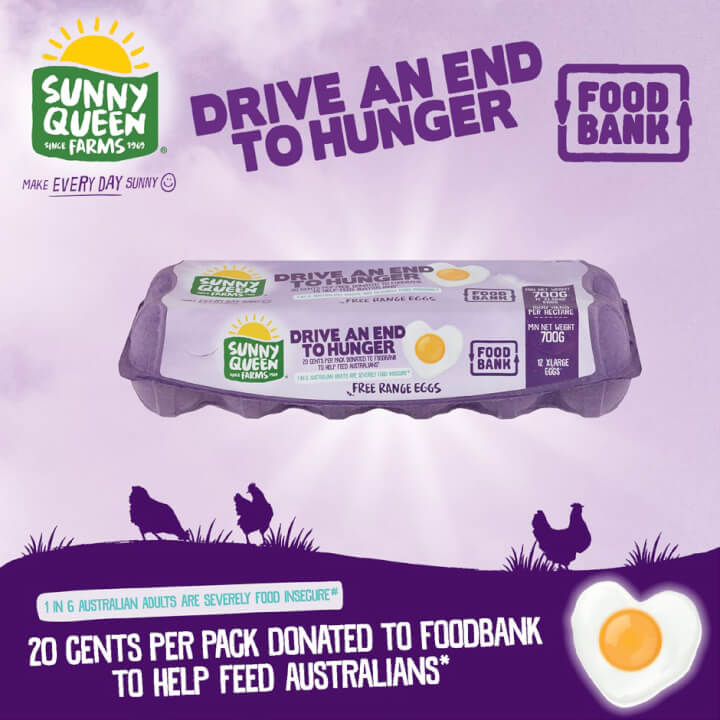
SUNNY QUEEN IS ‘EGG-STREMELY’ PROUD TO HAVE PARTNERED WITH FOODBANK AND MAJOR RETAILERS TO HELP RAISE FUNDS TO FEED AUSSIES IN NEED


28 April 2023

Australia’s favourite smiley-faced eggs and Foodbank Australia are proof of the power of an ‘egg-ceptional’ partnership, their joint ‘Purple Egg Pack’ campaign having raised enough money in six months to provide 184,738 meals to families in need.

The product cracked the market last June with a percentage of proceeds from every carton sold at supermarket major outlets across Queensland, Victoria and New South Wales being donated towards Foodbank.

“We are egg-stremely proud to have created a Purple Foodbank Egg Carton for a very special purpose,” said Isabelle Dench, Head of Marketing of Sunny Queen Australia.

“To have provided over 184,000 meals for a cause that really matters in the first six months of the campaign is so incredible. We’re egg-cited to continue the partnership and provide even more meals by the end of the year,” she said.


SQA Egg Pack Campaign Post 1

The funds raised were handed over to the Foodbank team at a morning tea today, Friday, April 28.

“We are so grateful for our partnership with Sunny Queen who have supported Foodbank since 2018,” said Foodbank Australia CEO Brianna Casey.

“I have loved seeing the purple Sunny Queen Egg cartons in my local supermarket and this result is truly amazing and will make such a different to the lives of many doing it tough right now.”

To buy your own Purple Egg Pack, head to your nearest major retail outlet.

Foodbank short one million kilograms of food

3 things Riverina residents can do to help

New data from Foodbank NSW & ACT shows that 763,000 people across the state went hungry in the past year, skipping meals or sometimes going entire days without eating.

The food-relief organisation has been fighting hunger since 1992. Each month, providing 339,200 people across the state and territory with food and grocery assistance. The Riverina is an essential source of much-needed produce for Foodbank, with almost a third of their produce coming from the area. It is considered the food bowl to NSW & ACT.

Supply Chain Manager, Joanna Grey says, “It’s hard to believe the levels of hunger across our states. We’re committed to doing everything we can to help feed everyone who needs it, but the demand for food continues to grow and as it stands, we’re short 1million kilograms of essential produce – equivalent to 1.8million meals.

“We’re so fortunate to work with incredible partners who donate so much from the Riverina, it really is the food bowl to NSW & ACT. But as the demand grows, we’re having to reduce the amount that we can give to the charity partners to ensure all of NSW & ACT receives fruit & vegetables.”

Now more than ever, the organisation needs support to continue to feed hungry families. Here’s three ways you can help:

  1. Donate to struggling families this Christmas

Hit hard by floods, bushfires, the COVID pandemic and now the cost-of-living crisis, struggling families are being pushed into hardship and hunger – many for the very first time in their lives. Without urgent support, they simply won’t be able to afford Christmas, meaning many people will go hungry.

For just $35, you can give struggling families a Christmas food hamper so that they don’t have to go without a Christmas meal.

  1. Join the Foodbank team

Foodbank NSW & ACT are on the hunt for a Produce Manager from the Riverina area.

Supply Chain Manager, Joanna Gray says, “Food insecurity is a growing problem, requiring a huge, coordinated response. Our team helps bridge the gap between the food and grocery industry’s surplus items and the 763,000 across our state people going without food. Our employees and volunteers are determined to end hunger, but we need more help.”

Working closely with Riverina farmers, growers and packers, the position will play a key role in achieving the organisation’s goal of increasing the quantity and quality of food distributed to people in need.

“This is an opportunity to use your networks with Riverina farmers, retailers and growers to make a difference to the community.”

  1. Hold a food drive

Food drives are a great way to get teams and communities together whilst helping us get more food, grocery and personal items to the people who need them.

You can help provide meals for people in crisis when you hold a food drive. From canned meals and vegetables to bags of rice and pasta, your generous donations will help many families who would otherwise go without.

Ms Grey says, “We welcome all non-perishable pantry items that are in-date and personal hygiene and household items, including bottled water, tinned food, pasta, long life milk, shampoo, baby food, and more.”

To find out more, visit the Foodbank website: www.foodbank.org.au

ENDS

Millions of households struggling to put food on the table 

Foodbank Hunger Report 2022 Cover Page

Monday 17th October 2022, SYDNEY: On any given day, over half a million households in Australia are struggling to put food on the table, and disturbingly, those with children are being hardest hit.

Released today, the Foodbank Hunger Report 2022 reveals alarming details surrounding the food insecurity crisis the country is facing.

More than 2 million households in Australia have run out of food in the last year due to limited finances, sometimes skipping meals or going whole days without eating. This has meant that 1.3 million children lived in food insecure households during that time.

Unsurprisingly, the rising cost of living is the most common reason why so many are struggling to meet their household food needs, with the cost of food and groceries confirmed as the top cause followed closely by energy and housing costs.

Assumptions that this is affecting only those who are unemployed or homeless are incorrect with the research showing that over half of food insecure households had someone in paid work and a third of households with mortgages have experienced food insecurity.

Foodbank Australia CEO, Brianna Casey, has witnessed the rise in demand for food relief services over the past year, but even she was shocked by the troubling picture of today’s Australia exposed in the report.

“We know how important it is for people to have access to nutritious food, yet the rising costs of energy, fuel, groceries, rent and mortgages have put this fundamental need beyond the reach of more and more people with no respite in sight,” said Ms Casey.

“These results should make everyone stop in their tracks. The numbers being reported are massive and hard to process, but they represent the harsh reality of living week to week when the cost-of-living crisis collides with an income crisis and the household budget now lists food as a discretionary spend,” said Ms Casey.

Foodbank Hunger Action of Distributing Foods

The report signals that the problem is only set to get worse with half of all households experiencing difficulty saying that being unable to afford food is happening more often.

The food relief charity is hoping that next week’s Budget will deliver positive change.

“We have heard the Treasurer caution that the October budget is not the time for new spending measures to deliver relief to struggling families, but with more than a million people a month already seeking food relief, if not now, then when?”

KEY STATISTICS

  • On any given day, over half a million households in Australia are struggling to meet their food needs.
  • Households with children are being hit harder than others (32% severely food insecure in the past year vs a national average of 21%) and single parent households are the worst of all (37% severely food insecure).
  • The rising cost of living is the most common explanation for why people are failing to meet their household food requirements (64% of food insecure households). Unpacking this, the cost of food and groceries is the top cause (49%), followed closely by energy (42%) and housing (33%) costs.
  • Over half of food insecure households (54%) had someone in paid work.
  • Nearly a third of households with mortgages (30%) have experienced food insecurity in the last year. The situation is even worse in regional areas (36% vs 27% in metro areas).
  • On a typical day, 306,000 households are receiving assistance from food relief organisations.

METHODOLOGY

This report presents key findings from the Foodbank Hunger Survey, which was conducted between 11 and 28 July 2022, through an online questionnaire of 4,024 people in Australia aged 18 years or older. The sample was nationally representative by age, gender and location (capital city / rest of state) in each major state, with stratified quotas to ensure all major states have a robust minimum sample size of n=600 or above. The data was weighted to nationally representative proportion of age, gender, state and location (capital city/ rest of state).

The term food insecurity covers a range of experiences – from being uncertain about getting enough food and compromising on nutrition right through to disrupted eating patterns and reduced food intake.

9 May, 2022

2,500 MEALS FOR THOSE IN NEED ON THE NSW CENTRAL COAST

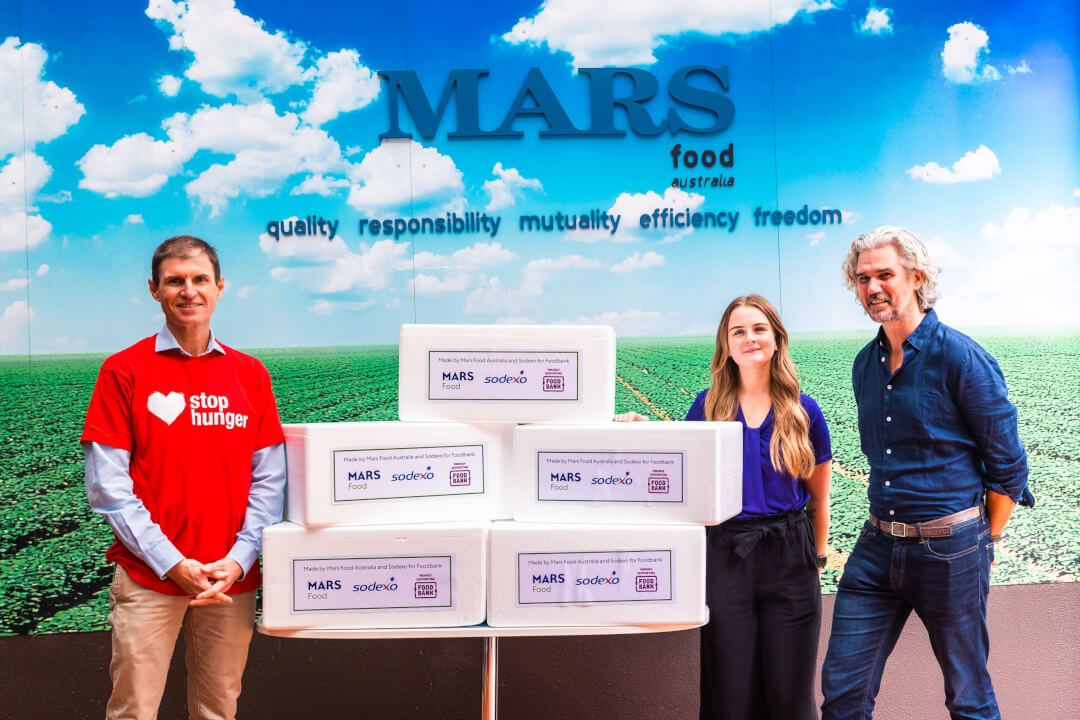
Mars Food Australia, Sodexo and Foodbank are combining resources to cook up a storm in a week-long special event to help people in need of food relief on the NSW Central Coast.

Mars Food Australia, Sodexo and Foodbank preparing meals

The wider staff team at Mars Food Australia is returning to the company’s production facility at Wyong– the first time many have been on site since COVID-19 restrictions took hold – and their commercial R&D kitchen has been converted into a master chef’s culinary workshop to produce meals for local people in need.

During the COVID-19 lockdowns in 2020, the demand for food relief increased by 47 per cent according to Foodbank. In 2021, more than one in six Australian adults hadn’t had enough to eat and, of those, almost 40 per cent had not been in this situation prior to the COVID-19 pandemic.

In response to this need, more than 100 staff across all areas of the Mars Food business, along with staff from Sodexo, have volunteered their time to produce up to 2,500 meals, working two shifts a day throughout the week (9-13 May). Local charities who are part of Foodbank’s network will collect the meals and distribute them to individuals and families on the Central Coast.

Mars Food Australia’s General Manager, Mr Bill Heague, said there was huge enthusiasm for the project amongst the team at their Central Coast facility.

“With everyone finally returning to the site here at Wyong, we wanted to celebrate with a project that got us working together, side-by-side with colleagues, doing something worthwhile for our community,” Mr Heague said.

“We firmly believe that dinner time matters, and we know finding opportunities to cook and share meals with family and friends is good for both physical and mental wellbeing. It’s the foundation of our business.

“As a food company that’s committed to making healthy and good tasting food products that bring people together, what better way to do celebrate our return than by producing meals for those experiencing food insecurity in our local community,” he said.

“With everyone finally returning to the site here at Wyong, we wanted to celebrate with a project that

got us working together, side-by-side with colleagues, doing something worthwhile for our community,” Mr Heague said.

“We firmly believe that dinner time matters, and we know finding opportunities to cook and share meals with family and friends is good for both physical and mental wellbeing. It’s the foundation of our business.

“As a food company that’s committed to making healthy and good tasting food products that bring people together, what better way to do celebrate our return than by producing meals for those experiencing food insecurity in our local community,” he said.

Sodexo, an integrated facilities management services company, with a base on the Central Coast, has teamed up with Mars Food Australia to provide support services and the key food ingredients required to make up the 2,500 meals.

Mr Keith Weston, Executive Director, Energy and Resources and Group Strategic Accounts, Australia, said Sodexo is keen to collaborate on this week-long event to support the local community.

“When we work with stakeholders who share our values, great things can happen. This collaboration also supports Sodexo’s global Stop Hunger program and mission to improve quality of life for people everywhere we operate,” he said.

The teams will be cooking fresh meals with ingredients from Sodexo and sauces and meal bases from Mars Food Australia to create a range of meal options: Dolmio spaghetti bolognaise, Masterfoods butter chicken, Masterfoods beef stroganoff and a vegetable curry.

Brianna Casey, Foodbank Australia CEO, said Foodbank is thrilled to be a partner in this project and help get these meals directly to those who have fallen on tough times in the local area.

“Foodbank provides relief to more than one million Australians every month, and with the cost of living increasing, this figure is not likely to go down any time soon,” Ms Casey said.

“We are so grateful to our wonderful partners – Sodexo and Mars Food Australia – who work tirelessly to support us and have done so for many years.

“We know that a nutritious meal is more than just food. It not only relieves the burden of stress, it enables families to unite and bond at the dinner table. That’s what Mars Food and Sodexo’s cook up will enable for many families and individuals doing it tough right now,”

The four charity partners who will be collecting and distributing meals throughout the week are:

The Entrance Public School which runs a pantry for families and is well known in the community.

FIAM Incorporated Care Arm which runs an outreach service for people in need who can’t travel and shares food with a local homeless support service.

Toukley Neighbourhood Centre which runs a pantry and delivery service for people in need.

Coast Shelter which provides a range of services and personal supports for people experiencing homelessness or domestic and family violence.

Mr Heague said Mars is striving to helping alleviate the growing hunger problem on a world-wide scale.

“Globally, Mars Incorporated is committed to delivering 25 million meals to people in need of a healthy meal by 2025. This project will contribute towards that goal and go some way to helping families struggling with food insecurity and going through difficult times,” he said.

featured image

Foodbank Hunger Report 2021

This year, we released the Foodbank Hunger Report 2021, which revealed that 1 in 6 adults in Australia haven’t had enough to eat in the last year, and even more shockingly, 1.2 million children have gone hungry.

The report this year uncovers the compounding reality of food insecurity in the time of COVID-19. More than 70% of people going hungry go a whole day without eating at least once a week.  43% of children who live in severe food insecurity go a whole day without eating once a week. Hunger is affecting people across all demographics right now, many are young working families, retirees, and indigenous people living in regional Australia.

The report, now in its 10th year, highlights that the pandemic continues to deliver challenges that are exacerbating pre-existing issues in our community. In addition to those who were already struggling before COVID-19, the pandemic has caused others to experience vulnerability for the first time. In fact, more than one in three of last year’s food insecure people in NSW (39%) had never been in that position before.

The report highlights that food insecurity is not restricted to the ‘obvious’ vulnerability groups in the community such as homeless people and the unemployed. It shows people of every age, living alone, in families and in groups are susceptible. Food insecurity is shown to affect people in cities right through to those in remote areas and surprisingly, it affects more people in some form of employment (64%) than those who have none.

The Foodbank Hunger Report provides a snapshot of the prevalence and depth of the issues of food insecurity as well as insights into the day-to-day experience of people in our community who are doing it tough.

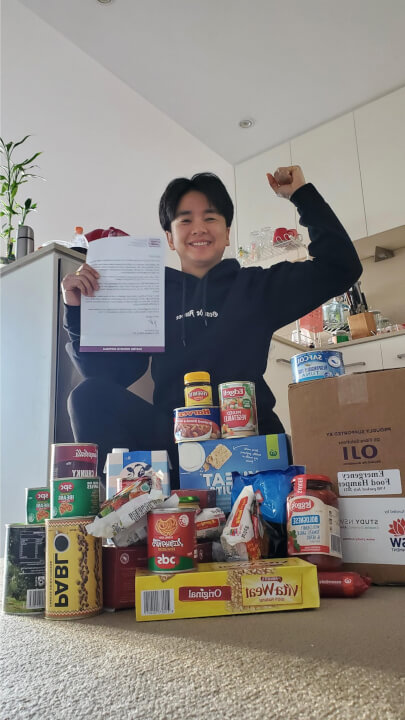
Thanks from Ritsara

Ritsara

After receiving one of our emergency food hampers, Ritsara took the time to send us his thanks and even snapped a pic with the contents of the hamper

“Thank you for delivering my groceries this week; I really don’t know what I’d do without you. Please stay safe while you are keeping us all safe, and know that what you do makes a big positive difference to me.”

Help for Locked Down Residents

Help for locked down residents

(Photo courtesy of ABC Sydney)

When an apartment block in Blacktown got locked down in late July due to COVID-19 cases, Foodbank was there with a hamper ready for each apartment.

One resident, got in touch just after the delivery:

“Hi Foodbank, just to let you know that my mother and I are thankful for the groceries provided for us at this crucial time. We both are doing ok. My only concern is my mother’s heart breaking situation, as she is very unwell. We can get through this biggest problem in the world with love and unity.”

A thanks to our charity partners

Seven Hills

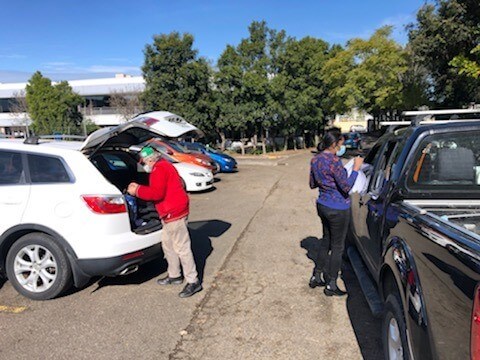
One of our charity partners in Seven Hills in Sydney’s West has been working hard to offer food hampers to families affected by the COVID lockdown. Around 60 Families a day are being supported under their contactless drive thru & deliveries.

“We are currently supporting those who were already falling through the cracks before COVID – refugees, asylum seekers and disadvantaged families with children, they’re finding it really tough right now.”

Community Care Seven Hills is one of many hundreds of our charity partners who are helping us to provide essential food relief in lockdown.