No need to scooch. We saved you a seat!

Ballarat Community Lunches

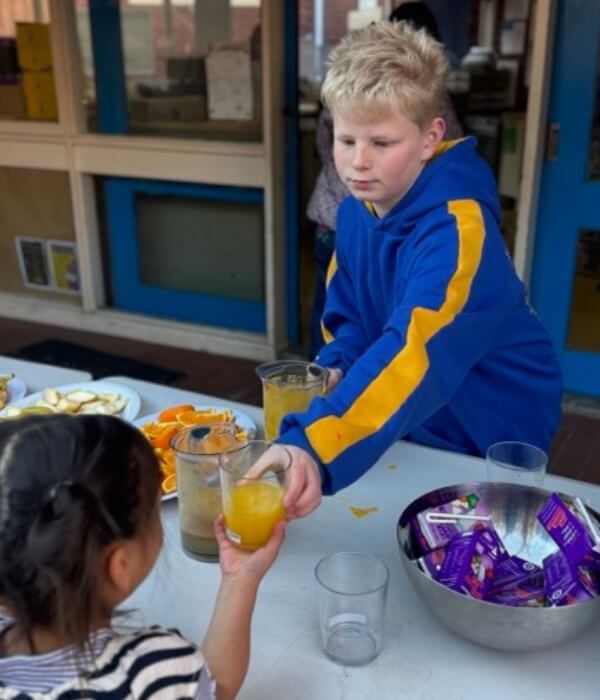
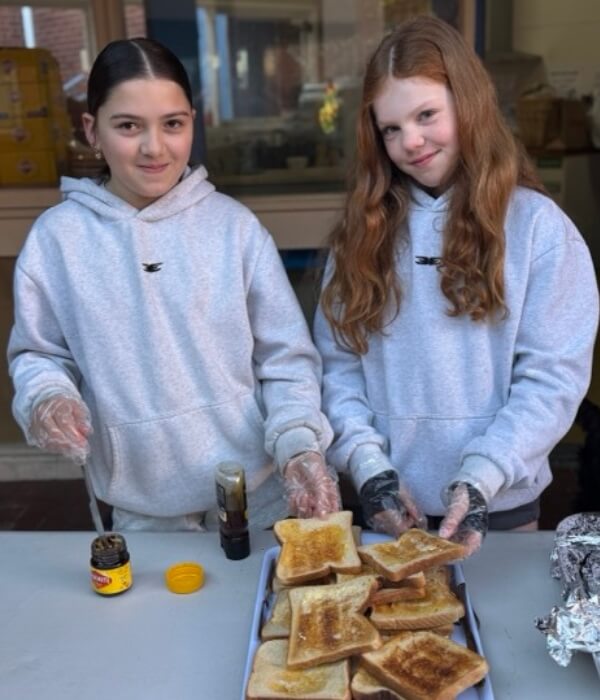
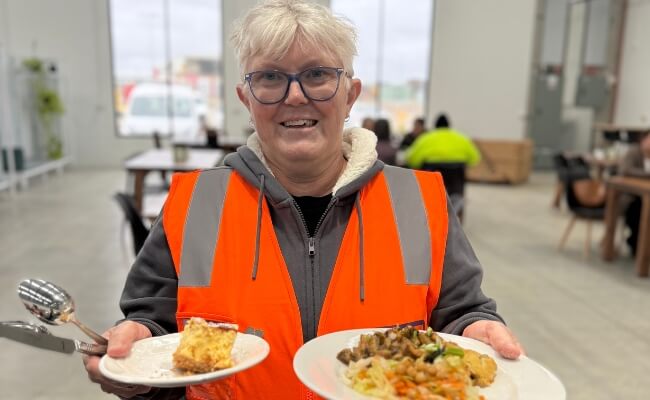
Clusters of tables covered with plates full of delicious and hearty food, with 40 new friends squeezed in side by side. That’s the community lunches that you help create. Every week, with YOUR support, we invite locals to share lunch together at our Ballarat Community Food Centre.

Serving up a three-course meal, these afternoons are pretty special, giving hard-hit regional communities a chance to connect and share their stories. All over a plate of great food, which sometimes will be the only meal they eat that day. Which is why we do everything we can to make it count.

Some visitors might walk in as strangers, but after a hot meal on a cold day and a little community storytelling… it’s quite the challenge to walk away without a new friend in tow!

Every $1 donated is
2 meals created

More stories below

Thank you, Victoria!

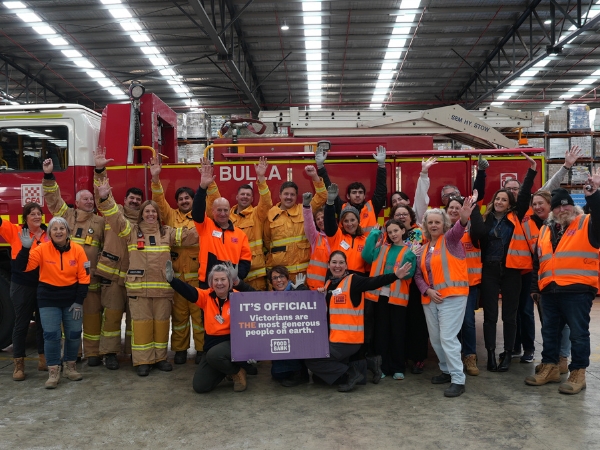
All weekend long, you rocked up to our Food Drive with your smiles, your beautiful words of encouragement and best of all, your arms and boots chock-a-block full of food.

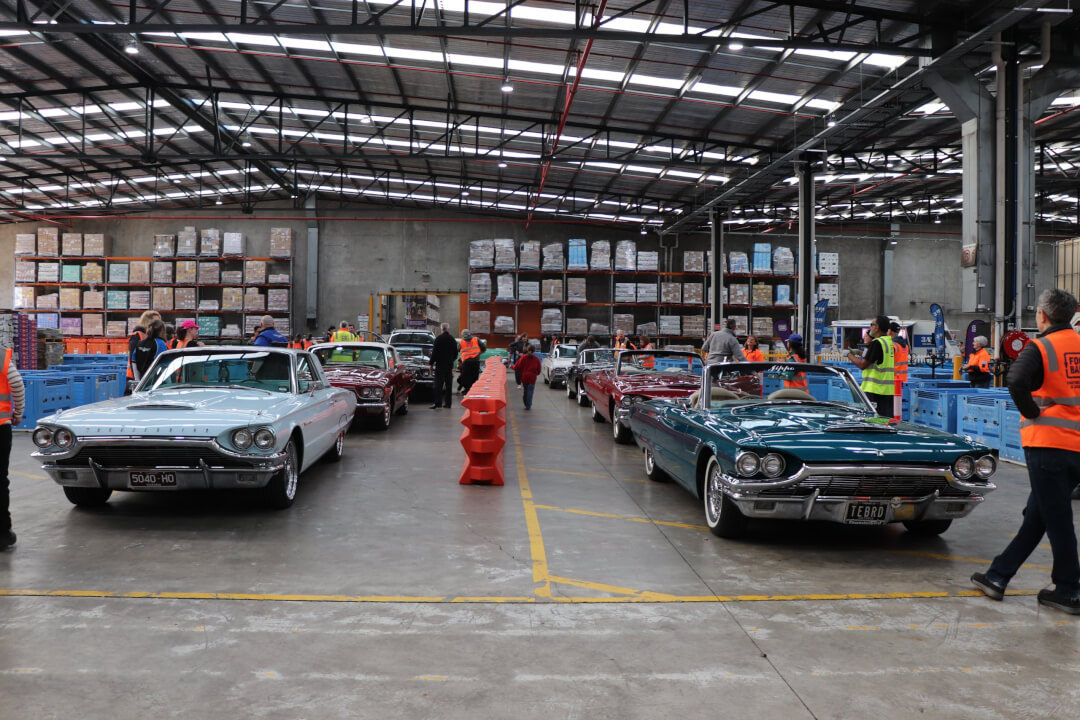
There were cars of all kinds, a gleaming convoy of vintage Thunderbirds and Porsches and a big red CFA truck. We’re so grateful to everyone who came along, and of course to our amazing volunteers who unpacked boots with enough energy to launch a rocket and even bigger smiles!

Couldn’t get there in person? You can still be part of our Virtual Food Drive so head over there and fill up a bag, basket, trolley or car boot with urgently needed groceries to help feed more Victorians.

Check out some highlights from Channel 9 News 😊

Support the 
Virtual Food Drive

Start Your Engines for our Biggest Food Drive ever!

Vroom, Vroom! With 69,000 people relying on our support every day, no matter how hard we work here at Foodbank Victoria, we just can’t keep enough food on our warehouse shelves.

Which is where you ‘vroom’ in.

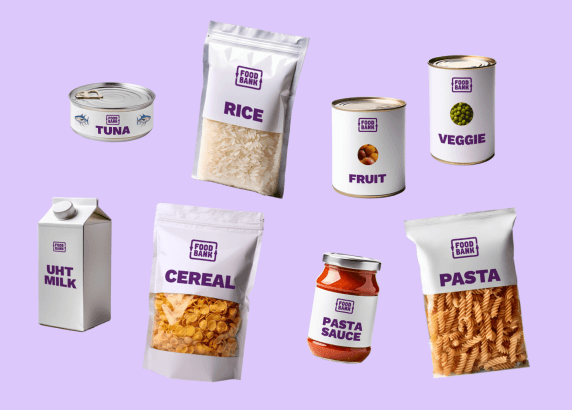
We’re calling on every business, school, sporting club, community group, family or individual in Victoria (who are in a position to help) to drop off food directly to Foodbank at 4/2 Somerville Road, Yarraville on August 16 and 17, between 10am and 3pm. Volunteers will be on hand to empty boots and baskets. We are looking SPECIFICALLY for eight staple items that are most in demand: Tuna, Pasta Sauce, Pasta, Rice, Cereal, UHT Milk, Canned Fruit and Canned Vegetables.

Drive through food donations

Our Yarraville warehouse will be open for drive through food donations August 16 and 17, between 10am and 3pm. Hit the supermarket and bring any of the 8 most in demand items to fill our shelves.

See you soon!

Virtual Food Drive

Can’t get to our warehouse? You can fill a virtual cart anytime, day or night, in our Virtual Food Drive shop! Choose a pre-packed bag, basket, trolley or boot load, or select your own items from the 8 in demand.

Find out more

Fundraising Food Drive

Be a food hero and create your own Virtual Food Drive fundraiser. Invite everyone you know to donate a bag, basket or trolley load of food. Set a goal, create a team and see how much you can collect together online.

Find out more

You can also drop urgently needed food into your local Bendigo Bank in metropolitan Melbourne during biz hours right throughout August.

Can’t get to our warehouse?

Celebrating 95 Years

At Foodbank Victoria, we’re set to celebrate a significant milestone on 31st July 2025, marking 95 years of dedicated service to the people of Victoria. Founded in 1930 as the State Relief Committee, we’ve played a critical role in supporting Victorians through decades of challenges, from the Great Depression and bushfires to the recent pandemic and ongoing cost-of-living pressures.

Over the past nine and a half decades, we’ve transformed from a provider of emergency food support to the state’s largest and longest-operating food relief organisation. Today, we provide vital support to more than 69,000 people daily via an extensive network of charity partners and over 1,300 schools. In the last year alone, we’ve distributed more than 25 million meals across Victoria.

The 95th anniversary, is not just about numbers. “It’s a reflection of the compassion, dedication, and community spirit that have shaped Foodbank Victoria’s journey,” Dave McNamara, CEO, said. We credit our success to the tireless contributions of volunteers, donors, and partners: every food item gifted, every dollar donated, every box lifted, and every hamper packed has helped build a legacy of hope and resilience.

Looking ahead, we’re using this milestone as a recommitment to our mission: ensuring every Victorian has access to nutritious, culturally appropriate food. As the need for food continues across the state, we emphasise the importance of continued community support.

Cooking Classes Build Confidence  

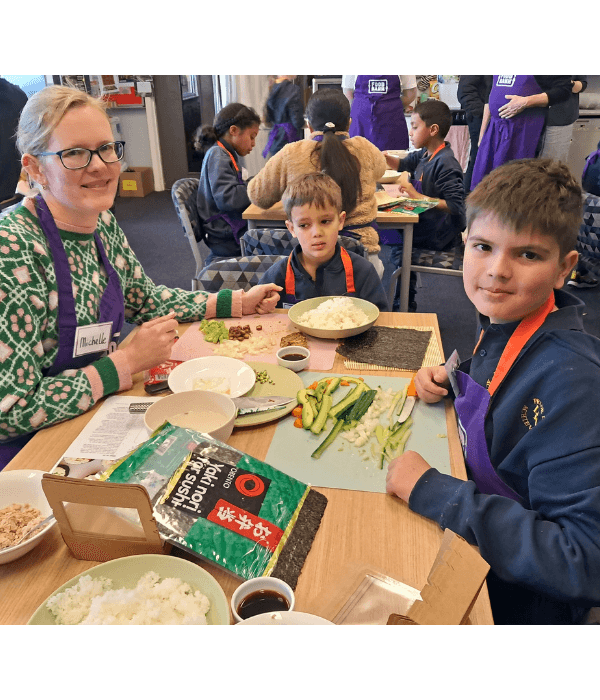
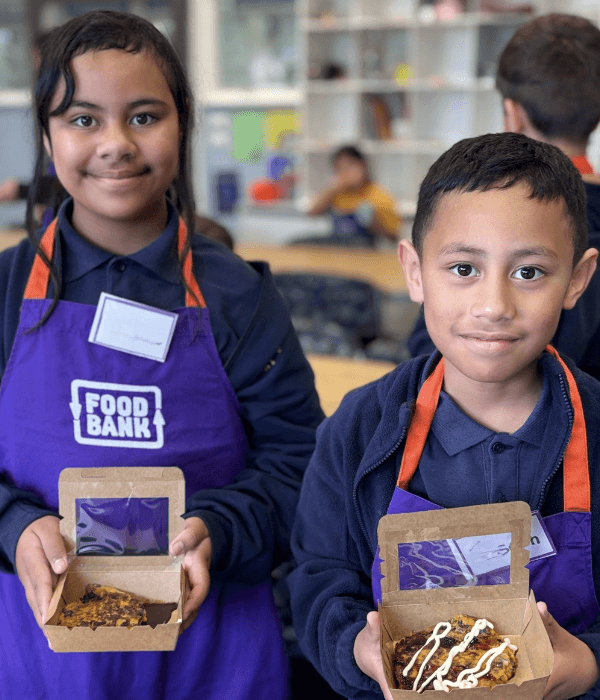
Fountain Gate Secondary College jumped at the opportunity to have the Cooking Class program at their school. Wellbeing Coordinator Kerry was keen to get involved as she knew it would be a great way to promote healthy eating, as well as build practical kitchen skills. She also knows that food brings people together, and that Cooking Classes would go a long way in strengthening family relationships.  

And that’s what they got – plus a whole lot more! The program made a lasting impact on both students and their families. 

Beyond strengthening relationships between staff and families, the classes created a space for students to connect meaningfully with their parents and opened the door to positive communication channels. 

“It has been nice seeing students connecting with their parent or guardian in the room, they all look so happy to learn new skills and try new tastes. In a world where connection is lacking, it’s great to see students truly engaging.” 

Something for everyone

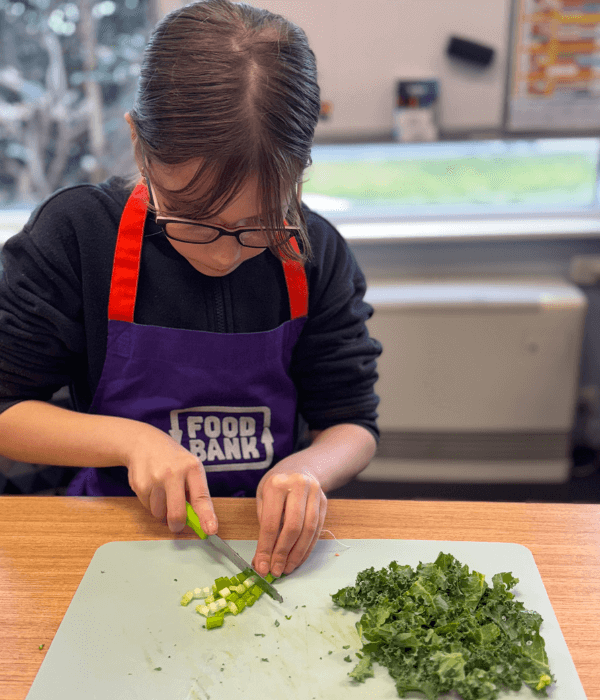
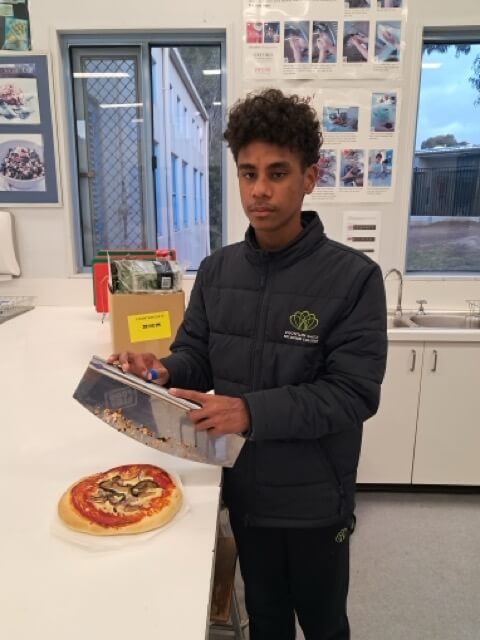
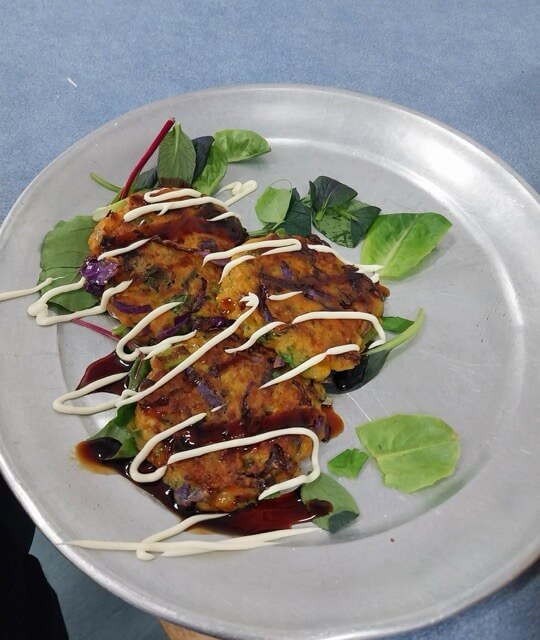
Students of varying backgrounds and interests found value in the program.  One student, initially hesitant to participate, quickly found that he had gained confidence in the kitchen and developed his knife skills. He especially enjoyed making rice paper rolls and the okonomiyaki which he enjoyed cooking for his family at home – something he never envisioned. 

Another student, who has a long-standing love for cooking, appreciated the opportunity to deepen her knowledge in a fun and hands-on environment. She learned how to prepare new healthy and nutritious meals while spending quality time with her mum, something that’s getting harder and harder to do. Busy family schedules have been a bit of a time thief, so cooking classes were a welcome activity. 

But the most surprising transformation came from a student who had always been a very picky eater. A self-confessed chicken nugget fan, this student was inspired by the facilitators and fresh produce to try new vegetables – even discovering they liked things they had convinced themselves they didn’t. The cherry on top was the increased confidence in the kitchen, from knife handling to food safety and everything in between. 

Confidence, Connection and Commitment to Healthy Eating

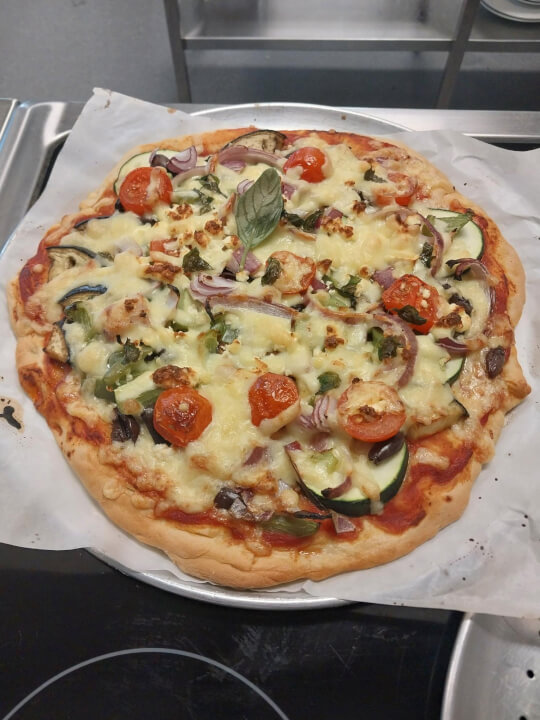
The inclusion of take-home food hampers from Foodbank Victoria allowed families to try recipes together outside the classroom. Many reported that they’d begun to incorporate the recipes into their regular meal planning, promoting healthier eating habits at home and encouraging their children to take a more active role in family cooking. 

Fountain Gate Secondary College welcomed our facilitator, Jane into their kitchen with open arms. But if given the opportunity to welcome a guest chef to Cooking Classes, they unanimously chose Jamie Oliver—renowned for his commitment to healthy eating and inspiring young people to love food. 

Testimonials

Parents and carers saw the benefits reach beyond the classroom:   


“This program has definitely helped him become more confident” said one mum. ‘Not only in the kitchen and cooking, but also within himself. We are so grateful for the opportunity.” 


“Doing these cooking classes has given me the opportunity to spend quality one-on-one time with my daughter and help her gain skills she will use throughout her life.” 


“This program is amazing. I’ve enjoyed learning new recipes and using produce I wouldn’t normally use. It has broadened my horizons.” 


This seems to good to be true. From organisation, to preparation and relationships, this program is absolutely amazing! We have been so pleased that our school can be part of this program and that it benefitted so many different families within our school. Between the onsite cooking classes and the food hampers, 24 families have benefited from this program. It is lovely to see the families come together to cook and prepare a healthy meal together. Their teamwork and bonding as a family has also been wonderful to watch throughout this program. This is something that we would most definitely recommend to others,” – Kerry Gore, school contact coordinating the Cooking Classes.

Empowering Leadership and Fostering Autonomy

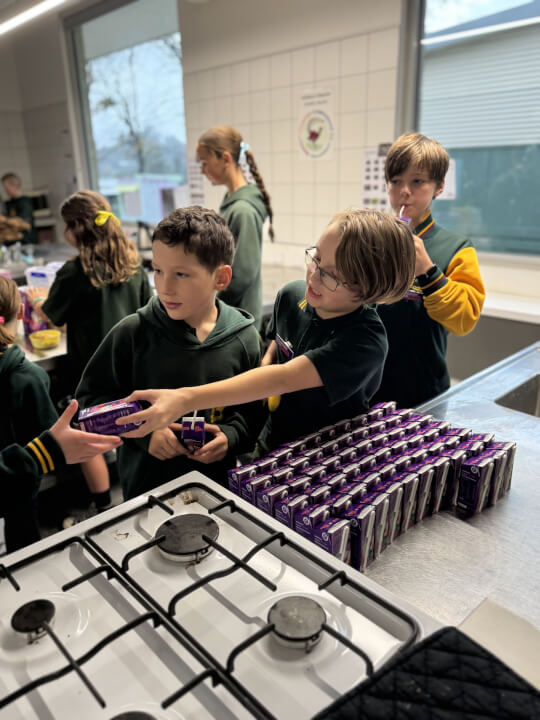
Set amongst the gumtrees and ferns of the Dandenong ranges, the essence of Monbulk Primary School’s Breakfast Club is student leadership and autonomy.

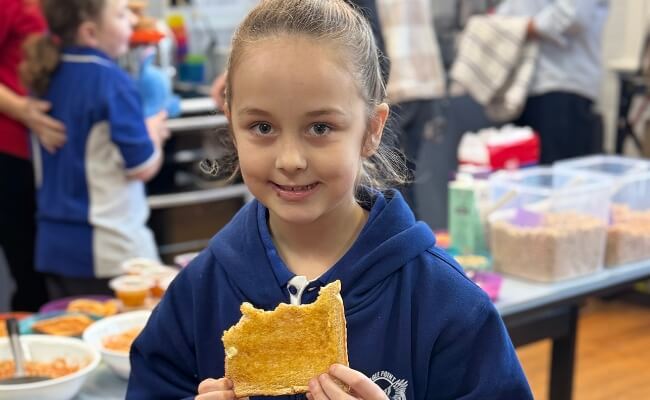
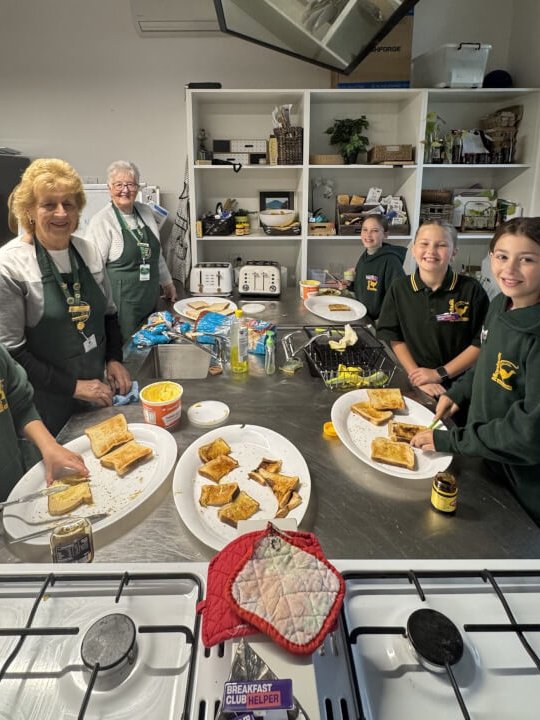
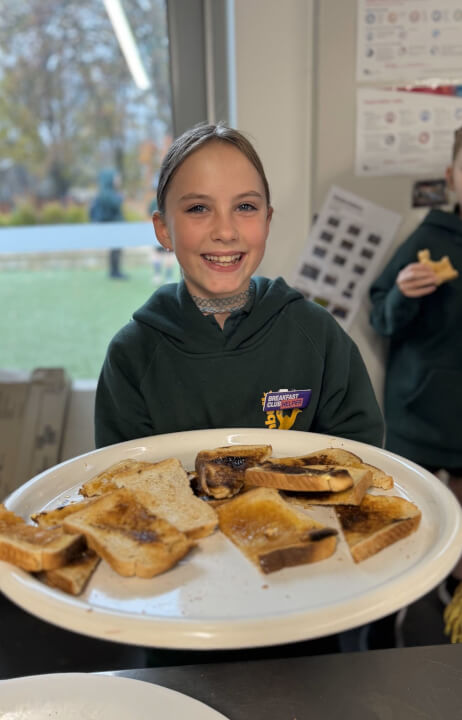
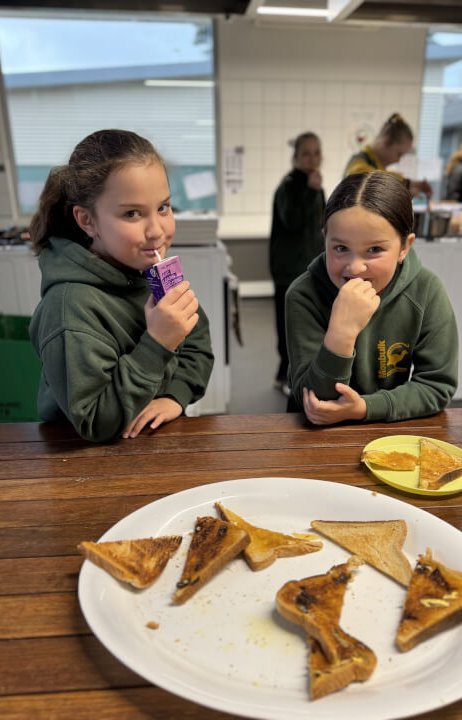
On a cold and dreary Tuesday morning the students were met with warmth not only from the steaming pot of porridge, but from the student leaders and volunteers that make breakfast club “homely”. That warmth is a direct result of the care shown by the students and community members who make it happen.

Running every Tuesday and Thursday, serving 50–60 students out of a total school population of 230, Breakfast Club not only provides a nutritious start to the day, it has also become a dynamic platform for student leadership, autonomy, and community connection.

Student Empowerment

The heart of the Breakfast Club’s success lies in its student-led model. Year five and six students genuinely take ownership—managing food stations, restocking breakfast items, and even stepping up to run the Club independently when the coordinator, Meg, was unwell recently.

To foster this sense of ownership, Meg sent a survey to year five and six students, asking that they choose their preferred days and roles should they want to be involved. This gave the students a voice and a sense of responsibility over their roles. This structure has cultivated a culture of trust, initiative, and pride among the students. As one teacher noted, students who attend Breakfast Club, whether it be to participate in a leadership role or just to have brekky, displayed improved behaviour and engagement throughout the day.

The Club’s “cruisey” atmosphere, as Meg describes it, is a testament to the autonomy embedded in its operations. Students are not just helpers—they are leaders. They introduce new breakfast items each term (like warm porridge with honey in Term 2), adapt to changing needs, and ensure the smooth running of the club with minimal adult intervention.

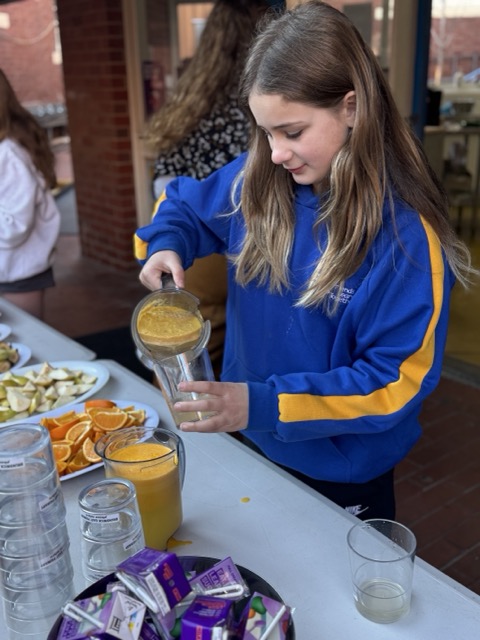
This autonomy extends beyond the morning responsibilities. Student leaders also manage the fruit bowls, ensuring classrooms are well stocked and ready each day. This has led to healthier eating habits, with more fruit being consumed across the school.

Community

While student leadership is central, the club thrives thanks to strong community ties. Parents regularly volunteer, and the local Country Women’s Association (CWA) plays a key role, especially on Tuesdays. With a roster of eight members—including Cheryl and Wendy, both former students—the CWA brings a sense of continuity and heritage.

The school’s collaboration with the CWA and relationship with parent volunteers reflects a broader culture of shared responsibility and community-mindedness. It’s not just a school breakfast program—it’s a community.

At Monbulk Primary School, Breakfast Club is more than food. It’s a space where students gather, connect, and start their day with a sense of belonging. Even those who don’t come for breakfast, still come along to chat with friends, reinforcing the notion that food brings people together.

Monbulk Primary School’s Breakfast Club is a beautiful example of how leadership and autonomy can be nurtured in young students. By trusting them with responsibilities and celebrating their contributions, the school has created a program that feeds both body and spirit—one bowl of warm porridge at a time!


The innovative initiatives making a difference

Here at Foodbank, we love partnering with organisations that are using creativity and generosity to fundraise on our behalf. From coffee to car warranties, cycling to celebrity spatulas, these initiatives are helping us to feed 69,000 people every day, right across Victoria.

Here are some incredible examples of businesses rallying behind the cause, helping to raise the vital funds needed for us to get healthy food on tables across the state. Supporting these initiatives is just one of the many ways that you can help Foodbank Victoria.

Chobani

Chobani created limited-edition yogurt made just for us, the ‘Fruit for Good’ yogurt, with 100% of the profits being donated to Foodbank. Sold nationally, this limited-edition yogurt raised the equivalent of 850,000 meals in Victoria alone.  

Encore Tissue

Encore Tissue has partnered with Foodbank Australia to produce toilet paper that directly supports our mission. The goal is to raise 1,000,000 meals. Available exclusively at Woolworths in-store and online, this initiative is designed to have a lasting impact on people doing it tough.

FYXO – Melburn Roobaix

FYXO – Melburn Roobaix cycling event kindly contributed $5 from the sale of each early bird ticket and $1 from all other tickets sold for the 2025 event. Melburn Roobaix is a fun ride around the city and suburbs that celebrates everything rad about riding rides with friends. In its 20th year, the continued popularity is down to the grass roots feel that celebrates creativity and kookiness over speed and athleticism – with prizes to rival the Tour De France just for participating! 

Halidon Hill Finance 

Halidon Hill Finance has joined hands with Foodbank Victoria by donating $10 from each settled transaction, which equals 20 nourishing meals for those who need our support.

Hallmark 

Hallmark invites online customers to round up their spend with a donation at the point of purchase. As one of the world’s leading gift card and gifting retailers, Hallmark is helping to make a difference, one small act of kindness at a time.

Grindhog Day Coffee

In a significant effort to tackle food insecurity, Grindhog Day Coffee is contributing $2 for every 250 grams sold across its Grindhog Day coffee packages. This initiative has already generated an impressive $24K in funds. 

Minimax 

Minimax has taken fundraising to the next level by selling spatulas designed by celebrities, including Hamish Blake, Chrissie Swan, Sophie Monk, Glenn Robbins, Mark Knight, and Adam Liaw. With 100% of profits donated, across all campaigns Minimax has raised almost 385,000 total meals.

Presidian Group 

Every $1 donated is 2 meals created – and Presidian Group are kindly contributing $1 from each car warranty administered. This really makes a difference, with more than $100,000 raised to date for Foodbank Victoria. 

Trade For Good 

Trade For Good is making an impact by donating 50% of their brokerage when investors select Foodbank as their preferred charity. So far, this initiative has raised 18,000 meals, and the momentum continues to grow. 


Each of these initiatives showcases the power of collaboration to get healthy meals on the tables of Victorians doing it tough. We couldn’t do it without these amazing partners – so we celebrate their creative and impactful fundraising efforts.   

Got a cool idea for how your organisation can help raise funds for Foodbank? Our partnerships team would love to hear it! corporateparnterships@foodbankvictoria.org.au 


Our two cents on the Victorian Food Security Inquiry — read the response here

Foodbank Victoria has submitted a response to the Victorian Parliamentary Inquiry into Food Security, reflecting on key themes and areas of opportunity raised in the report.

Foodbank Victoria’s response to the Legal and Social Issues Committee (LSC) of the Victorian Legislative Council report: Food Security in Victoria, released Thursday 14th November 2024 following the Inquiry into Food Security in Victoria.


About Foodbank Victoria

Foodbank Victoria has been providing vital food relief to Victorians for 95 years. Our dynamic and responsive model has shifted over time as we respond to the changing needs of the Victorian community.

We deliver food to people who need it in three different ways: in partnership with our charity partners, through schools and via our regional Community Food Centres, and we maintain strong relationships with all our partners to ensure our work is responsive. Across our network of 473 charity partners, 1173 schools and the two regional Community Food Centres, we have distributed over 25 million meals in the last 12 months, which provides approximately 75% of the food into the statewide Food Relief Sector, and we currently feed 69,000 Victorians a day. Social supermarkets, cooking classes and a social cafe run in our two purpose-built Community Food Centres in Ballarat and Morwell. As the state’s dedicated emergency food relief organisation, we also assist Victorians through natural disasters and pandemics. Foodbank Australia recently undertook external research examining their Social Return on Investment and determined that for every dollar invested, $5.83 of social, economic and environmental value is expected.


LSC report: Food Security in Victoria

Foodbank Victoria commends the LSC on a comprehensive report and set of 25 recommendations looking at short- and long-term activities and solutions to food insecurity in Victoria. Foodbank Victoria recognises three key themes centred around schools, healthy food relief and data-driven decision making from this report that should be areas of focus for the Government to drive change in food insecurity across Victoria.


Schools

In partnership with the Victorian Government, we deliver Australia’s largest School Breakfast Clubs Program (SBCP) to primary and secondary state schools across Victoria and will expand to all Victorian Government schools by end of FY26, which is timely given 86% of schools reported an increase in demand for SBCP food in the 2024 SBCP survey.

The importance of this program cannot be overstated. A recent study of nearly 30,000 students found those who skipped breakfast did worse on NAPLAN numeracy and reading tests than those who ate breakfast daily. It is a concern that one in ten students reported they never ate breakfast, about a half of students skipped breakfast some of the time. Over three quarters of responders to the 2024 SBCP survey felt the program supports student learning.

In response to school feedback, there is a menu review in progress across the program that will provide a more culturally reflective menu. All final menu items will be green rated according to the Healthy Eating Advisory Services Food Checker and Victorian grown and manufactured items will be prioritised.

This standardised, whole of state model is proven to be cost effective and provides equitable access. Schools can tailor their delivery model to align with student and community needs, including providing take home packs so students have food available at home as well. Three quarters of schools currently use SBCP items to provide lunch for identified students and report this meets their needs. This quote highlights the value of the program from a school perspective:

“It’s a way for them to engage socially with each other, enjoy a nutritious and filling breakfast and an opportunity for the school to ensure that students have lunch, fruit for recess and fruit break times, and an opportunity for students who wish to assist with the preparation.”


Healthy food relief

We believe that all Victorians should have regular access to healthy and culturally appropriate food. We work with partners across the food and grocery sector, from farmers and growers through to retailers, to source, rescue and purchase essential food and grocery items to distribute to our communities. We prioritise supporting Victorian businesses where possible.

In 2022, Foodbank Victoria committed to providing nutritious foods as a major component of our 2022-2026 strategy. Since then, we have established systems to categorise and monitor food we procure according to the traffic-light system of the draft and now finalised Victorian Healthy Food Relief Guidelines, work that was led by VicHealth. Further to this, we prioritise fresh produce and high-quality protein, knowing these are sought after items and are often the first to be sacrificed out of necessity by people experiencing food insecurity. In the 12 months to March 2025, green-rated foods made up 85% of food distributed to the Foodbank Victoria charity network, including 3.4M kg of fresh produce, which was 38% of the food we distributed to charity partners.

We support the Committee’s recommendation for recurrent funding for the food relief sector and advocate for a healthy food lens to be included as a requirement of receiving such funding.


Data-driven decision making

We are pleased to see a more comprehensive measure of food insecurity has been recommended for inclusion in the Victorian Population Health Survey. With a better understanding of food insecurity in Victoria across the continuum, evidence-based strategies can be better tailored and enable a multi-component approach from Government.

Foodbank Victoria has invested in extensive data collection and software design to develop a statewide lens of food security. We have combined our data collection tools for measuring and understanding charities, schools, food distribution, volunteers along with distribution and 3rd party data into a whole of state model. This drives our deep understanding of food insecurity and ensures a data-led approach to equitable and impactful decisions around sourcing and distribution.

We congratulate the Committee again on a comprehensive report and look forward to reading the Government’s response.

For further information, please refer to Foodbank Victoria’s submission to the Inquiry into food security in Victoria. 


More than lunch: How schools are serving up support

At Footscray High School (Kinnear Campus) student wellbeing is at the heart of everything they do. With Dana leading the charge as the Mental Health Practitioner, big steps have been made to improve food access for students. Dana and the team have worked hard to break down stigma around accessing food, creating an open and welcoming space for communication and building connection.

Through the School Breakfast Clubs Program, schools can access a range of emergency lunch products to further support students who may not have access to a sufficient or nutritious lunch. Providing lunch items at school enables identified students to concentrate and participate effectively in the school day.

“Food is nurture” says Dana, “And it’s an access point to wellbeing. The lunch program at Footscray High is not just about the food, this is a supportive space all round.”

Lunch items are available for students who require additional access to food throughout the day and are accessed via the wellbeing office. Everything from the School Breakfast Clubs Program soups to tuna bowls is available, right next to the wellbeing office, where Dana and the Wellbeing team sit. Students ring the doorbell to access the area, ensuring that Wellbeing team have an opportunity to build meaningful connections with students through food. Students can then use the microwaves in the VCE and canteen areas to heat up their lunch.

There’s no going without at Wallan Primary School

Meanwhile, at Wallan Primary, they’ve made sure that no student goes without food. Every day, they offer a lunch program that gives all students who need it, easy access to lunch. Around 20 students benefit each day, making sure they’re fuelled up for learning. The tuna and rice bowls and the fresh fruit are particularly popular choices.

Breakfast Club Coordinator Karen is grateful they can give their students lunch when they need it.  “It is fantastic that we are able to provide food for our students, no questions asked. Students particularly like having apples available to them during class time”.

Like Footscray High School, the lunch program serves a greater purpose at Wallan Primary, “providing lunch to our most vulnerable students helps to get them ready for learning. We are also able to identify families that may require further assistance,” said Karen.

Wellbeing in focus at Werribee Secondary College

Amy, a Mental Health Practitioner from Werribee Secondary College has found the lunch program particularly helpful with engagement and wellbeing. “Food is a great way to connect with kids” she said. “The lunch products are a great way to get to know the students. While they’re waiting for meals to heat up, we use that time to build rapport and make sure that they have a positive experience with people at the school.”

“Food is such a great way to connect with people, especially teenagers, and it is such a great starting point to get to know them and build a sense of trust.”

All these schools have shown just how important it is to take care of students’ nutritional needs. They’ve created environments that reduce stigma and make sure students feel nourished—physically and emotionally.

The lunch programs at Footscray High School (Kinnear Camus), Werribee Secondary College and Wallan Primary School are just a few brilliant examples of how food access plays a vital role as a connector to wellbeing.


Gleneagles Secondary College: Stirring Up Success and Building Bonds 

The School Breakfast Clubs Program Cooking Classes at Gleneagles Secondary College have been a hit!  

It’s not just about learning to cook; it’s about bringing people together and creating lasting connections. The program has added even more variety to Gleneagles’ offering, helping staff, students, and parents build stronger bonds.  

Teachers and staff have had the chance to get to know students and their families better, making the school feel even more like a supportive and inclusive community. Plus, students have made new friends, boosting their social skills and sense of belonging. 

Why Gleneagles loved it 

Gleneagles Secondary College signed up to the Cooking Classes program to build stronger relationships within the school community. “We thought it was a great chance to build relationships.” said Sabrina, Youth Support Officer. “It also educates families on the benefits of healthy eating and supports those families with extra food.”  The take home hampers provide families with nutritious ingredients, helping put what they learn in class into practice at home. 

Why the families loved it 

Families love joining the Cooking Classes because it’s a special time to bond. With everyone’s busy schedules, it can be hard to find quality time together. The classes give parents and kids a chance to cook side by side, strengthening their relationships and creating wonderful memories. 

“We don’t get to do too much together” said Candice, mum of year seven student, Mya. “Mya’s younger brother takes up a lot of my spare time, so this was a great way to do something that’s just us”. 

Students enjoy the Cooking Classes for many reasons. They learn how to cook, gain confidence in the kitchen, and get to take charge. This sense of ownership and responsibility is empowering, and it lets them guide their parents through the cooking process, flipping the usual roles and building mutual respect. 

Marwa, who is currently in Year 12 said she signed up to take part in Cooking Classes as she enjoys cooking and it “helps her de-stress”, while Lena, Year 7, signed up with mum to make new friends at the school.  

Youth Support Officer, Sabrina, shared touching stories from families about how the program has made a difference. One family, who used to rely on take away, now cooks healthy meals together at home. This change not only improves their nutrition but also helps their child develop better eating habits. Another family shared that dad had never cooked before, but through the program, he learned to cook with his daughter, creating a special bond and gaining a valuable new skill. 

Cooking at home 

The families really appreciated the food hampers. Many have tried the recipes provided, as well as mixing it up with some of their own touches, while others are still exploring them. Budding chef Rida mixed it up, substituting some of the ingredients in the Rice Paper Rolls take home hamper to make a fusion meal for the family!  

The Cooking Class program at Gleneagles Secondary College has had a wonderful impact on the students and their families. By bringing them together, promoting healthy eating, and teaching valuable skills, it is an essential part of the school’s efforts to support and engage families.