Breakfast Club breaks down barriers

Horsham Primary School is a dual campus P-6 Primary School with a combined enrolment of approximately 440 students, educating those from both Horsham City and the surrounding rural areas.  

Student wellbeing is a continued priority for the school, especially as almost 50 per cent of their students are statistically recognised as coming from a disadvantaged background. With this in mind, Horsham Primary School is always searching for programs that assist to prepare students to be ready to learn each day, and this is where the Foodbank School Breakfast Clubs program steps in. 

Is That Music in the Air?

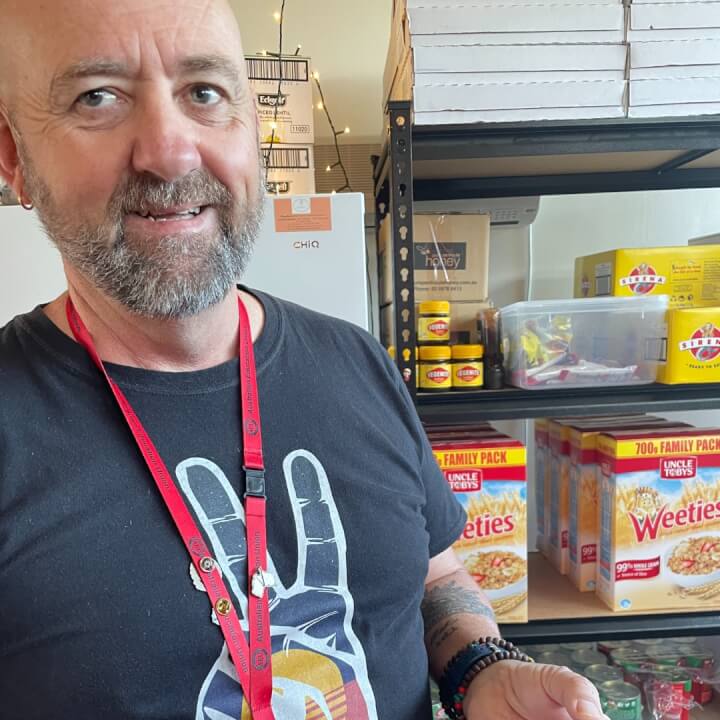
Brent White is the Student Wellbeing Coordinator at Horsham Primary School, and as part of this role he is responsible for the School Breakfast Clubs Program. Brent is passionate about making the breakfast accessible to kids that really need a good start to the day. His previous experience with underprivileged communities gave him good insight into stigma associated with providing free food to families. Brent wanted to make the free breakfast approachable and stigma free – so he turned to the Nutbush!  

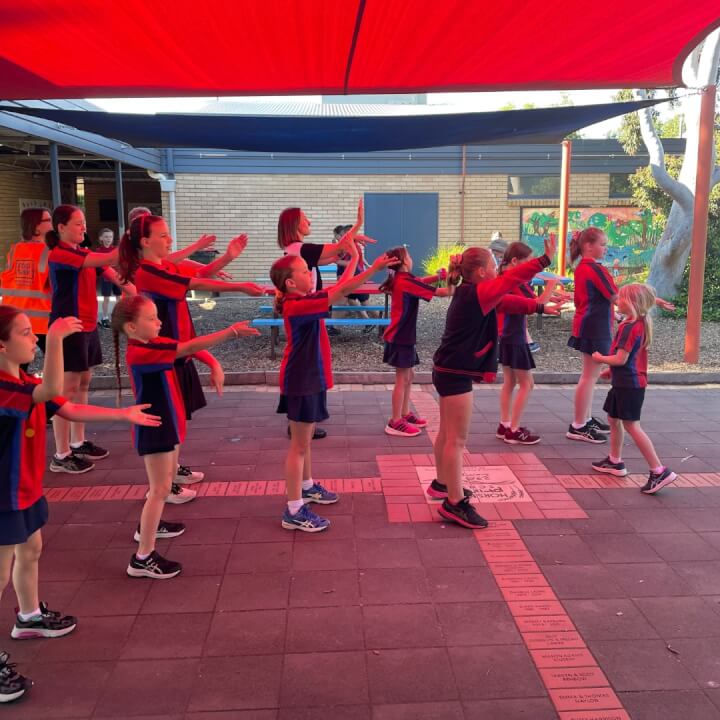
 It is easy to find the Horsham Primary School Breakfast Club, because DJ Brent appears every day taking requests. The music is blasting across the school, and it brings the kids in. On any given morning, you will find 50 or 60 kids doing the Macarena, moving to the YMCA, grooving to the Nutbush, or any other dance songs the kids request. 

While the music creates a fun environment, its real agenda is achieved by breaking down the stigma involved with kids needing food – especially when the whole school wants to be part of the club. 

Horsham students doing the nutbush dance

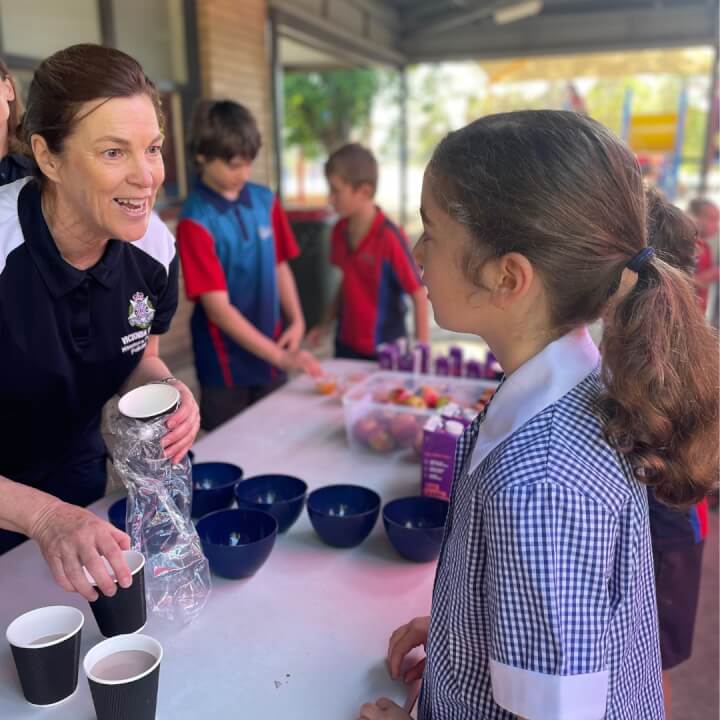
Police serve milk to Horsham students

The Community Grows Tighter 

Horsham Primary School uses the Breakfast Club to assist in breaking down not only personal stigma, but also barriers between the local police and school kids by inviting the local police to come along to help at the breakfasts.  

“When the students meet our team in person, they are sometimes shocked to know that police are nice and just normal people. Unfortunately, some of these kids have only had negative experiences with the Police, and when they see us dancing with them it really helps to see us as people they can trust not fear”, said Leading Senior Constable Linda McLenna from the Wimmera Proactive Policing Unit.   

The Proactive Policing Unit attends the breakfast clubs at both campuses, helping to set up the breakfast and serve the kids. The kids love chatting to the team and they have also been caught dancing to the YMCA!

Breaking Down Barriers 

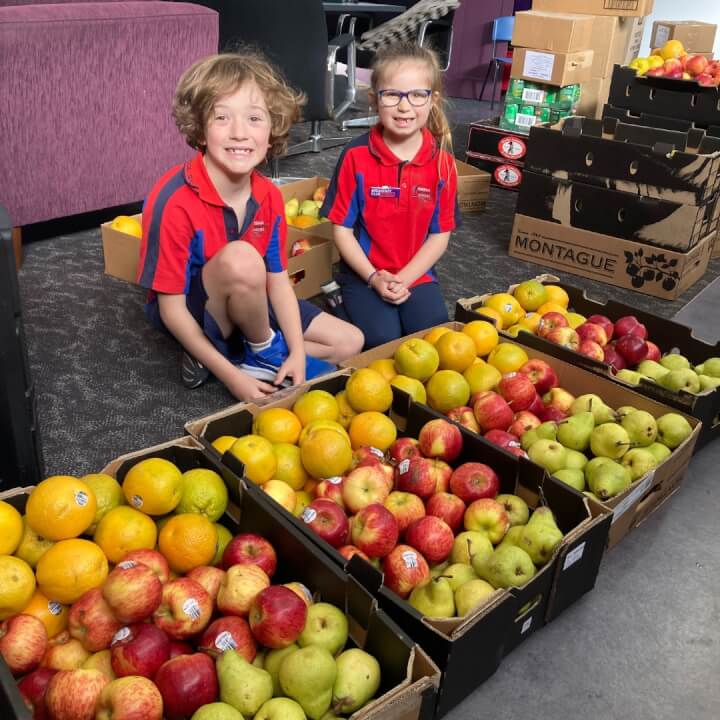
The Breakfast Club offers more than nutritional food, it also provides Horsham Primary an avenue to create a safe space for kids who are seeking responsibly in a community setting.  Brent has created the Wellbeing Warriors, who are kids that he felt would benefit from being part of assisting with the program. The Wellbeing Warriors are provided with a “Helper” badge, and they come into school to help make sandwiches for lunches, sort fruit and vegetables and other roles of responsibility. The badges give the kids a sense of belonging too.   

The kids feel like they are part of something special. The responsibility provided to the Wellbeing Warriors provides the kids with the feeling of being needed, which they might not always get outside of school sadly,” Brent said.

Parent Testimonial 

My name is David.  I am a single father of 3 children who attend the Horsham Primary School and feel so fortunate that the school has the support of Foodbank. 

I have experienced many personal events that are still painful, and my children have been sadly exposed to trauma and this has created confusion, financial loss, accommodation, and food insecurity, not to mention trust issues. 

However, I know through the support of Foodbank and the staff of the Horsham Primary School that my children will be treated fairly, not judged, fed when we are struggling, so school attendance is there haven and gives me the opportunity to return to work with the hope of re-establishing a life and opportunities for my family. 

Having access to the food hampers allows me to feed my children over the weekends and holidays when things are tight and reinforces hope, and once I got over the embarrassment and swallowed my pride accepting support has enabled a positive shift for my children and for myself. I could not be more grateful for the support. 

Tutti Frutti, you bewdy!

We know Australia has a food waste problem, right?

One of the ace things about being Foodbank is that we have some friends in high places with big hearts (Peters and Montague – looking at you). They came up with a tangy, sweet way to tackle the waste issue and raise funds for Foodbank.

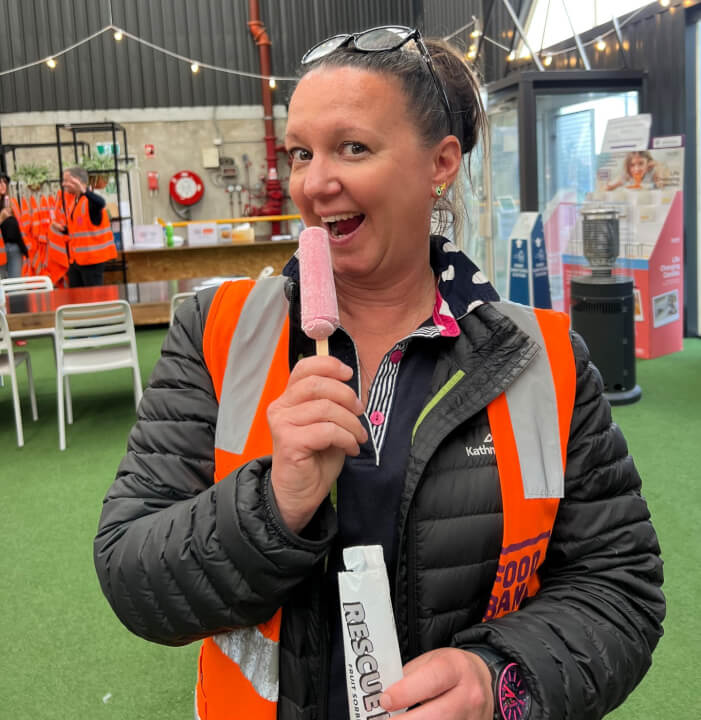
A delicious sorbet stick made from rescued Aussie plums (that would otherwise have gone into landfill) that goes by the delightful name of Rescue Pops – Plums Up.

Our staff were chilled to bits when they got to sample these plummy little treats.

You can get your hands on Rescue Pops at Woolworths Supermarkets.

FBV Rescue Pops

She’s got the whole world in her hands

Ever wondered how quickly we put your gift to work, and what that means for the incredible people who allow us to share their Foodbank stories with you?

We caught up with multi-talented mum Melita who went through such a tough time last year but has started 2023 with a new job and truckloads of positivity – thanks to you.

With support from you and her local neighbourhood house, Mill House Neighbourhood House, in Maryborough who delivers our food, Melita’s Christmas was “fantastic”.

She took her kids Madison and Luke to the beach for a picnic lunch with plenty of fresh food, sunshine and a classic Aussie treat for dessert: icy poles!

At Christmas, I looked in the cupboard, and there was food there. My car was full of petrol, and it was the first time in a long time that had happened. It gave me such a sense of freedom and relief.

Food has transformed Melita’s life. Giving her the energy to complete a community services course and score a brand new job as a health worker.

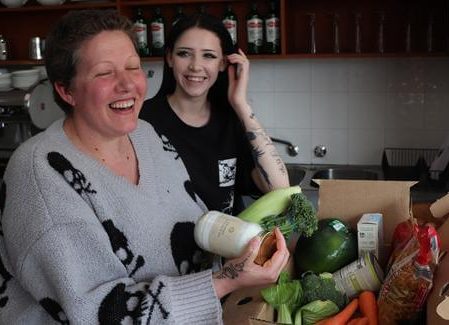
FBV Melita hamper

She also put her artistic skills to work over summer, painting a striking mural at Mill House for her community to enjoy.

Melita loved your Christmas messages:

“I was absolutely lost for words. These people that didn’t even know me, sending me these beautiful messages? I couldn’t believe it.”

Every $1 donated is 2 meals created

Top ATAR* score for our Home Food Packs

Our School Breakfast Clubs Program, in partnership with the Victorian Government, has delivered 30 million meals to students since day one, but once the bell goes the food challenges won’t stay in the playground.

Too many families don’t have enough food to cover meals for dinners, weekends or holidays.

When families need that extra help, we’re there for them. Our School Breakfast Clubs also provide Home Food Packs every day of the school week.

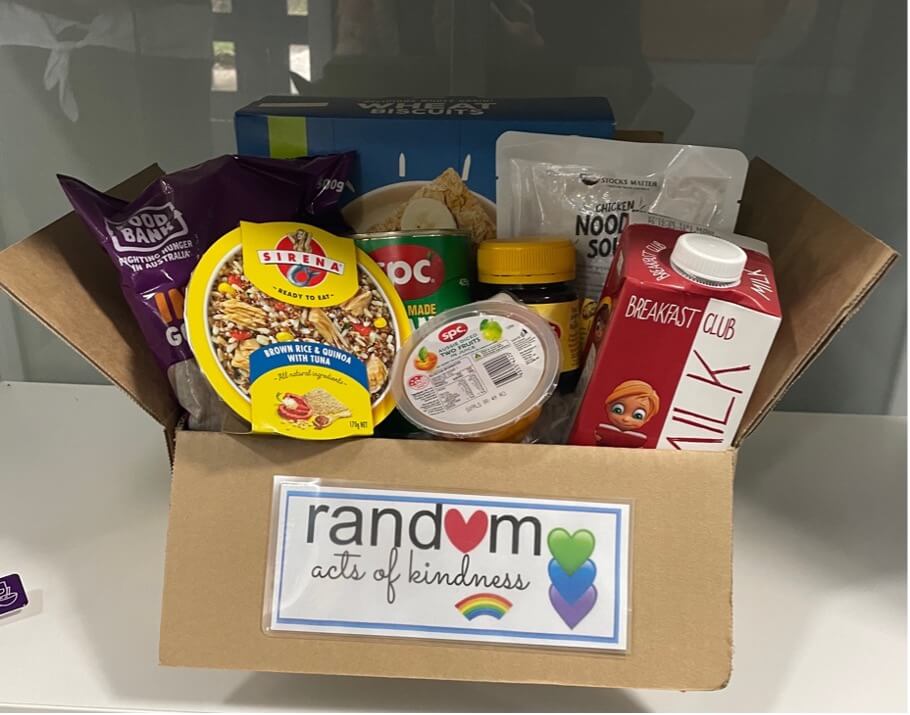
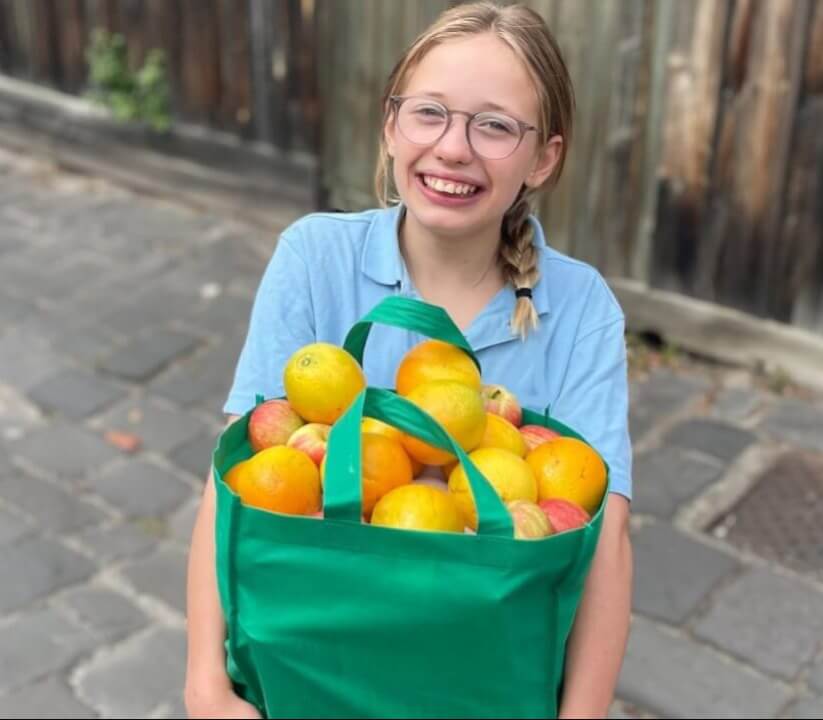
Students choose food their families will love and take it home discreetly in non-branded, reusable green bags.

Demand for the Home Food Packs is increasing each year, with 6,000 taken up in the lead up to Christmas holidays. So, we’ll be working hard in 2023 to get food to everyone who needs it.

*Always There Always Ready (not a real acronym but we wish it were!)

FBV Home food pack

More on the School Breakfast Clubs Program

Cooking classes unite the community

Debney Meadows Primary School is a metropolitan school located in the inner-Melbourne suburb of Flemington with 94 students enrolled. The school prides itself on innovative teaching practices catering to the individual learning needs of every child, and aims to foster and balance the intellectual, physical, cultural and social development of its students.

Debney Meadows is always looking for innovative ways to bring the school community closer together, so when they were invited to join Foodbank Victoria’s Schools Breakfast Clubs Programs Cooking Classes, they were quick to sign up.

The Cooking Class program runs for four weeks, bringing families and students together to learn about cooking with new ingredients as a family.

Debney Meadows Primary School is located close to the Flemington Housing Estate, with many multicultural families attending the school.  The cooking classes provided an opportunity for families to spend time with their children within the school grounds, and even improved school attendance in some cases.

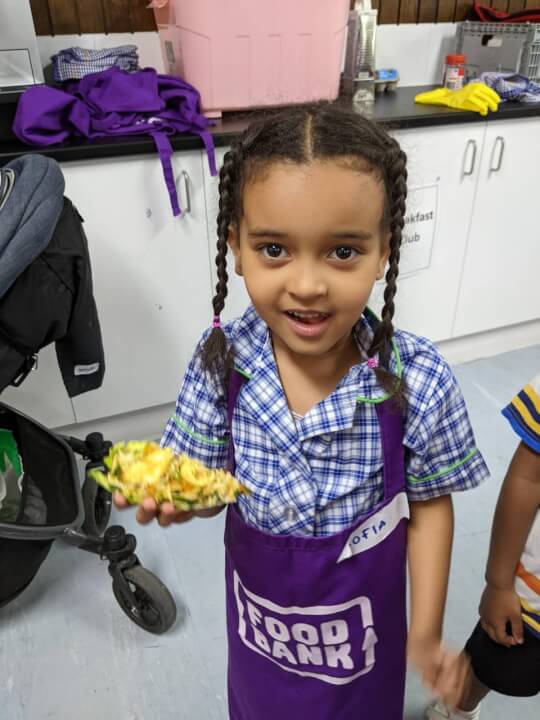
FBV Debney Meadows cooking class student smiling

Marwa Zakzouk, a parent Council Member, said “The cooking classes have allowed these families to learn about new ingredients and food from other cultures, and how to cook them. It’s important for these kids to learn how to cook with their parents, and to be trusted in the kitchen.”

What happens at the cooking classes?

The Foodbank team packs up all the ingredients into the Cooking Class van and heads to the school to lead the cooking classes. Each school has a different space to host the classes, with some classes being held in a staff room with no cooking equipment at all. This helps to ensure schools have no barriers to participate in terms of infrastructure and resources.

Debney Meadows Primary School luckily has a well-equipped kitchen space that was perfect for these classes. The families involved spent four afternoons gathered around the kitchen benches ready to cook.

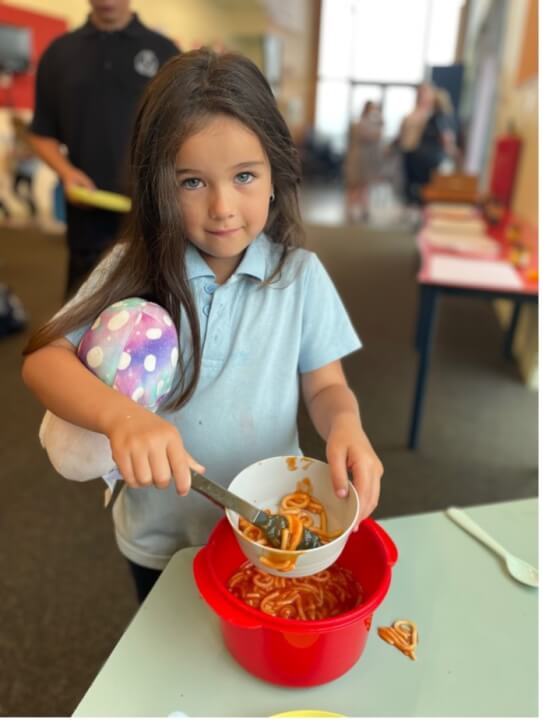
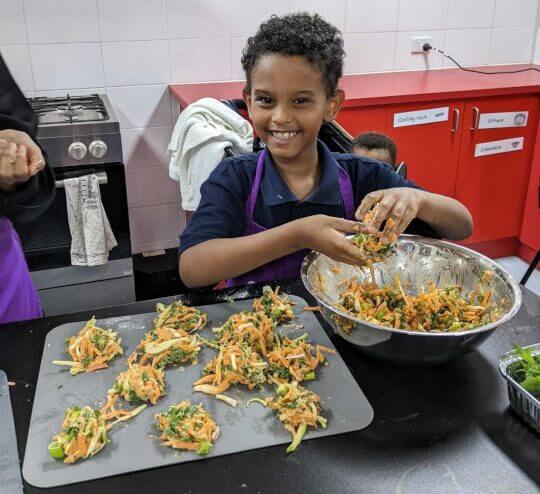
Each week a group of families, one parent and one or two students, learnt how to cook a new recipe. The classes encouraged the kids to learn about using cooking equipment safely, and they loved having the opportunity to chop vegetables while their parents are watching closely.

FBV Debney Meadows cooking class student showing the food

Education at its best!

The Cooking Classes provide a hands-on way to learn important life skills, that some students do not have the opportunity to learn at home. The families participating not only learn cooking skills, they also learn about nutrition and safe food handling.

One of the kids’ favourite part of the program is the white bread handling test. The kids test three pieces of bread. One is handled with unwashed hands, one is handled after washing hands and the other is handled with clean tongs. Each piece of bread is then placed into a bag and left for the next week. The students then review the bread at the next class, assessing the mould levels. There are lots of gasps when the kids see the difference in mould level between the dirty hands and the clean tongs! Reinforcing the importance of hand hygiene when cooking and preparing meals.

These hands-on practical teaching methods, along with pictorial recipes (visual recipe to cater for diversity in language and literacy) resonate with the families and children alike, especially as 89 per cent of Debney Meadows Primary School school families have English as an additional language.

The kids love the food!

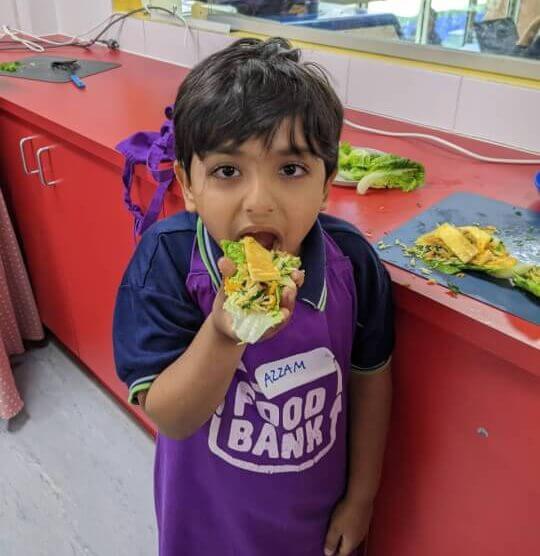
The recipes and ingredients used at the Cooking Classes are often new to the participants. This adds new weekly meals that the families can continue to cook, and food that the kids love to eat. The classes have shown that if they kids are involved in the cooking, they tend to love the food they make and be more adventurous with trying new things, especially the veggie-packed recipes

FBV Debney Meadows student eating delicious food

Families receive free food hampers at our Drive Thru

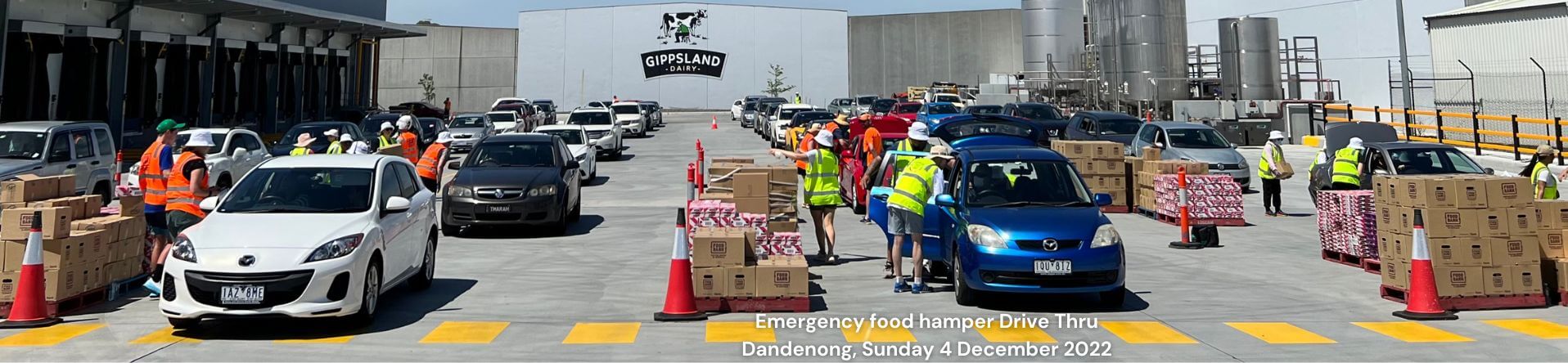
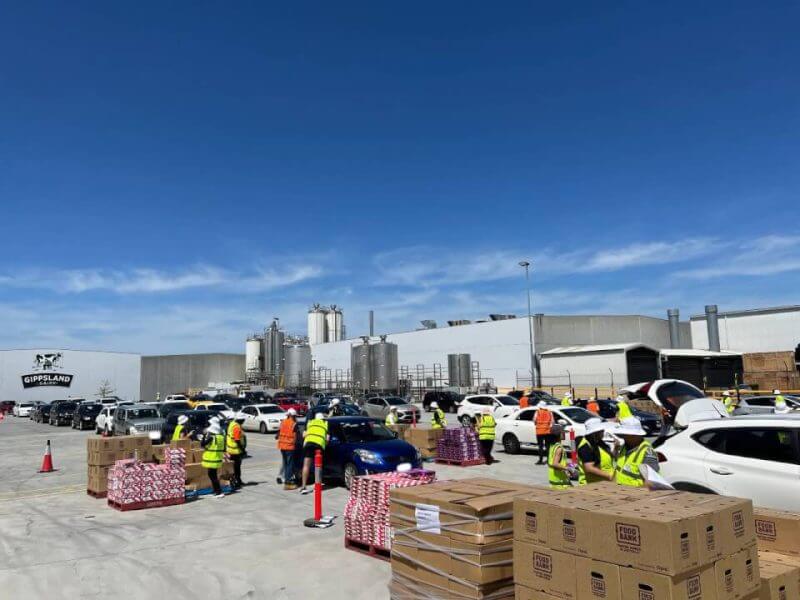
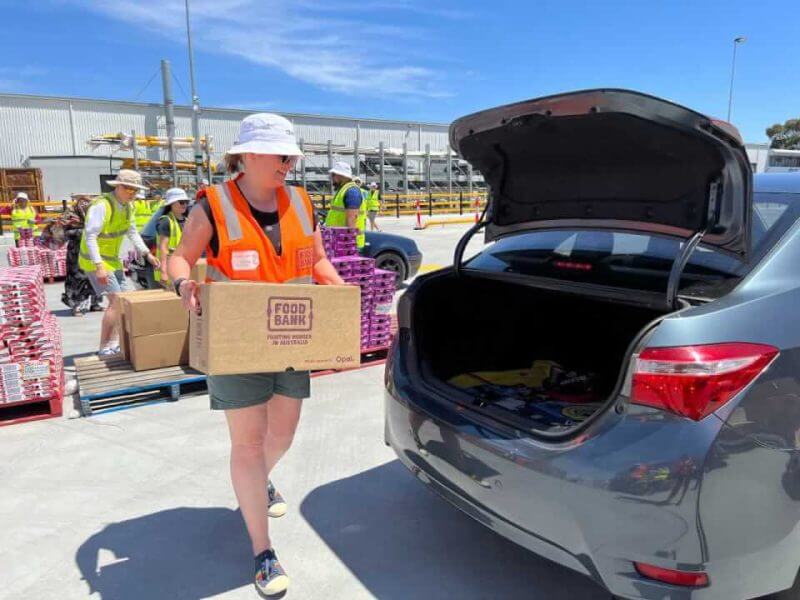
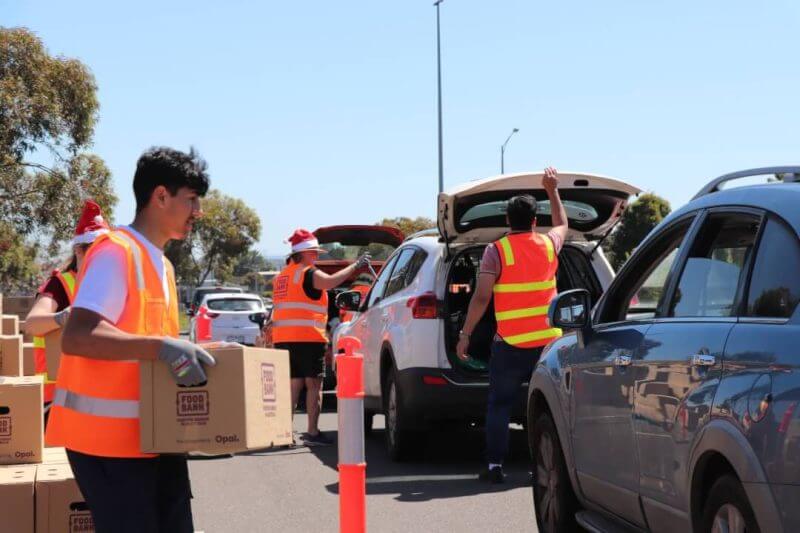
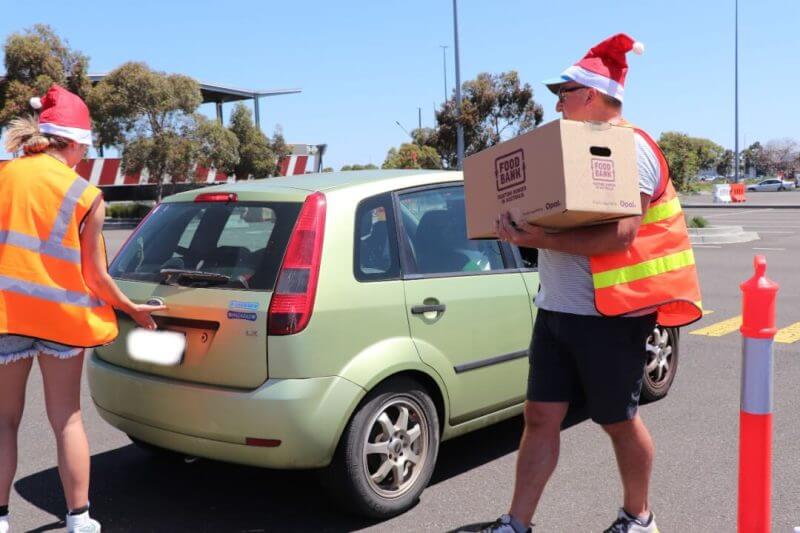
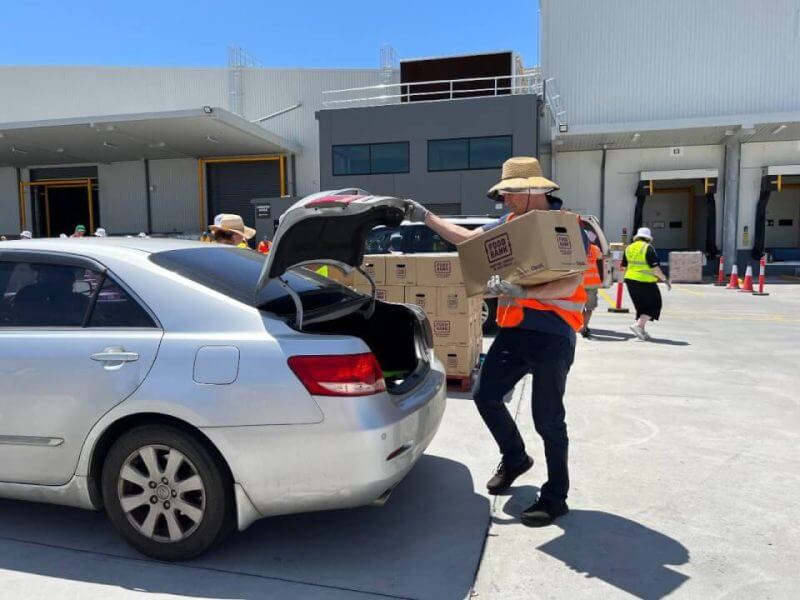
With food, rent, energy costs and interest rate rises continuing to push more Victorians into severe food insecurity in the lead-up to Christmas, we ran an emergency public Drive Thru on Sunday, 4 December.

We had 1,600 cars come through the Drive Thru sites in at the in Epping and Dandenong to receive free hampers with fresh food and pantry staples. No questions asked.

Thanks to an incredible effort from our staff and volunteers, and Chobani and Melbourne Market staff, we were able to provide hampers to Victorians doing it tough.

Three School Breakfast Clubs and much more!

Manor Lakes is a suburb in Melbourne, 33km south-west of Melbourne’s Central Business District, located within the City of Wyndham local government area with a population of 12,675.

Manor Lakes P-12 College opened in 2009 and is built on a large site, combining Primary and Secondary schools and including a Supported Learning Centre. There are around 3,000 students enrolled at the school, split evenly between Primary and Secondary.

The College is committed to improving learning outcomes and pathways for their students and is committed to the ongoing creation of a community of responsible learners who have a belief in their ability to learn and succeed.

The School Breakfast Clubs Program has become an important part of achieving these commitments, providing students with healthy food to support better learning outcomes and a sense of community with the provision of Home Food Pack Hampers for families in the school community.

FBV Manor Lakes SBCP Women serving

Breakfast Clubs catering to different audiences

The sheer size of Manor Lakes College provides the unique challenge of catering to different school sectors with specific requirements. Bec Collins, Community Connections Manager said, “We need to accommodate the different needs of each area of the school. The Primary School Breakfast is served at a window and only offers grab and go items and the Secondary program is in our community centre with a combination of grab and go and other make-yourself and self-serve items. Our supported learning centre breakfast is set in a kitchen where the students have more autonomy to choose foods, preparing the food themselves in the kitchen.”

Manor Lakes wants to ensure that the Breakfast Program is not just providing food to students, but also provides a sense of community within the school. To achieve this the College invited the local Community Police to attend a Primary School Breakfast Club, with the objective to build the relationship with the students and their local police patrol. The kids loved meeting the Police up-close, and in such a positive environment.

FBV Manor Lakes kids in their uniform and two police officers all smiling

Hamper Project run by the kids

The Manor Lakes school community is always top of mind for Bec Collins. When a Supported Learning class was looking for a volunteering project to complete a school assignment, Bec had the solution!  The class could not find the right project within the community, so they decided to take control of planning, developing and delivering Home Food Pack Hampers for the school community.

“We gave the kids full control of the Hampers,” said Bec. “They had to plan how to manage the project, order the food, pack the Hampers, develop marketing material to tell the school about the free Hampers and finally deliver the Hampers directly to the families.”

The Hamper project, which the class called Helping Hampers, provided the class with a myriad of learning opportunities, including:

  • Planning
  • Creating a name for the project
  • Mathematical order projections
  • Marketing collateral copy writing
  • Marketing collateral design (posters, flyers, Facebook posts)
  • Group work when packing the Hampers, determining roles
  • Recipe card development
  • Quality control
  • Delivery coordination (location, setup and rostering)
  • Communication skills directly with families.

The class project was very successful, providing around 250 Hampers to families in need from the school community. The school families loved receiving the free Hampers and are hoping the class will run the project again. The families also loved the recipe cards that the class put into the boxes, giving them ideas on how to use the food provided. Well done Manor Lakes!

FBV Manor Lakes SBCP Hamper packing 1

Feedback from the school community

Parents:

“It’s a great place for my son to make friends with other children who aren’t in his class.”

“If my daughter is running late in the morning, it’s great to know she can grab breakfast at school.”

“Sometimes things at home are really tight for food, and this takes the pressure off at times.”


Students:

“We love the toast and milk!”

“I love coming and getting breakfast with my friends.”

“I love vegemite toast, it’s my favourite.”

“I don’t have time at home to have breakfast, so it’s good to be able to eat when I get here.”

“I get to school really early and I like to have something to eat.”

“This year, Christmas is a luxury we can’t afford” – Melita.

Melita vowed to give her kids everything she never had, after having a terrible start to life when she was abandoned by her own mother as a young girl and lived a life of abuse and neglect.

But with ever-increasing costs and doing it all on her own, things are just too tough. And it’s not like she isn’t giving it her best.

Melita is a go getter. She is always trying to make life better for her kids. She wants to set a good example for them and break the terrible cycle of abuse and poverty that she’s experienced. But with prices sometimes doubling for things we all consider ‘the basics’ she’s struggling.

Every day, the hardest part of that struggle is not being able to put enough food on the table for her children.

“I cried in the supermarket and hid my face in the packets of flour… thinking ‘please don’t recognise me’ because I couldn’t , no matter how much I tried, adjust my budget. I couldn’t get everything we needed,” Melita, Foodbank Recipient.

This Christmas will be particularly tough for Melita. She is already dreading what most would consider a special day.

There’ll be no gifts for her kids – that’s a given. But there will also be no fancy lunch. No chocolates or lollies in the stockings. No treats at all – just the basics to get them through.

Thousands of mums, just like Melita, are questioning whether to celebrate at all – because they simply can’t afford to.

Christmas shouldn’t be considered a luxury people simply can’t afford. Sadly, so many families are thinking this way with just weeks until the big day.

Melita holding bills

Of course, like all loving parents, Melita tries to keep the struggles of filling the pantry away from her kids. She doesn’t want them to have the same worries that she has – but her daughter Madison has started to notice.

“I can pick up what’s going on… I realise ‘Oh, mum seems really stressed out today.’ It breaks my heart because I know she’d do anything for us,” Madison, Melita’s daughter.

It’s hard to even imagine the stress of mums like Melita, trying to figure out how to keep their kids’ tummies full. Melita’s son Luke has less than fond memories of some of the meals she has rustled up in the past.

Potato mash for a week straight wasn’t particularly popular. Pasta dishes with no sauce weren’t a favourite either. But they know that their mum, just like thousands of other mums and dads throughout Victoria, is doing the best she can.

With Foodbank by her side, Melita is working hard to make life better for her and her kids. She has already completed her Diploma of Community Services and is again looking for work. With support from people like you, Melita has been able to access food – without judgement, and more importantly, without that knot in her stomach wondering how she will feed her kids. She can focus on moving forward and not being stuck in a rut.

“That’s why I like the Foodbank trucks so much because you don’t have that stigma attached to it. It feels more like a community get-together,” Melita said.

FBV XMAS22 Melita receives hamper from Foodbank

Be an angel at the table this Christmas

a group of cyclists during Hunger Ride March 2022

Not just another ‘blokes on a bikes’ gig!

When Foodbank held its first Hunger Ride in 2018, the organisation was feeding 140,000 Victorians a month. Cue the pandemic, bushfires, floods, and the worst cost of living crisis in two decades and it’s now feeding 100,000 every two days.

That’s why Tour de France yellow jersey winner Simon Gerrans is set to lead 27 cyclists on the ride of their lives up Mt Buffalo on November 19 to help raise urgently needed funds for food relief.

Gerrans, along with SBS Tour de France commentator Matt Keenan, and executives from big-hearted Victorian businesses, has been motivated by what’s happening in this state.

“You don’t ride 184 kms with 21kms of that grinding up Mt Buffalo unless you’ve got a fire in your belly,” says Gerrans. “When 365,000 Victorian kids are living in homes where there’s not enough food, those kms aren’t so tough knowing you’re raising money to feed them.”

Foodbank CEO Dave McNamara knows the riders are feeling a heightened sense of urgency. “Victorians are going through such a tough time, and having these businesses pushing themselves on their behalf, is going to help expand our capacity to relieve some of that pressure. They’re inspirational, really.”

Major sponsor Bennelong Funds Management is involved once again with global CEO Craig Bingham more passionate than ever about why the ride is not just another date in the calendar. Bingham, who is also the Chair of Cycling Australia, has been hands on from the start, working with Foodbank on every aspect from planning to saddling up for the gruelling event course.

“Foodbank has set a challenge for the seven teams to raise 32,000 meals each” explains Bingham. “We know their colleagues are right behind them, but any extra help from the wider community is going to pump up the volume Foodbank can deliver. If every cyclist in Victoria donated just $1 to any of our riders, we’d raise over four million meals for people in need…which would be incredible.

SUPPORT THE HUNGER RIDE

Check out the highlights from The Hunger Ride in March 2022 below!

Millions of households struggling to put food on the table 

Foodbank Hunger Report 2022 Cover Page

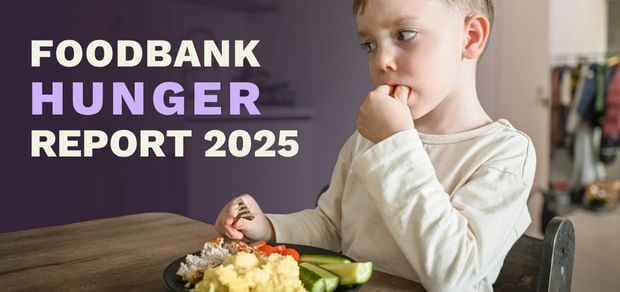
Monday 17th October 2022, SYDNEY: On any given day, over half a million households in Australia are struggling to put food on the table, and disturbingly, those with children are being hardest hit.

Released today, the Foodbank Hunger Report 2022 reveals alarming details surrounding the food insecurity crisis the country is facing.

More than 2 million households in Australia have run out of food in the last year due to limited finances, sometimes skipping meals or going whole days without eating. This has meant that 1.3 million children lived in food insecure households during that time.

Unsurprisingly, the rising cost of living is the most common reason why so many are struggling to meet their household food needs, with the cost of food and groceries confirmed as the top cause followed closely by energy and housing costs.

Assumptions that this is affecting only those who are unemployed or homeless are incorrect with the research showing that over half of food insecure households had someone in paid work and a third of households with mortgages have experienced food insecurity.

Foodbank Australia CEO, Brianna Casey, has witnessed the rise in demand for food relief services over the past year, but even she was shocked by the troubling picture of today’s Australia exposed in the report.

“We know how important it is for people to have access to nutritious food, yet the rising costs of energy, fuel, groceries, rent and mortgages have put this fundamental need beyond the reach of more and more people with no respite in sight,” said Ms Casey.

“These results should make everyone stop in their tracks. The numbers being reported are massive and hard to process, but they represent the harsh reality of living week to week when the cost-of-living crisis collides with an income crisis and the household budget now lists food as a discretionary spend,” said Ms Casey.

Foodbank Hunger Action of Distributing Foods

The report signals that the problem is only set to get worse with half of all households experiencing difficulty saying that being unable to afford food is happening more often.

The food relief charity is hoping that next week’s Budget will deliver positive change.

“We have heard the Treasurer caution that the October budget is not the time for new spending measures to deliver relief to struggling families, but with more than a million people a month already seeking food relief, if not now, then when?”

KEY STATISTICS

  • On any given day, over half a million households in Australia are struggling to meet their food needs.
  • Households with children are being hit harder than others (32% severely food insecure in the past year vs a national average of 21%) and single parent households are the worst of all (37% severely food insecure).
  • The rising cost of living is the most common explanation for why people are failing to meet their household food requirements (64% of food insecure households). Unpacking this, the cost of food and groceries is the top cause (49%), followed closely by energy (42%) and housing (33%) costs.
  • Over half of food insecure households (54%) had someone in paid work.
  • Nearly a third of households with mortgages (30%) have experienced food insecurity in the last year. The situation is even worse in regional areas (36% vs 27% in metro areas).
  • On a typical day, 306,000 households are receiving assistance from food relief organisations.

METHODOLOGY

This report presents key findings from the Foodbank Hunger Survey, which was conducted between 11 and 28 July 2022, through an online questionnaire of 4,024 people in Australia aged 18 years or older. The sample was nationally representative by age, gender and location (capital city / rest of state) in each major state, with stratified quotas to ensure all major states have a robust minimum sample size of n=600 or above. The data was weighted to nationally representative proportion of age, gender, state and location (capital city/ rest of state).

The term food insecurity covers a range of experiences – from being uncertain about getting enough food and compromising on nutrition right through to disrupted eating patterns and reduced food intake.