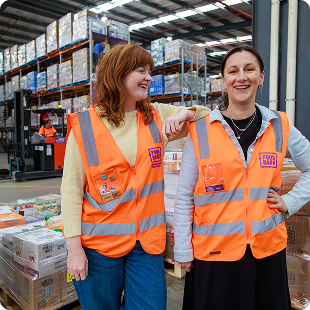

Alex Holt

A moment with Alex Holt

What does your partnership with Foodbank mean to Woolworths from a sustainability perspective?

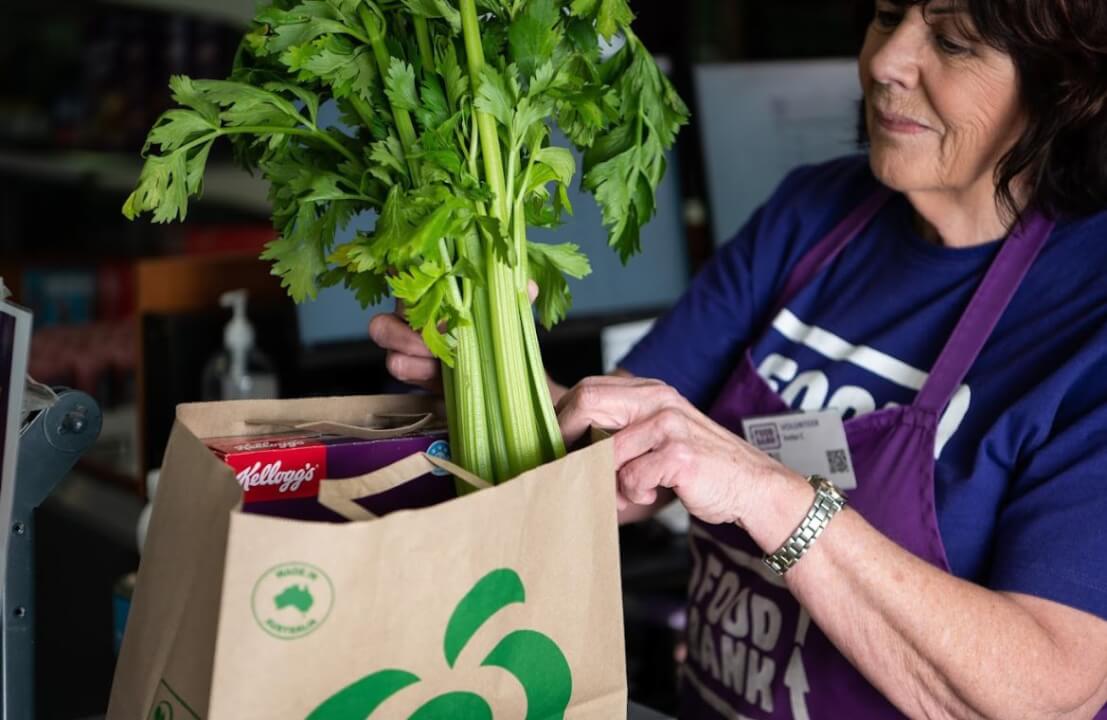
Woolworths has partnered with Foodbank for more than 20 years and it is an incredibly important partnership for us. The link to sustainability through food rescue is a key driver behind our partnership. As the largest food retailer in Australia, it’s important we are rescuing as much food as possible from landfill. The role Foodbank plays in rescuing food from our distribution centres is critical, as without them it would be incredibly difficult to deliver large quantities of food to those who need it most.

Throughout our 20 years of partnership, more than 46 million meals have been given to people in need as a result of the resources and donations provided by Woolworths, as well as the generous donations of our customers. In 2022 alone, Woolworths donated the equivalent of more than 3.7 million meals, 212,000kg of essential grocery items and more than $1.7 million in donations which helped source essential food and grocery relief. Most importantly, the food we are rescuing is being used to support millions of Australians experiencing food insecurity – so the more we rescue, the less food in landfill, and the more people have access to food! It is such a positive circular loop. Our food waste partnerships are the most important sustainability program to our supermarket shoppers.


The Woolworths and Foodbank relationship has grown significantly over the years, with Woolworths being Foodbank’s biggest donor for the last four years in a row! What opportunities do you foresee for the partnership in the future?

So many opportunities! The top 5 we see are:

  1. The Hunger Report is such an important tool for the industry. It now provides hunger mapping which we believe will help maximise our support for Foodbank in locations we know over-index in hunger.
  2. Breakfast Programs. It is increasingly important that kids are not hungry at school, and are supported to learn to at their full potential. We are very keen to do more in this space with Foodbank in the future because setting kids up with a nutritious breakfast is proven to be the best way for them to start the day.
  3. Working hand in hand with our joint partners and suppliers. The recent April Foodbank campaign was a great success and we want to continue using our network of partners to maximise our impact on food insecurity.
  4. Leveraging Woolworths Group knowledge and expertise across our systems, digital technology, supply chain and Everyday Rewards program to better connect with people who might be doing it tough.
  5. How do we work together to take the stigma out of food relief:

Foodbank does a very good job at making Australians more familiar with the changing face of food insecurity in Australia. The more we can talk about hunger and who experiences it, the better we can help reduce the stigma and encourage more people in need to connect with hunger relief providers.


We are grateful to have you on our board, what does it mean to you?

From an early age my mum instilled in me a deep-seated passion to have a positive impact on people. I have experienced and seen first hand the benefit that food relief can provide for people. As a community, we still have a long way to go in addressing inequality and the work that the Foodbank team members do every day to support people with food relief is inspiring. I feel so lucky to be a part of the amazing Foodbank team and the work they do.

3 MILLION MEALS FOR AUSTRALIANS IN NEED IN 2023

MasterFoods Foodbank Donations

15 May 2023,

Mars Food Australia has pledged to double its food donation in 2023, aiming to help provide a total of three million meals to support people in need across Australia.

The majority of the meals will be donated through the Foodbank Collaborative Supply Program which will run for the third year. This initiative sees Mars Food produce regular, dedicated MasterFoods, Dolmio and Kan Tong cooking sauces for the food relief organisation. It is delivered in partnership with six of Mars Food’s ingredient and packaging partners who donate their products and service – Cheetham Salt, Huhtamaki, Ingredion, Kagome, Visy Board and Visy Glass.

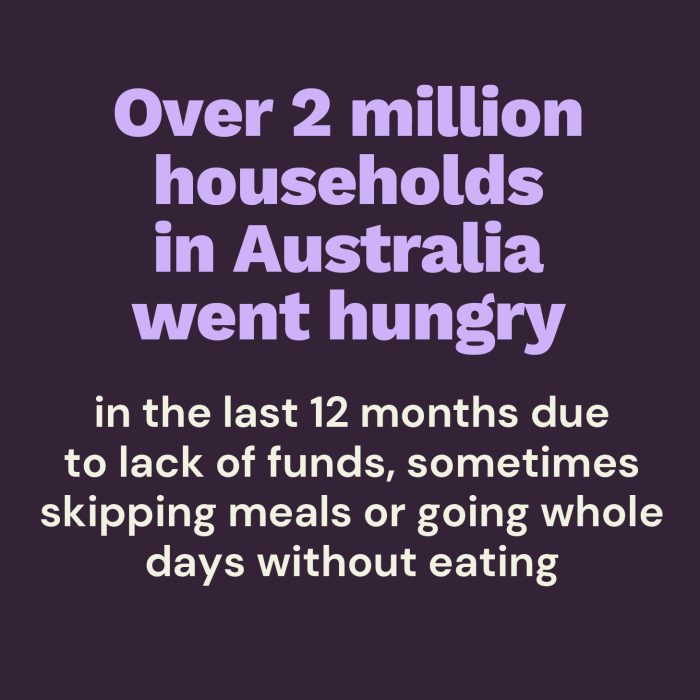
Foodbank Australia CEO, Brianna Casey, said more than two million households in Australia (21%) have experienced severe food insecurity in the last 12 months, according to the Foodbank Hunger Report 2022.

“On any given day in Australians more than half a million households are struggling to put a meal on the table. Sadly, Children are being hit hardest with 1.3 million children living in severely food insecure households,” Ms Casey said.


“This fantastic collaboration with Mars Food Australia enables our warehouses across the country to have a steady supply of key staples. Generally, at Foodbank we work with a ‘surprise chain’ – relying on ad hoc donations and unpredictable food rescue opportunities – but with programs such as this, we can work with a predictable and reliable ‘supply chain’.


“These products from Mars Food Australia were chosen for their ability to help create tasty, nutritious and easy to prepare meals with commonly available ingredients,” Ms Casey said.

Brianna Casey Foodbank Australia CEO (15)

Bill Heague, Mars Food Australia’s General Manager, reflects on the third year of the Collaborative Supply Program.

“A better world tomorrow is one where no one needs to use a food bank. However, sadly, that is still not a reality for many Australians today. We are proud of our ongoing partnership with Foodbank to support the work they do to support individuals and families who are struggling with food insecurity and going through difficult times.


Bill Heague Mars Food Australia General Manager

“We started the program in 2021 at the height of the COVID-19 pandemic with an ambition to help provide 600,000 meals to Australians in need, and last year we doubled that figure to 1.5 million. As we enter the third year of our program, we are setting a bold ambition to again double that donation as we aim to help provide three million healthy meals. None of this would be possible without our supplier partners and we are grateful for their ongoing support and contribution to make a difference to Australians in need.”

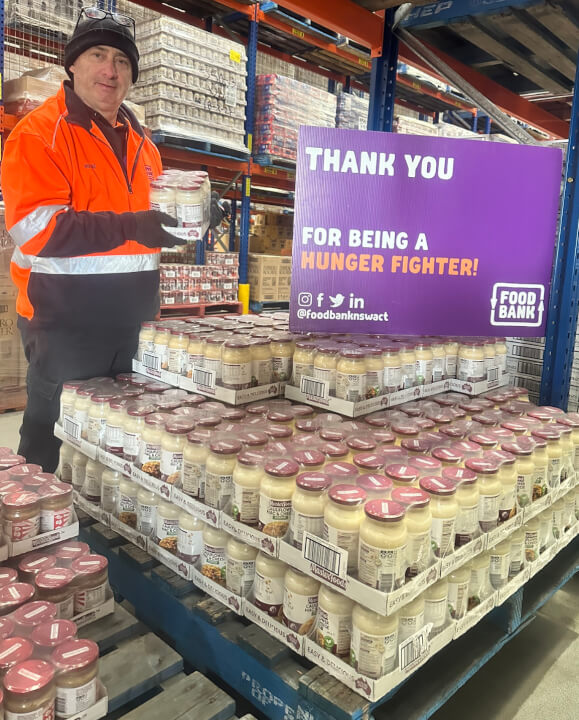
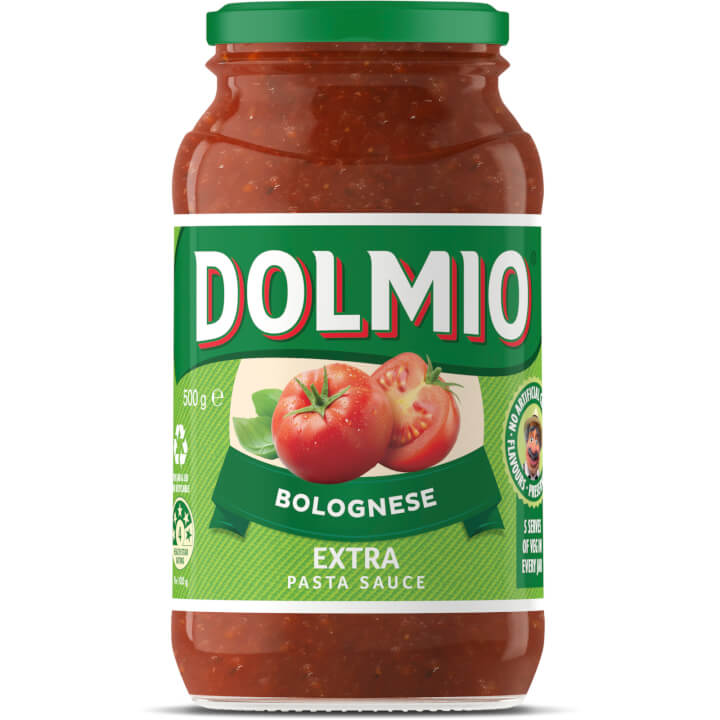
Dolmio Bolognese

Mars Food Australia is providing guaranteed quantities of five of their most popular mealtime products to Foodbank:

  • DOLMIO® Bolognese
  • KAN TONG® Honey Soy Garlic Sauce
  • MasterFoods® Satay Chicken Stir Fry Recipe Base
  • MasterFoods® Beef Stroganoff Recipe Base

MasterFoods® Butter Chicken Recipe Base

Food Relief Sector misses out in budget

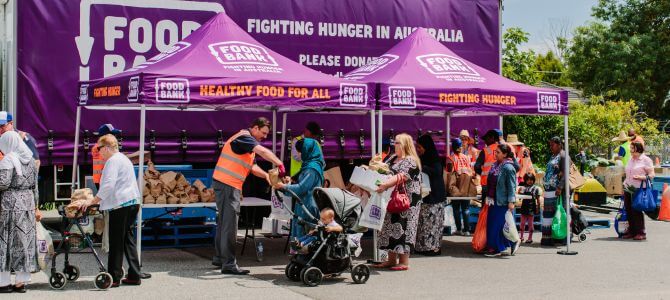
FBV (670 x 300px)

SYDNEY, Wednesday 10th May 2023: Australia’s largest food relief organisations (Foodbank, OzHarvest and SecondBite) have collectively expressed their disappointment in the Federal Government’s decision not to increase funding to the food relief sector as part of its suite of Budget measures to alleviate cost of living pressures.

The sector had requested an annual Federal Government commitment of $45m per annum to ensure food relief is available to those experiencing food insecurity all year round. It had also requested the establishment of rapidly disbursable, stand-by funding to assist with natural disasters mitigation, preparedness and resilience – both requests have gone unanswered.

OzHarvest CEO, Ronnie Kahn AO says the increase in the number of people being impacted by cost of living pressures has been mirrored by an unprecedented increase in the number of people seeking urgent assistance from food pantries and other frontline charities – many for the very first time.

“This budget presented an opportunity for the Federal Government to address the historic underfunding of the food relief sector and hand down a wellbeing Budget that prioritised the most vulnerable in our communities. It is devastating that despite the record increase in demand for food the government couldn’t find any money in the budget to assist the sector to expand its work so less people go to bed hungry” said Ms Khan.

Foodbank Australia CEO, Brianna Casey, says the food relief sector acknowledges and welcomes the increase to the rates of JobSeeker and related payments, but not a single cent was allocated to food relief.

“The cost of living crisis has forced people to make impossible choices about where their last dollars go each week, and for many, food has become a discretionary item in the household budget. It is galling that in a surplus budget no extra money could be found for food relief,” Ms Casey said.

With the increased cost of housing, food and groceries, energy and other essential services leading more and more people to food relief charities, this budget presented an opportunity for the Federal Government to ‘leave no one behind’.

SecondBite Acting CEO, Lucy Coward says the sector has been a key player in the provision of nutritious food to hungry Australians, as well as playing an integral role in the distribution of food to communities impacted by natural disaster and the pandemic over the past few years.

“Collectively we are unable to meet all the demands for food relief from the community, with rising input costs also impacting frontline charities and food relief providers, making it harder and more costly for us to reach the growing number of people in need of support,” said Ms Coward.

The sector calls on the Federal Government to work together with the Food Relief sector over the coming 12 months on meaningful ways to meet the increasing demand for food relief, and better ensure we are prepared and able to act promptly in response to future disasters across our community.

SUNNY QUEEN IS ‘EGG-STREMELY’ PROUD TO HAVE PARTNERED WITH FOODBANK AND MAJOR RETAILERS TO HELP RAISE FUNDS TO FEED AUSSIES IN NEED


28 April 2023

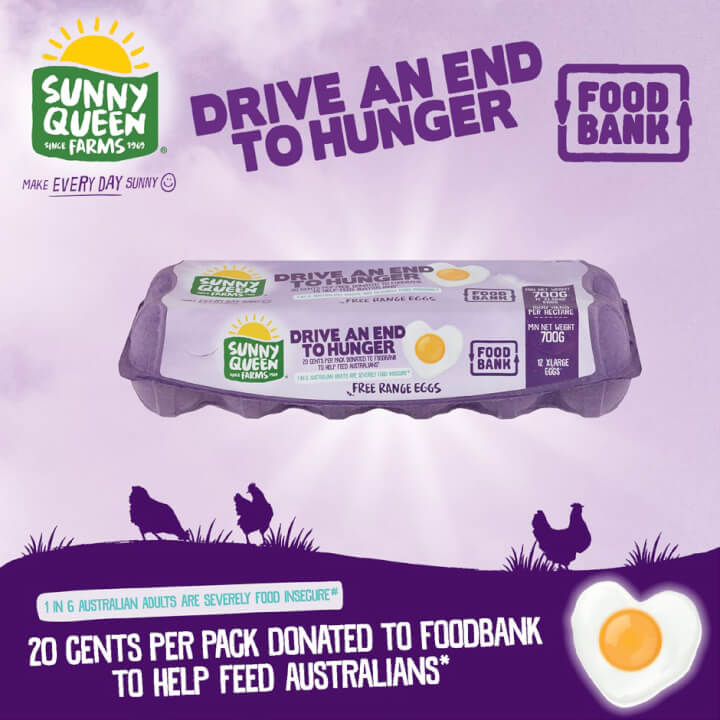
Australia’s favourite smiley-faced eggs and Foodbank Australia are proof of the power of an ‘egg-ceptional’ partnership, their joint ‘Purple Egg Pack’ campaign having raised enough money in six months to provide 184,738 meals to families in need.

The product cracked the market last June with a percentage of proceeds from every carton sold at supermarket major outlets across Queensland, Victoria and New South Wales being donated towards Foodbank.

“We are egg-stremely proud to have created a Purple Foodbank Egg Carton for a very special purpose,” said Isabelle Dench, Head of Marketing of Sunny Queen Australia.

“To have provided over 184,000 meals for a cause that really matters in the first six months of the campaign is so incredible. We’re egg-cited to continue the partnership and provide even more meals by the end of the year,” she said.


SQA Egg Pack Campaign Post 1

The funds raised were handed over to the Foodbank team at a morning tea today, Friday, April 28.

“We are so grateful for our partnership with Sunny Queen who have supported Foodbank since 2018,” said Foodbank Australia CEO Brianna Casey.

“I have loved seeing the purple Sunny Queen Egg cartons in my local supermarket and this result is truly amazing and will make such a different to the lives of many doing it tough right now.”

To buy your own Purple Egg Pack, head to your nearest major retail outlet.

Woolworths and Foodbank partner with suppliers to help provide up to 1 million meals for Australians facing food insecurity.

Wednesday, 26 April 2023: A new campaign supporting one of Australia’s largest providers of food relief, Foodbank, has launched in Woolworths supermarkets.

From 26 April 2023 until 16 May 2023, donations from customers and brands of participating products including Arnott’s, Sanitarium, Dolmio, Vetta, SPC, Pauls and Kraft Heinz will help Foodbank provide meals to Australians in need, with a goal of raising enough funds to provide 1 million meals.

Customers will be able to donate to Foodbank during the first two weeks of the campaign by rounding up their shop in store, or can choose to donate their Rewards dollars directly to Foodbank via the Everyday Rewards app.

Foodbank is facing increased demand for support, with its latest Foodbank Hunger Report 2022 revealing over 2 million households across Australia have experienced food insecurity in the last twelve months. The day-to-day reality of food insecurity they’re seeing differs greatly between households, and on a typical day there are over 306,000 households in Australia receiving assistance from food relief organisations.

Woolworths2

Brianna Casey, Foodbank Australia CEO, said:

“We are seeing more and more Australians reaching out for help. These are people with jobs, double incomes, mortgages who are just struggling, like many of us with the cost of living.

“Foodbank provides food relief to more than 1 million Australians a month and, thanks to Woolworths, its generous customers and these wonderful brands participating in this campaign, we will ensure we support as many of those in need as we can.”

Woolworths has partnered with Foodbank for more than 20 years. Throughout this time, over 46 million meals have been given to people in need from the resources and donations provided by Woolworths, as well as the generous donations of Woolworths customers. In 2022 alone, Woolworths donated the equivalent of more than 3.7 million meals, 212,000kg of essential grocery items and more than $1.7 million which went to sourcing essential food and grocery relief.

Woolworths Supermarkets Managing Director, Natalie Davis, said:

“We know there are an increasing number of Australians facing food insecurity at the moment. Foodbank continues to support these communities with compassion everyday, and we hope the support of this campaign can help them put even more meals on tables heading into winter.

“At Woolworths, we’re proud to continue supporting Foodbank as one of Australia’s largest providers of food relief. Over the years we’ve seen communities rally together during challenging times, and a little good can add up and have a huge impact on the lives of thousands. Through our partnership, and together with the generosity of both our customers and suppliers, we can all contribute to making a difference.”


For more information about participating products and donations, head to the Woolworths website.

Every $1 will help provide 2 meals

Food relief sector call on the federal government to address historic underfunding in midst of the rising level of demand for food.

Foodbank highres 143

Thursday 16 February, 2023

Australia’s major food relief organisations OzHarvest, Foodbank and SecondBite are calling on the federal government to address historic underfunding of the sector to ensure it can address the ever-rising levels of demand for food relief.

OzHarvest’s Founder and CEO, Ronni Kahn AO, said despite multiple submissions to the federal government over years, base funding has not increased.

How many more people need to be hungry before this issue gets attention? Most of the charities we support do not have enough food to meet demand and we still have 600 on the waiting list. Food insecurity is a problem that is not going away.

Foodbank Hunger Report 2022 revealed a shocking picture with over 2 million Australian households experiencing food insecurity last year.

Foodbank Australia CEO, Briana Casey, said demand for food relief continues to increase,

We are seeing more and more everyday Australians reach out for help. These are people with jobs, double incomes, mortgages but the cost-of-living crisis is impacting them too and many find themselves asking for food relief for the first time. On a typical day, half a million households are struggling to put food on the table and we know only 306,000 households access food relief. This is a gap that is growing, and we need federal support to fill it.

Australian Food Relief Sector preparing fruits

SecondBite Acting CEO Lucy Coward said increasing mortgage repayments, rent rises, energy and food prices are squeezing people’s budgets and they are seeking help from charities in unprecedented numbers across Australia.

The food relief sector has never seen demand rising at such a pace. We’re hearing stories of elderly people prioritising their pets over themselves and parents going without so their children can go to school with food in their lunchbox. The federal government must increase sector funding as a national priority.

Last year, 1.3 million children lived in severely food insecure households, but the federal government only allocated just over $2 million dollars to the food relief sector. That’s less than $2 per child for the year without factoring in the hundreds of thousands of adults also experiencing food insecurity.

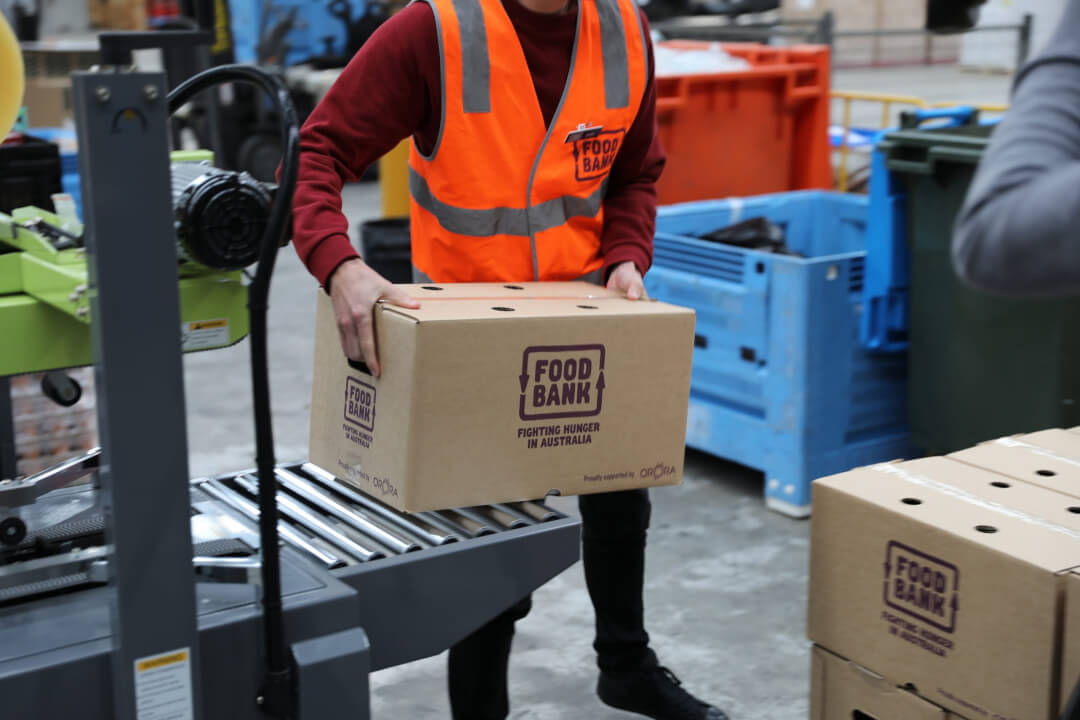
Foodbank VIC staff carrying a foodbank box of food donation

Together OzHarvest, SecondBite and Foodbank are calling on the federal government to invest $45m annually so that food relief can be made available to all vulnerable Australians every day of the year.

While governments have stepped up to provide emergency funding in response to natural disasters and the pandemic, the food insecurity crisis is just as much of a national emergency and needs an urgent long-term financial commitment to solve. Band aid solutions are not helping the hundreds of thousands of Australians in desperate need.

Furry friends not forgotten when times are tough 

Wednesday 30th November,2022: With the cost of living crisis affecting more and more people with every week that passes, households with pets have emerged as more likely to be experiencing food insecurity.  

The Foodbank Hunger Report 2022 highlighted that on any given day, more than half a million households are struggling to put food on the table. Of those, 67% have pets, meaning they are not only struggling to feed themselves, but also their pets. 

Today, Foodbank launched its inaugural Foodbank Pet Care Day to acknowledge and thank the generous donors in the pet care industry who ensure the food relief organisation can offer pet food and pet care products for food relief recipients’ furry friends so that no-one – including a treasured pet– goes without in households facing tough times.

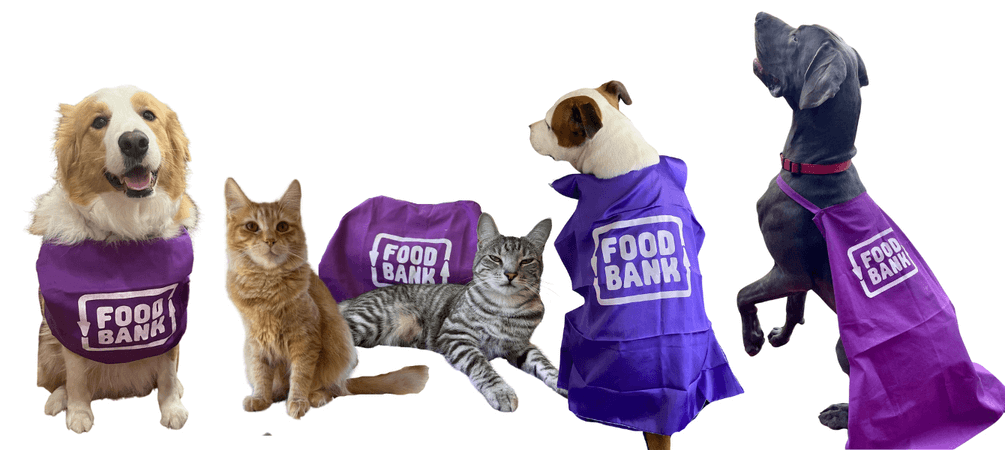
dog wearing a purple foodbank apron

Foodbank Australia CEO, Brianna Casey, is a dog owner herself and recognises that for many, pets are seen as loved and loyal family members. We know how important pets are for those who are struggling with loneliness and social isolation, and the last thing we want is for people to have to give up their pets when they have lost so much else in their lives.”

Foodbank is so grateful for the kindness and generosity being shown by wonderful petcare partners, Mars Petcare, Royal Canin and Nestle, who donate Pedigree and Purina among other productsto ensure our four-legged friends aren’t forgotten when times are tough”

Ms Casey said.

Together, Foodbank’s national petcare partners have generously donated nearly 2 million kilograms of pet care products over the past five years.  

“From working dogs on farms to rescue cats in rental properties, Foodbank is pleased to be able to make pet food available nationwide” Ms Casey said. 

Foodbank’s inaugural Pet Care Day, celebrated on the 30th November, is aiming to raise awareness of food insecurity in homes with pets and to thank the generous support of the many national and state donors who help ensure these furry friends do not go without. 

Droopy_FBA

We couldn’t do what we do without you.

Mars Petcare lockup RGB

Royal Canin logo

Purina logo

PetCareDay FBA 1

Urgent food donation tax reform needed to help fight cost of living crisis and deliver sustainability outcomes

Foodbank VIC staff carrying a foodbank box of food donation

Wednesday 23rd November 2022: Australia currently wastes more than 7.6 million tonnes of food each year costing the economy over $36.6 billion. Of this, 70 percent is perfectly edible and redirecting it to food relief would potentially deliver a social return of $2 billion at a time when the demand for food relief has never been higher.

Despite the clear environmental, social and economic benefits of donating food to food relief, Australia’s current tax framework does not motivate food producers to donate excess stock. In fact, in tax terms, donating is no different to recycling or sending to landfill even though it may cost the company more.

Foodbank Australia CEO, Brianna Casey said,

It is ludicrous that our tax system does not reward hard-working farmers and small business transporters who contribute invaluable products and services to food relief. We should be making it easier to donate rather than dump perfectly good produce that may not look quite right, and one of the ways we can do that it by making sensible changes to our tax system to incentivise food donation.

Foodbank is recommending that Australia’s tax settings be recalibrated to incentivise donations to food relief. Experience in other countries, including the USA, France, Canada and the Netherlands, shows that tax incentives are the most effective way to increase the redirection of food donations to food relief.

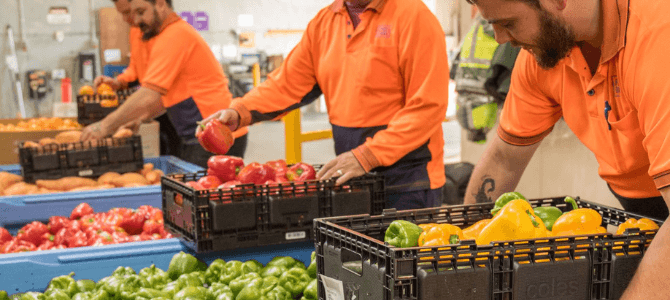
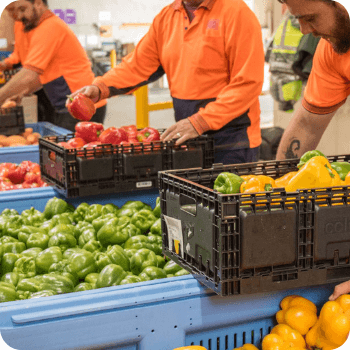
KPMG Australia : bell peppers placed in big trays

The tax incentive proposal, developed by KPMG Australia with the support of the Fight Food Waste Cooperative Research Centre and Australia’s food relief sector recommends a two-tiered tax incentive based on the ability to offset a percentage of costs related to food donations from taxable income. Its aim is to encourage food producers to donate surplus product to food relief rather than sending it to landfill.

KPMG has now completed a follow-up project where it consulted widely with the food industry to determine the feasibility and potential effectiveness of the proposed tax incentive. Interviews were conducted with 33 companies representing both national and local businesses along the whole food supply chain. The overwhelming message is that there is whole-of-sector support for the scheme. In fact, companies are highly passionate about the potential of the incentive to really shift the dial on redirecting surplus to food relief.

Australia has set itself an ambitious target of halving food waste by 2030, and with only 7 years to go, we need the Australian government to take bold and decisive action, including the introduction of a National Food Donation Tax Incentive

Ms Casey said.

eggplant in heart shape

In addition to contributing to sustainability goals, the proposed incentives would provide support to small to medium enterprises, particularly farmers and small businesses in transport and logistics, stimulating regional economies and mitigating some of the economic impacts of labour shortages, natural disasters and the cost-of-living crisis.

Fight Food Waste CRC Chief Executive Officer Dr Steve Lapidge says the research and subsequent proposal show the power of collaboration in addressing Australia’s food waste challenges.

“This research was led by one of Australia’s biggest financial organisations, KPMG, in conjunction with one of its biggest food relief organisations, Foodbank. To meet Australia’s goal of halving food waste by 2030, it’s partnerships like these, coordinated through the Fight Food Waste CRC, that will have the biggest impact not only on the amount of food we waste but just as importantly on the lives of millions of Australians who are food insecure,” said Dr Lapidge.

Australia Facts: 2 million households went hungry

The Foodbank Hunger Report 2022 highlighted that over 2 million Australian households were severely food insecure in the last 12 months and on any given day 306,000 households are receiving assistance from food relief organisations. The cost-of-living was cited as the main factor for those experiencing food insecurity, placing added demand on food relief organisations such as Foodbank as the crisis escalates.

Organisations supporting this incentive represent leaders of Australia’s food and grocery supply, manufacturing, retail and transport sectors as well as agricultural, rural, social service, public health and food waste research peak bodies. Many of these organisations and their members currently donate to food relief organisations, which distribute food and grocery items to thousands of charity organisations and schools.

Every $1 will help provide 2 meals

Hunger relief charity thanks Aussie farmers for invaluable support

woman transferring a bucket of apple in a big tray

(Image provided by Montague)

Friday 18th November: 18.5 million kilograms. That is the amount of home grown, fresh Aussie produce that was generously donated to Foodbank from Australian farmers and growers last year.

Today, on National Agriculture Day, Foodbank is celebrating and thanking our country’s hardworking farmers and growers for their ongoing support to the food relief organisation to ensure those struggling have access to nutritious, fresh produce year-round.

With so many farming communities across the eastern states enduring relentless flooding and the loss of would-be bumper crops, the generosity shown by farmers and growers in supporting the most vulnerable in our community is even more significant.

In 2021, Foodbank sourced the equivalent of 86.7 million meals for essential food relief, 30 percent which was sourced directly from Australia’s world-renowned agricultural industry. More than 30 percent of Foodbank’s total food relief volume is distributed to rural, regional and remote areas, allowing the food relief charity to give back to the very communities who – in good times – are some of the most generous food donors to Foodbank.

Foodbank Australia CEO, Brianna Casey said,

We live in one of the richest nations in the world. We produce enough food to feed our population three times over. Yet, on any given day in Australia, more than half a million households are struggling to put food on the table.

“We cannot thank our incredible farming communities enough. They continue to support the work we do even while facing devastating natural disasters that don’t seem to ease up.”

Foodbanks in NSW and Victoria continue to pack and distribute emergency food relief hampers and pallets of fresh produce which have been making their way to flood-affected areas across Victoria and NSW for the last two months, on top of ongoing food relief to assist with recovery from previous disaster events.

“Our thoughts are with all the communities struggling at the moment, and in particular those close-knit, vibrant communities facing unfathomable devastation as a result of these latest floods. We want these communities to know that Foodbank will be right there with them as long as needed to help these towns get back on their feet.”

fruits in a black tray carried by a foodbank volunteer

Food relief sector calls on state & territory governments to follow NSW lead on demand for federal tax reform

Australian Food Relief Sector preparing fruits

Tuesday 8th November 2022: The Australian food relief sector welcomes the recommendation in the NSW parliamentary report into food production and supply in NSW, that the NSW Government should advocate for tax reform at the federal level on food donations, and calls on other State and Territory Governments to add their voices to the growing call for this smart policy approach.

The Foodbank Hunger Report 2022 highlighted that over 2 million Australian households were severely food insecure in the last 12 months, yet the country currently wastes more than 7.6 million tonnes of food each year, costing the economy over $36.6 billion. Of this food, 70% is perfectly edible and redirecting it to food relief would potentially deliver $2 billion in social return.

Despite this, Australia’s current tax framework does not motivate food producers to donate excess stock. In fact, in tax terms, donating is no different to recycling or sending to landfill even though it may cost the company more. Foodbank Australia CEO, Brianna Casey says,

We recommend tax settings be recalibrated to incentivise donations to food relief. Experience in other countries, including the USA, France, Canada and the Netherlands, shows that tax incentives are the most effective way to increase the redirection of food donations, to food relief.

In addition to contributing to sustainability goals and helping hungry Australians, the proposed incentives are invaluable, SecondBite CEO Steve Clifford says, “This policy would provide support to small to medium enterprises, particularly farmers and small businesses in transport and logistics, stimulating regional economies and mitigating some of the economic impacts of labour shortages, natural disasters and the cost-of-living crisis.”

The tax incentive proposal, developed by KPMG with the support of the Fight Food Waste Cooperative Research Centre, recommends a two-tiered tax incentive based on the ability to offset a percentage of costs related to food donations from taxable income. Its aim is to encourage food producers to donate surplus product to food relief rather than sending it to landfill.

Hamper boxes from Foodbank

According to OzHarvest CEO, Ronni Kahn AO:

Given that food waste is a significant problem facing Australia we need powerful policy levers including tax changes to ensure food feeds people rather than going to landfill. We need to see action from all levels of society and particularly from the federal government on this policy.