Log in

Rising fuel costs and the shared impact on food relief
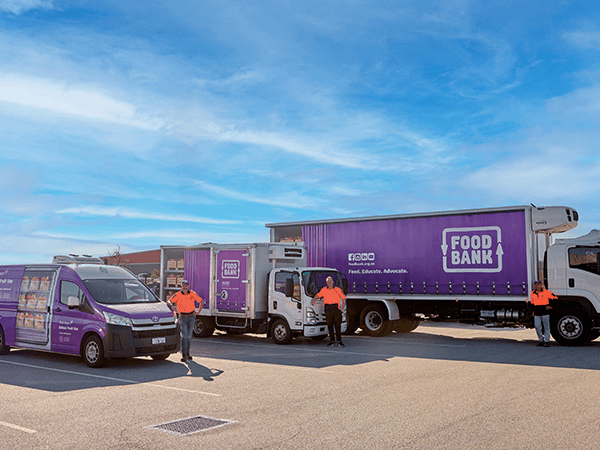
Thanks to a $500,000 donation announced by the State Government, Foodbank WA is able to continue working with our third‑party logistics partners
and keep our trucks on the road at a time when rising costs are placing significant pressure on food relief services across Western Australia.
In a state as large and geographically dispersed as Western Australia, these challenges are magnified. Long distances between communities mean fuel costs play an outsized role in determining how efficiently and reliably food can be redistributed.
The State Government’s $500,000 donation is therefore critical.
It is enabling us to absorb some of these rising costs, continue working with third‑party logistics providers, and maintain delivery services to the communities who rely on us. Without this support, the impact of fuel cost increases would be felt far more quickly and severely across our operations.
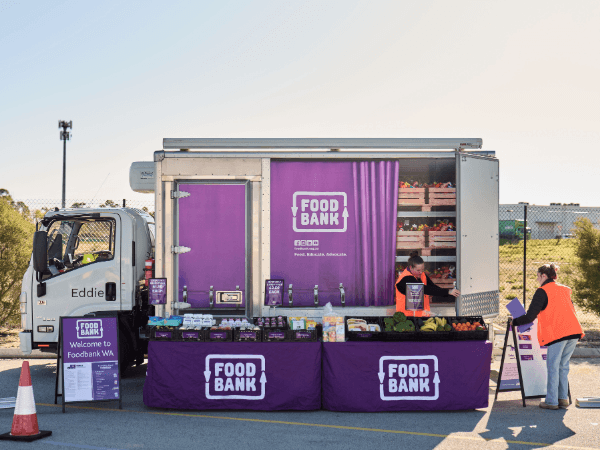
The ongoing cost‑of‑living crisis, driven largely by increasing fuel prices and interest rates, is having a real and visible impact on the communities we support. Through anecdotal feedback, some clients have told us they expect to reduce the frequency of their visits simply because they can no longer afford the cost of travel to our branches or Mobile Foodbank locations.
At the same time, we recognise that many of our food donors are facing similar pressures, often on a much larger scale.
For organisations like Foodbank WA, rising fuel prices are rippling through every part of the supply chain. Fuel is a critical component of the logistics network that underpins food rescue and distribution. From collecting surplus food to delivering essential groceries to charity partners across the state, transport sits at the heart of what we do.
As fuel costs rise, so too does the cost of keeping this network moving. Recently, approximately 15% of our third‑party logistics providers have issued notices of increases to their fuel levies, ranging from 20% to as high as 50%. We have also received advice from other suppliers across the logistics chain that fuel levies could increase by around 50% if current conditions persist. While not all providers have announced changes, there is growing concern that further increases may follow.
These cost pressures have a direct and compounding impact. Increased transport costs reduce the funds available to expand services, support additional communities, or invest in infrastructure. Over time, sustained increases may place pressure on delivery schedules, routes, and overall distribution capacity - particularly into regional and remote areas where distances are vast and alternatives limited.
Higher fuel and operating costs can also affect donation patterns. Farmers, manufacturers, distributors, and retailers are navigating their own increased transport and production expenses, which can reduce surplus availability or make participation in food rescue programs more challenging - especially for fresh fruit and vegetables, which are highly time‑ and cost‑sensitive.
We want our food donors to know that we recognise the pressures they are facing and understand the challenges they are navigating. If fuel costs, logistics, or changing circumstances are creating barriers, we encourage donors to reach out as early as possible. Early conversations give us the best opportunity to work together on solutions, whether that means adjusting collection methods, exploring alternative transport options, or finding ways to ease the burden.
Our shared goal remains the same: ensuring communities continue to have access to fresh fruit and vegetables and essential food.
Despite the pressures across the system, we remain committed to supporting our charity partners and the people they serve. Now more than ever, collaboration is critical. Through open communication, in‑kind support, financial contributions, and advocacy – supported by vital government investment - we can navigate these challenges together and sustain food relief across Western Australia.
As fuel costs continue to evolve, we will closely monitor their impact and adapt where possible, while staying firmly focused on our core mission: delivering food and hope to Western Australians facing hardship.
Latest news
Foodbank Dalyellup branch nears completion
Find out more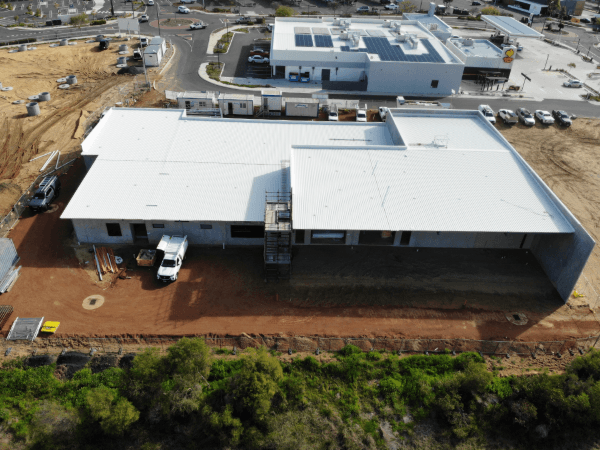
Nutrition education returns to Laverton
Find out more
Food rescue partnerships making a bigger impact
Find out more
Park for a Purpose helps drive lasting change
Find out more
A gift of hope: A bequest to Foodbank
Find out more
Renewed VGW partnership strengthens Mobile Foodbank
Find out more