Community Partner Story

The Y Cannon Hill

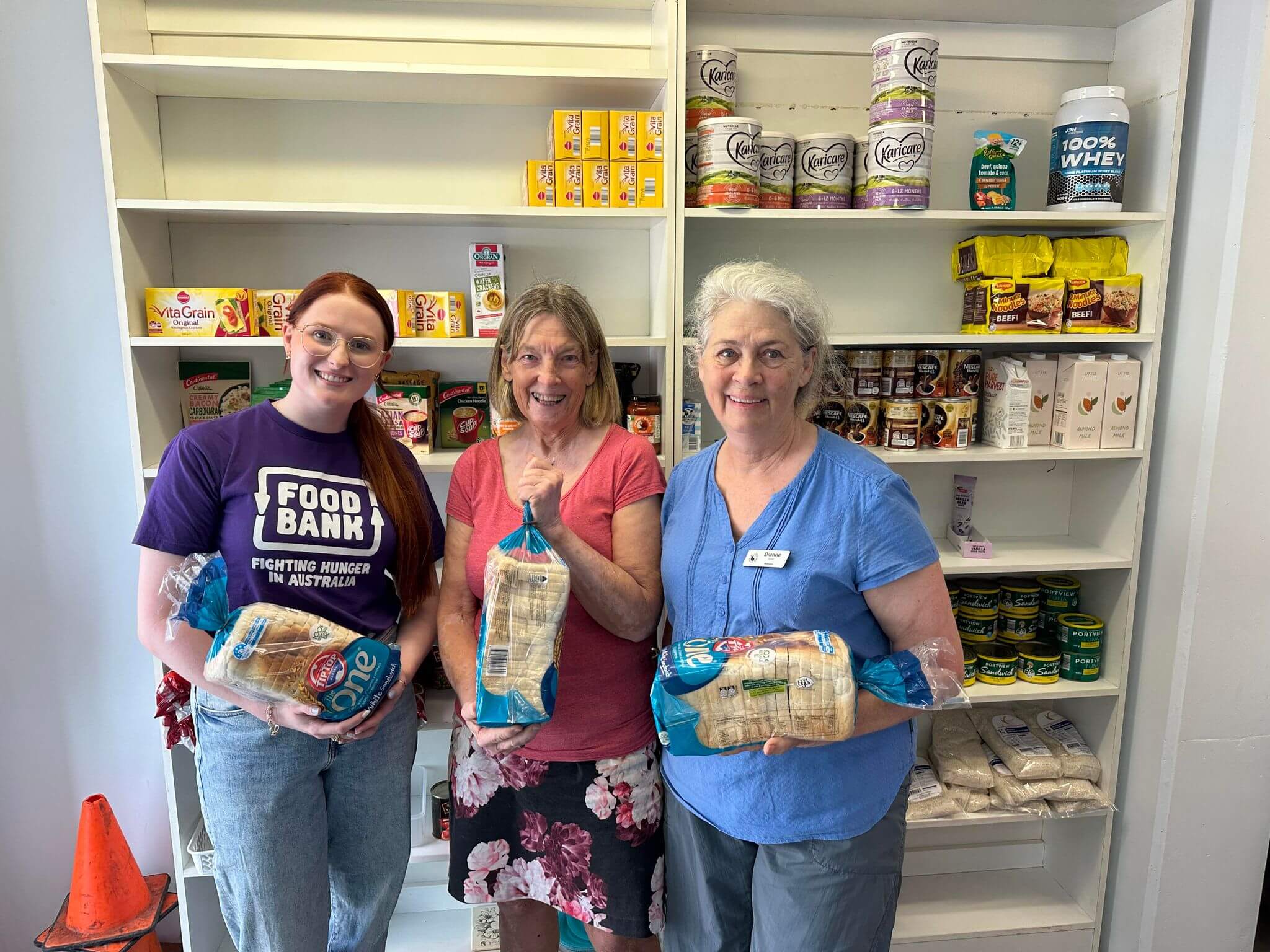
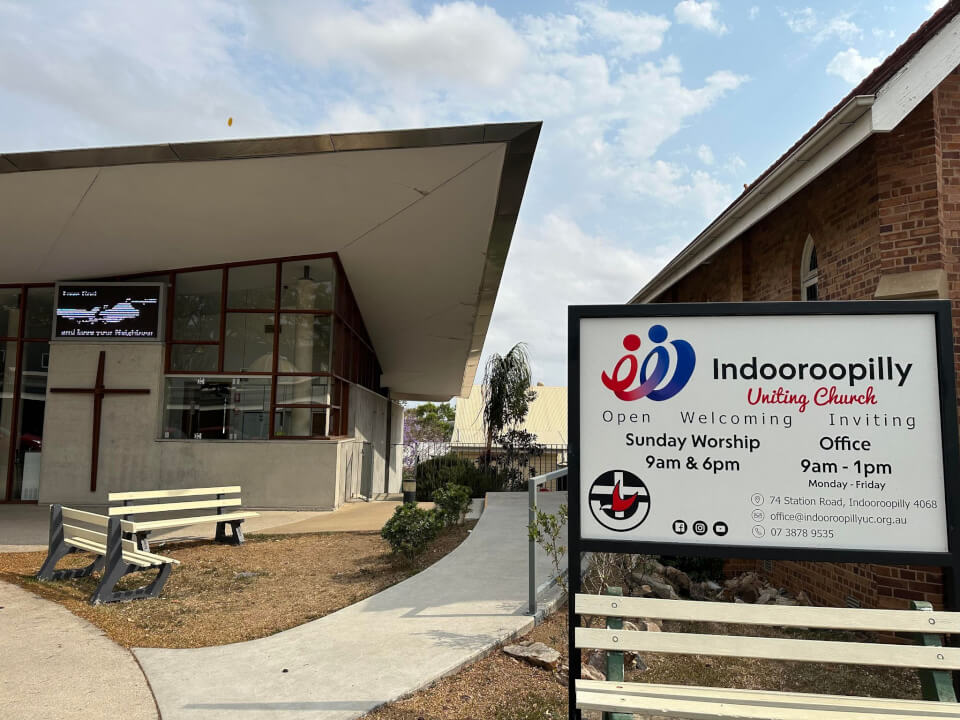
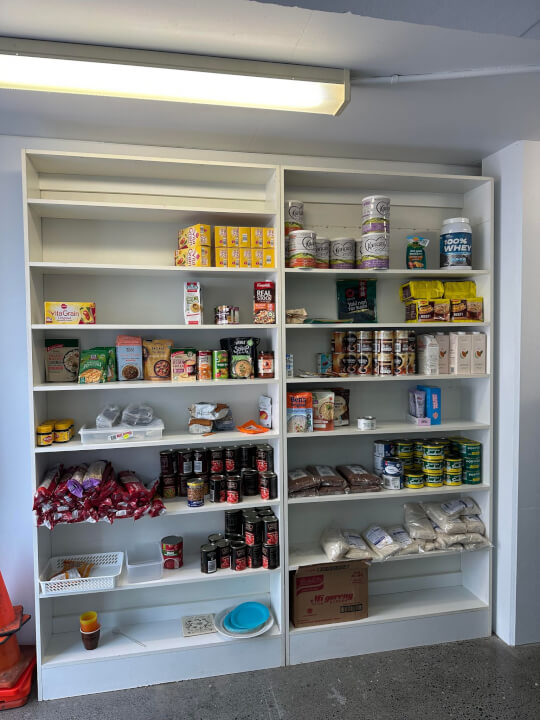
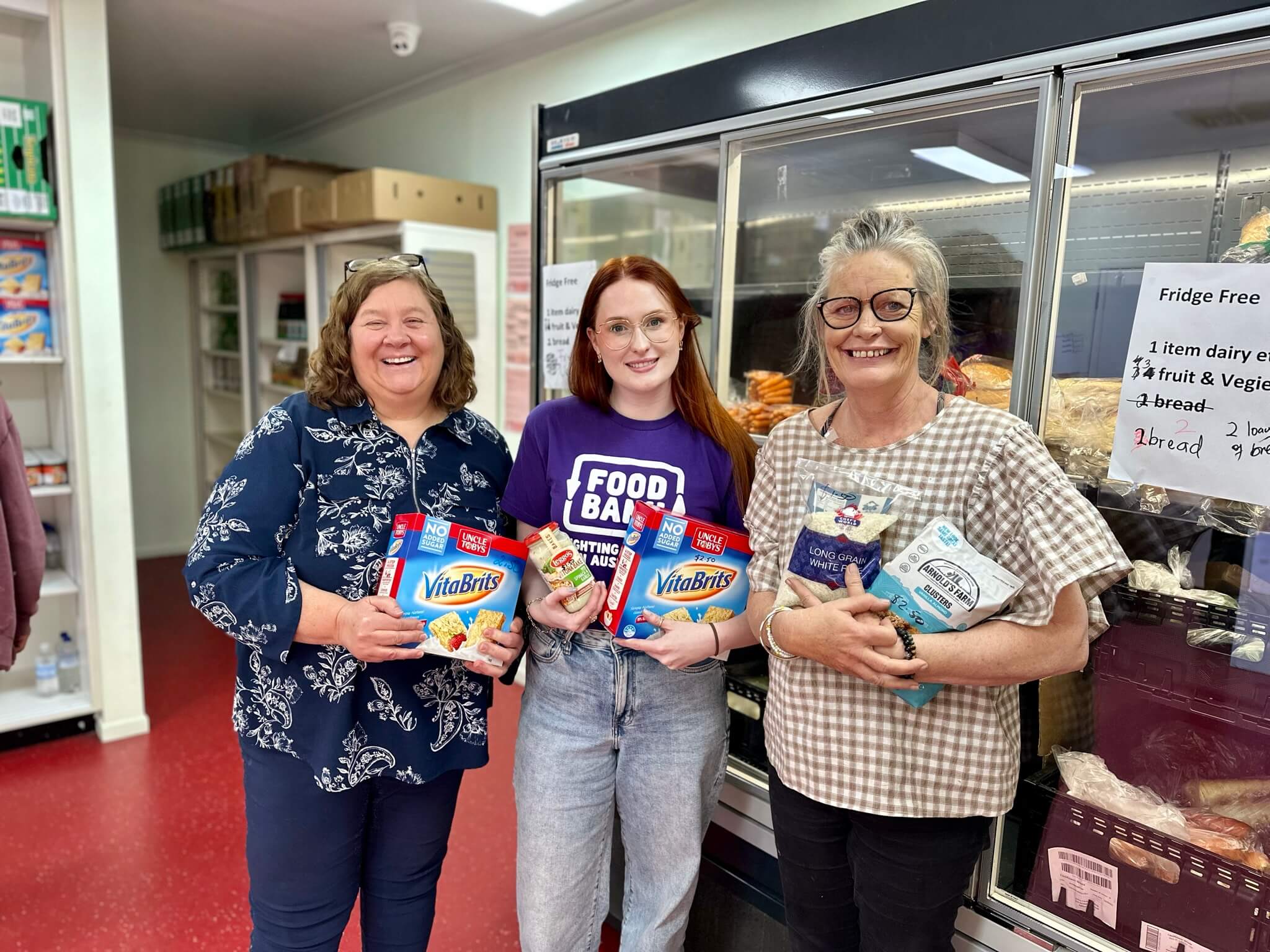
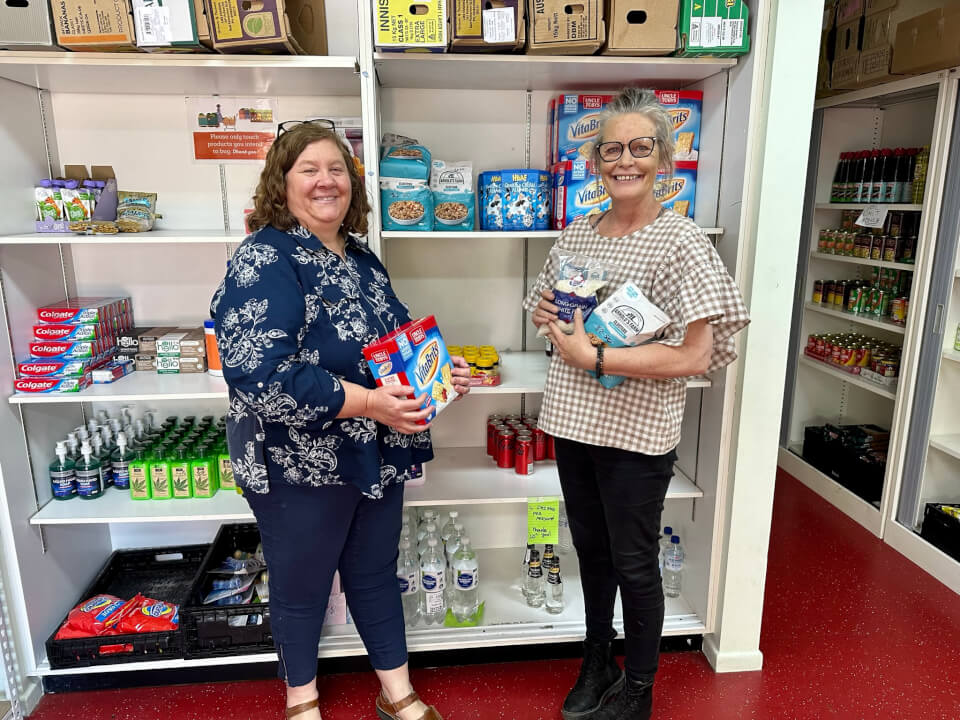
The Y Cannon Hill Community Centre’s Wellbeing Wednesday Program recently celebrated 12 months of providing food and connection to those in need, in their local area.

Thanks to the generous contributions of Foodbank donors, The Y Cannon Hill Community Centre, one of Foodbank Queensland’s more than 300 Member Charities, has been able to fill this need and support vulnerable individuals and families in the area.

featured image

After two nearby food relief services closed their doors, Wendy, The Y Cannon Hill Community Centre’s Community Development Officer, recognised the need for this service to continue in Cannon Hill.

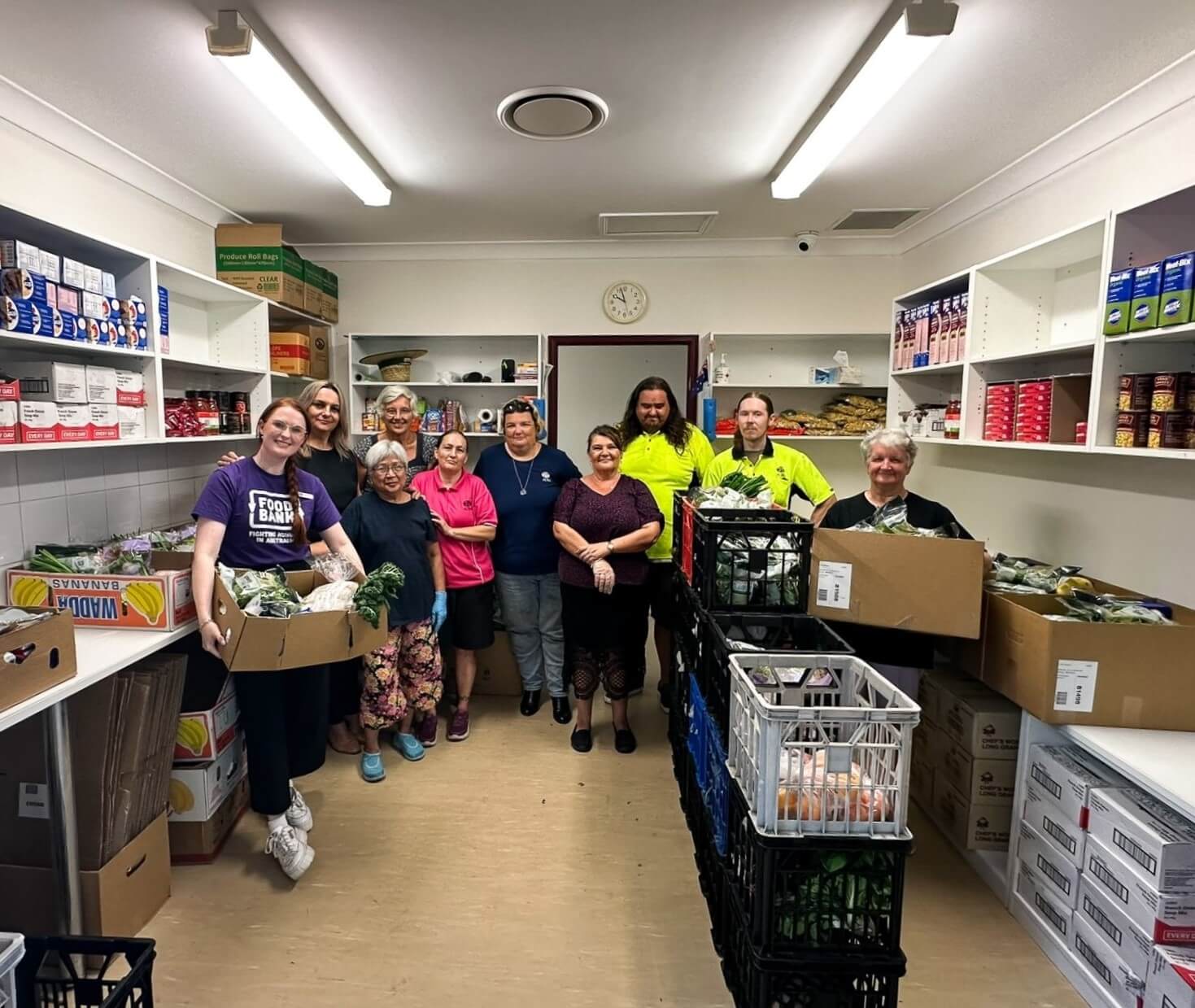
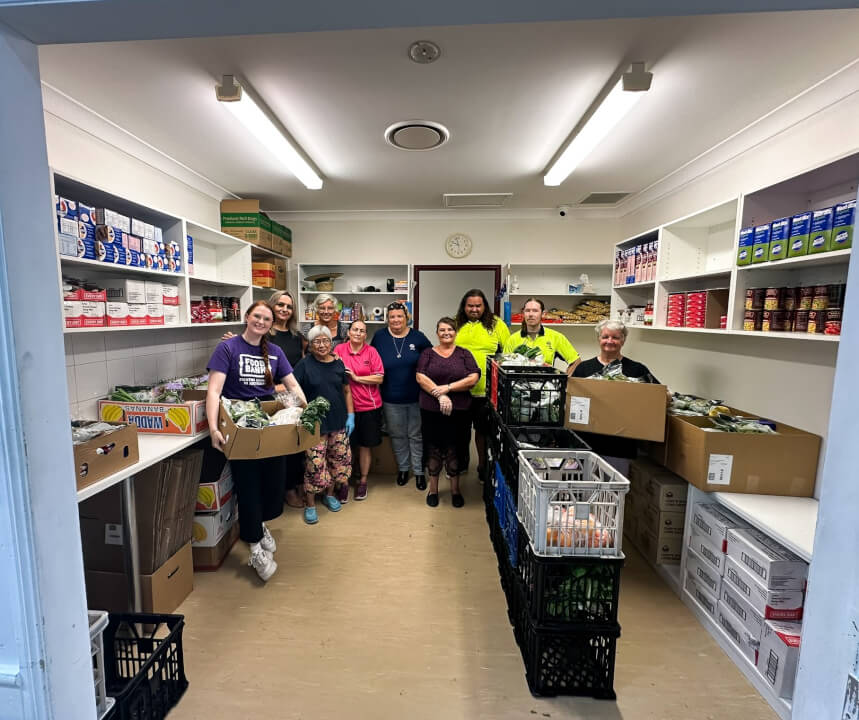
Every Tuesday, Wendy, and her rotating team of 15 volunteers sort through the donations for the week. Part of the success of the program Wendy attributes to the team of selfless volunteers.

“It takes an army. We have an amazing volunteer team. Wellbeing Wednesday couldn’t run without our volunteers.” – Wendy

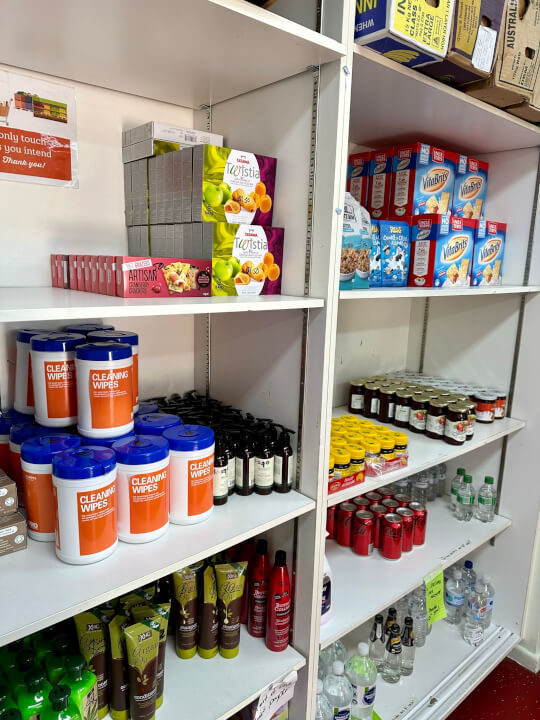
Wellbeing Wednesday not only provides food hampers but also clothes, blankets, toiletries, morning tea, a sausage sizzle, employment information and guidance. Orange Sky also offers laundry services to community members. But underlying all of this is a community of individuals supporting one another.

People make friends with each other coming here, and they’ll give each other lifts home. So, it’s not just coming to the community centre for help, but also to connect.” – Wendy

During the first Wellbeing Wednesday, 12 people came through their doors for support and food relief. Now, on average 50 to 60 individuals are supported by the program each week. At the heart of this program’s success is the stigma-free environment, where all recipients are met with compassion and support.

featured image

“When people come in, they have their dignity, they’re not judged. We really wanted it to morph into a community supporting each other. In the early days, one lady said that she sat in her car for 20 minutes, too embarrassed to come in. But then when she saw how friendly everyone looked, she came in. And that lady still comes today.” – Wendy

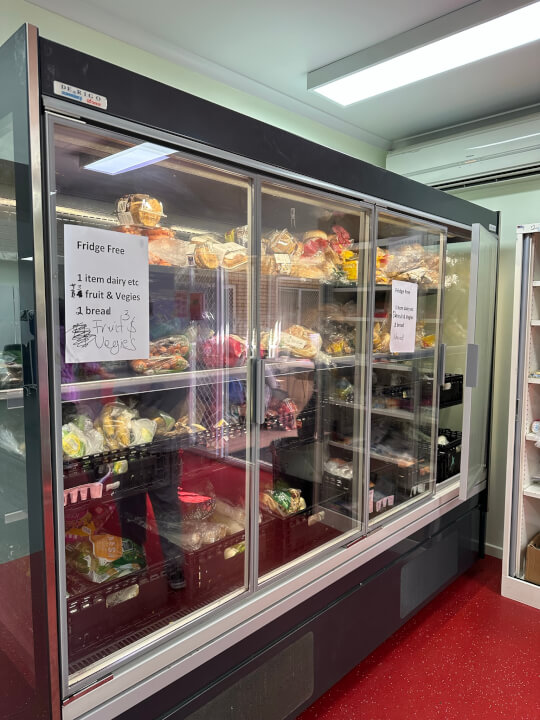
Food hampers are packaged based on the recipients’ responses to a simple questionnaire, questions asked include; Do you have cooking facilities? Do you have a fridge? Do you have children? If yes, what are their ages? This assists the centre in tailoring the food packages as much as possible. While the food hamper is packed, community members have a moment to socialise and connect over a sausage sizzle and morning tea.

Despite the Cannon Hill suburb being recognised as a higher socio-economic neighborhood, under the surface there are everyday Queenslanders struggling to put food on the table. In recent months, the cost-of-living has continued to impact many individuals and families. Programs like Wellbeing Wednesday are essential to many, who may have never typically sought food relief before.

There are people that are working, but they might be working either on lower paying jobs or casual positions. While rents and mortgages have continued to go up. I think the whole picture has changed about who’s reaching out for help now. It’s people from single families to single parents, there’s seniors that come along as well, because they’re on pensions. There’s a lot of people that come here that have never ever had to ask for help.” – Wendy

One couple who Wendy recalls was a young family who had recently had a baby when the father unexpectedly lost his job­­. In their moment of need, Wellbeing Wednesdays was there to support with food hampers and other essential items.

“They started coming to Wellbeing Wednesdays for about two to three months and then they stopped. The wife rang us to let us know her husband had gotten a job. She said, ‘Is it okay if I make up a food platter and bring it down to Wellbeing Wednesday for everyone to share?’. And she did.” – Wendy

Your generosity helps Foodbank provide emergency food and groceries to frontline charities across the state, like The Y Cannon Hill Community Centre, to help families like this get back on their feet. Without your support, Wendy, and the volunteers wouldn’t be able to service the growing number of people in need in Cannon Hill and surrounding suburbs.

featured image

featured image

“I can’t even say enough how important it is that people support charities like Foodbank. We know firsthand, without charities like Foodbank, people would become homeless or at a higher risk of homelessness than they already are. Hopefully hearing some of these stories helps you understand how appreciated it is and the impact that it has. It is to say that every donation has made a difference to someone. Whether it’s big or small, it’s going a long, long way.” – Wendy

To all of Foodbank Queensland’s wonderful donors, Wendy cannot stress enough the importance and gratitude Wellbeing Wednesday has for your donations. To those who have thought about donating, Wendy wisely reminds us, any of us could find ourselves on the other side of hardship at some point in life.

“I always say, and this includes myself, any of us could be in the situation where we need help. So, if you’ve got the means to be able to support and donate, please do.” – Wendy

If you are in a position to help Foodbank Queensland provide more food across the state to support Queenslanders in need, please consider joining the fight against hunger as a regular giver.
Phillip’s Story

Battling Queenslanders like Phillip are doing their very best for their kids but, through no fault of their own, they’re struggling to put food on the table.

Phillip had already been doing it tough, balancing his work as a painter with parenting as a single dad. 

Then he was hit by multiple health issues at once. Swollen tendons combined with an excruciating pain in his shoulder that turned out to be a torn rotator cuff, which made it impossible for him to continue working in his painting business. 

And even as he was coming to terms with this devastating news, Phillip was confronted with the reality that he wouldn’t be able to work for the foreseeable future, because of long delays for surgery. 

Dealt with blow after blow, Phillip is still reeling. His savings have dried up, and despite trying harder and harder to make ends meet for his girls, things have only gotten worse. 

“To know you can’t feed your children properly is the most gut-wrenching feeling as a single parent” Phillip says. 

And even if he can somehow afford to buy some food, the reality is that Phillip can only stretch his money so far, and he feels it terribly as his girls miss out on so much. 

“I can just imagine, you know, them watching their friends, with trendy clothes and some of the things they have, where my kids… I just can’t give that to them.” 

Philip lives with his girls in a region still recovering from the horrific 2018 bush fires when COVID-19 knocked the community down again. It took away tourism and so many livelihoods. And the problems that started then have just grown for so many like Philip. 

Phillip continues to endure his chronic health conditions that stopped him from working in the first place. 

He’s juggling them with trying to be there for his two daughters, as a single dad. 

Add to this his mum was just diagnosed with an incurable brain cancer, and will be living out the end of her days in Phillip’s two bedroom unit with him and his girls. 

“She wants to come home, so she’s around friends and family. Things are pretty hard at the moment. I’m sleeping on the lounge.” 

Thankfully, Phillip’s been getting help from Foodbank, which has made an enormous difference to his life as well as that of Carly and Indy. 

Phillip especially loves how much fresh produce he receives, as he tries his best to ensure the girls are eating healthy food and growing strong. 

“My girls they get excited every time a hamper turns up here. My little one, she lays it all out and she’s all “Oh look what we got, Dad!” 

“Yeah, I skip meals to feed the girls, definitely. I don’t even really think about it. If there’s something, the girls get it.” 

Phillip’s so proud of how Carlie and Indy are handling what’s happened to their family. “The two girls are my world. I can’t explain it. They are everything to me. Everything … They’ve seen what’s been happening with me and they do understand,” he shares. 

Phillip’s youngest daughter Indy is just eight years old. She watches her dad struggle to decide between paying the bills and putting food on the table. No child should experience these agonising decisions. Hunger affects everyone in the family, physically and emotionally. Hunger affects everyone in the family, physically and emotionally. “The girls know what the situation is. But sometimes at the shop, Indy will ask for a lolly. Kids at that age do that. I try.” 

Phillip held back tears when he shared how it makes him feel when he receives support from Foodbank: 

“If you’re in the position where you can give to people like me, we are just, you know, really thankful for that. I’m just really, really thankful. 

Your compassion will provide fresh, nutritious meals to struggling families like Phillip’s! 

Food insecurity grows due to cost-of-living crisis

3.7 million households experienced food insecurity in Australia in the past year, according to the Foodbank Hunger Report 2023, released today.

The report, now in its 12th year, uncovered that 23% of Queensland households are actively going hungry, reducing their food intake, skipping meals or going entire days without eating. That’s 1 in 5 Queensland households – double the number of households in the Gold Coast.

Foodbank Queensland says the research highlights one glaringly obvious cause why so many households are experiencing food insecurity: the cost-of-living crisis.

The report confirms the face of hunger is changing. Over half of the households in Queensland experiencing food insecurity have someone in paid work (55%). Regional Queensland has been hit hardest, with rising food and grocery costs impacting 80% of food-insecure households in regional and remote communities.

More than 1 in 3 Queensland households who need help, aren’t seeking help, because they are either too embarrassed to reach out or believe others must be in greater need of assistance. Foodbank Queensland CEO, Jess Watkinson, says the cost of the most basic of rights – food and shelter, is now the most common cause of food insecurity in Australia.

“The number one reason households in Australia struggle to meet their food needs is the cost-of-living crisis. We have all felt the impact of increased mortgage repayments and rent, and rising food, fuel, and home energy costs.”

“We know that our country produces enough food to feed our population three times over – and Queensland provides one third of that produce. We must do better to ensure nutritious, culturally appropriate food reaches the dinner tables of everyone in our state.”

Foodbank Queensland is collaborating with other key members of the food relief sector in Queensland and advocating to the Queensland Government to use the Foodbank Hunger Report 2023 as a reference point to work with the sector to ensure that all Queenslanders have access to safe, nutritious and sufficient food all year round.

All we want for Christmas is a spatula that feeds 250,000 Australians

FBV Spatulas Home Tile

What happens when you give five community minded celebrities the opportunity to channel their inner Banksy on a spatula to help Foodbank feed families in need?

Well, you end up with five unique pieces of collectable art, that also help make super delicious Christmas cakes*

Foodbank Ambassadors Hamish Blake and Chrissie Swan have joined forces with Attica head chef Ben Shewry, MasterChef dessert queen Kirsten Tibballs and model/presenter Rebecca Judd to design these limited-edition Foodbank spatulas produced in partnership with our generous friends at Minimax.

There are velvety hearts, pastel roses, pop art cupcakes, Attica graphics and words to inspire a thousand slightly sticky smiles. We love them all.

It’s the ultimate feel-good Christmas gift that puts food on the table for vulnerable families right across the country.

On any given day in Australia, there are half a million households who can’t afford food so these big hearted, beautifully crafted spatulas couldn’t have come at a better time.

The Spatula by Foodbank can be purchased from Minimax stores and minimax.com.au for $19.95 and 100% (yes, 100%) of the proceeds will go to Foodbank.

Every spatula sold equals 25 meals, so that’s going to add up to an incredible 250,000 extra meals by Christmas with the help of gift shoppers who know just how hard a year it has been for so many.

*We can’t actually ‘guarantee’ the super delicious bit, but the odds are good!

Spatulas designed by celebrities

Every spatula sold equals 25 meals

Young, employed, high earners going hungry

Monday 23rd October, 3.7 million households went hungry in Australia in the past year, according to the Foodbank Hunger Report 2023, released today. That’s more than all the households in Sydney and Melbourne combined.


Foodbank Australia says the research highlights one glaringly obvious cause why 36 percent of Australian households are experiencing food insecurity: the cost-of-living crisis.

Food insecurity is now being experienced in homes it has never touched before, with 77 percent of food insecure households experiencing it for the first time in the past year.

The report confirms the face of hunger is changing. More than half of food insecure households have someone in paid work (60 percent), and those experiencing food insecurity for the first time are younger, with mid to higher incomes.

The research highlights what Foodbank sees first-hand every day; food is the pressure valve for the many households doing it tough. It is the most likely item to be sacrificed to make ends meet. Almost all (94 percent) of food insecure households tried to mitigate the cost-of-living pressures by reducing their spend on food and grocery items. Tactics included looking for sales and discounts or cheaper alternative and reducing eating out. In a move that may have future public health consequences, nearly half said they reduced their purchasing of fresh produce and protein.

Mum and young son on couch

Foodbank Australia CEO, Brianna Casey, says the cost of the most basic of rights – food and shelter, is now the most common cause of food insecurity in Australia.

“We have an increasing number of people struggling to secure adequate food and the housing crisis is only exacerbating the problem, with half of all renters and a third of all mortgage holders food insecure in the last 12 months.

“We are fast heading towards a reality where more than half the population will know what food insecurity is because they are experiencing it themselves. Almost one in two Australians have felt anxious about accessing adequate food or struggled to consistently access it. In a country where we produce enough food to feed our population three times over, this should not be happening.”

This week is Anti-Poverty Week and the food relief charity is advocating the Federal Government to use the Foodbank Hunger Report 2023 as a reference point in future policy settings underpinning poverty and inequality and to ensure the food relief sector is adequately resourced to respond to current and future levels of demand across Australia.

Young people unloading groceries from car

Foodbank Hunger Report 2023

Meet Laura
one of our nom! nutritionists

A day in the life of a Public Health Nutritionist

“Everyone needs to eat and deserves to know how eat in a way that is both exciting and fun but supports their health. It’s about empowering people to make informed choices so they can decide what they want to eat and why, rather than it being a choice made for them because they didn’t know,”

When you think of a day in the life of a public health nutritionist, you might imagine someone quietly analysing nutritional data in a sterile lab. However, spend a day with Laura Bryce, one of our Public Health Nutritionists, and you’ll quickly realise that her job is anything but typical.

Laura’s role is a dynamic blend of education, community engagement and hands-on involvement. Join us for a glimpse into the world of a Public Health Nutritionist as we follow Laura on her journey to empower communities with the knowledge and skills to make healthier food choices.

Planning with purpose

Laura’s day begins usually with meticulous planning. Recently she was gearing up for a week-long visit to a remote community. With six nutrition education and cooking sessions on the agenda, her tasks ranged from communicating with local stakeholders to personalising program flyers to ensure the community is well-informed about the upcoming programs.

But Laura’s planning isn’t just about schedules and logistics. It includes meal planning, catering for allergies and scoping out resources. In remote towns where online ordering isn’t an option, Laura personally shops for ingredients at local suppliers. Adaptability is key; if something isn’t available, she pivots to work with what’s at hand. Respect for the local community and their resources is paramount; we never want to deplete the supply of regional stores. 

In between planning her upcoming program deliveries, she monitors our School Breakfast Program, making sure their food distribution goes smoothly.

But breakfast isn’t the only thing we’re delivering to schools. Our nom! Schools program is a fun, hands-on adventure where kids get to learn, cook and share healthy food with friends. Our goal is to address the fact that 94% of school kids aren’t getting enough fruits and vegetables.

Thanks to the amazing support of Mineral Resources and Pilbara Minerals, nom! Schools is spreading healthy eating to 40 schools across Bunbury, Geraldton, Perth and the Pilbara. This isn’t just about food, it’s about giving kids the power to make healthy choices for life.

Face-to-face impact

Face-to-face interactions are at the heart of Laura’s work. On these days, she loads up her trolley with thoughtfully curated resources, drives to the community centre or school and sets up the cooking stations.

The nutrition education sessions are tailored to each group’s needs and last for 30 to 60 minutes, covering essential topics like food safety, knife handling, portion control, meal planning and budgeting. For Laura, it’s about empowering participants with knowledge that can lead to both better health and financial outcomes.

“Everyone needs to eat and deserves to know how eat in a way that is both exciting and fun but supports their health. It’s about empowering people to make informed choices so they can decide what they want to eat and why, rather than it being a choice made for them because they didn’t know,” shares Laura.

After the education component, participants get hands-on with cooking, working in small groups or pairs at recipe stations.

Challenges and rewards 

Laura acknowledges that her job comes with unique challenges:

“As our work is community-based, the main challenge is that each community group is different. They might be culturally and linguistically diverse, they may have low written comprehension, or they might simply not have had any exposure to cooking. It’s our job to find fun and engaging ways to deliver the skills and knowledge they need in a way that works for them.”

The solution? Planning, communication and creative thinking.

“Planning is key,” Laura says. “Different groups and different locations pose different challenges, and the way we get around it is through good planning. We work closely with the host to ensure we’re meeting the needs of their community group and participants.“

Inspiring positive change

For the children and youth she primarily works with, this hands-on experience is a life-changing. Some may not have the resources, trust or opportunity to cook at home. But here, they learn to use a knife safely, read a recipe and become the main contributors to their meals. Their sense of accomplishment is heartwarming.

And sometimes, it’s the simplest feedback that brings the most joy. Laura recalls an encounter at a Kimberley shopping centre after hosting a school session earlier that day where a student approached proudly told her, “We’re going to make Mean Green Curry tonight.” Moments like these are the best feedback a Public Health Nutritionist could ask for.

Laura’s journey is an inspiring reminder that the path to better health and wellbeing begins with knowledge and empowerment. Through her tireless efforts, she’s sowing the seeds of positive change, one meal at a time.

Published on 20 October 2023.

Discover nom!

Latest news

Our third nom! Recipes booklet has landed!

Find out more
Our third nom! Recipes booklet has landed!

Sharing our passion for nutrition across borders

Find out more
Sharing our passion for nutrition across borders

Our partnership with The Great Unwaste campaign

Find out more
Our partnership with The Great Unwaste campaign

Meet our nom! Children team

Find out more
Meet our nom! Children team

Launching nom! Recipes #3

Find out more
Launching nom! Recipes #3

nom! Schools helping students discover healthy choices

Find out more
nom! Schools helping students discover healthy choices

A behind the scenes look at Brownes Dairy

Find out more
A behind the scenes look at Brownes Dairy

Little chefs shine in our nom! Kids Kitchen

Find out more
Little chefs shine in our nom! Kids Kitchen

nom! Children is empowering parents and nourishing futures

Find out more
nom! Children is empowering parents and nourishing futures

nom! building confidence, connection and lifelong healthy habits

Find out more
nom! building confidence, connection and lifelong healthy habits

nom! Schools sets up healthy habits for life

Find out more
nom! Schools sets up healthy habits for life

nom! wins over Wheatbelt schools 

Find out more
nom! wins over Wheatbelt schools 

Hancock Iron Ore supports nom! Children in regional WA

Find out more
Hancock Iron Ore supports nom! Children in regional WA

nom! Schools creating lasting impact

Find out more
nom! Schools creating lasting impact

Building confidence and healthy habits with the nom! Children program

Find out more
Building confidence and healthy habits with the nom! Children program

Community classrooms: nom! Schools delivers sessions in the red dirt

Find out more
Community classrooms: nom! Schools delivers sessions in the red dirt

ToyBox helping us to deliver nom! sessions

Find out more
ToyBox helping us to deliver nom! sessions

nom! Kids takes over

Find out more
nom! Kids takes over

Nom! building confidence, connection and lifelong healthy habits

Find out more
Nom! building confidence, connection and lifelong healthy habits

nom! Children program takes stress out of mealtimes

Find out more
nom! Children program takes stress out of mealtimes

Together with Telethon, we are changing lives

Find out more
Together with Telethon, we are changing lives

Building confidence and healthy habits with the nom! Children program

Find out more
Building confidence and healthy habits with the nom! Children program

Food is a basic human right

Find out more
Food is a basic human right

Nourishing the Mind

Find out more
Nourishing the Mind

Superhero Foods® HQ

Find out more
Superhero Foods® HQ

From plate to bin: The hidden impact of ​​​​​​​uneaten food

Find out more
From plate to bin: The hidden impact of ​​​​​​​uneaten food

Jawaria story | Supporting new parents to make healthy choices

Find out more
Jawaria story | Supporting new parents to make healthy choices

From FOOD Cent$ to nom!

Find out more
From FOOD Cent$ to nom!

Your recipe for fun, healthy eating

Find out more
Your recipe for fun, healthy eating

A Day in the Life of a Public Health Nutritionist | nom! Nutritionists

Find out more
A Day in the Life of a Public Health Nutritionist | nom! Nutritionists

Food Mood Connection | Nutrition and Mental Health

Find out more
Food Mood Connection | Nutrition and Mental Health

Money Saving Tips and Meal Planning on a Budget | Meal Planning

Find out more
Money Saving Tips and Meal Planning on a Budget | Meal Planning

Helping to Shape Communities with BHP | Pilbara

Find out more
Helping to Shape Communities with BHP | Pilbara

The Great Dolmio Cookoff aims for 5,000 meals for people in need on the NSW Central Coast.

Date: 9 October 2023

Sodexo, Foodbank and Dolmio at The Great Dolmio Cookoff

Dolmio, Sodexo, and Foodbank have announced a renewed partnership for the week-long Great Dolmio Cookoff. The event is set to draw attention to World Food Day on 16 October – a day to raise awareness of global hunger and encourage action – while helping those in the NSW Central Coast community.

Data from Foodbank reveals that on any day in Australia, over half a million households are struggling to put food on the table1. In response, Dolmio, is transforming its Central Coast production facility’s commercial R&D kitchen into a ‘Master Chef-worthy’ set for a meal-making marathon.

Sodexo, Foodbank and Dolmio at The Great Dolmio Cookoff (2)

Over 100 members of the Dolmio team, along with staff from Sodexo, are volunteering their time. The team are aiming to make 1,000 meals a day, working three shifts a day throughout the week of 9-13 October.

Around 20 local charity partners within Foodbank Australia’s network – including Coast Shelter – will be collecting the prepared meals and distributing them directly to people in need of food relief.

Bill Heague, General Manager Mars Food & Nutrition Australia, said that he knows the importance of helping to put food on tables.

“Our best loved brands like Dolmio have been helping Australian’s to make meals for over 75 years – based here on the Central Coast,” Bill said.


“Dolmio is all about helping to inspire the small touches that can bring joy to our day-to-day lives. For many of us, that comes through the food we eat and who we eat it with – and that connection is something everyone should get to enjoy. However, sadly there are an increasing number of Australians, including in our own Central Coast, who are struggling with food insecurity. That’s why we are joining forces again with our generous partners to provide healthy cooked meals for people in need in our local community” he said.

Sodexo, an integrated facilities management services company with a base on the Central Coast, are providing support services and the key ingredients for the 5,000 meals.

Keith Weston, Sodexo Australia Managing Director, said the partnership builds on their global Stop Hunger initiative to address food insecurity and malnutrition.

“Sodexo is proud to team up with Dolmio and our national charity partner, Foodbank Australia, to address the growing demand for food relief,” Mr Weston said.


“In Australia alone, 2 million households experienced severe food insecurity in the last year. With this figure set to rise with the increased cost of living and inflation on everyday household goods, it is important that we act today to deliver a better tomorrow for our communities.”


Sodexo, Foodbank and Dolmio loading prepared food into Foodbank van

“Our mission is to improve quality of life through our services, and we believe that quality of life only begins when basic needs are met. This annual event demonstrates tangible actions we can take to enhance the lives of our communities through collaboration and shared social responsibility,” he said.

The teams are cooking balanced and delicious meals with fresh ingredients including Dolmio Bolognese, MasterFoods Honey BBQ chicken and MasterFoods Beef Stroganoff.


Brianna Casey, Foodbank Australia CEO, said the organisation has never seen such a high demand for food relief.

“We could not do what we do without the support of our generous donors like Mars Food Australia and Sodexo who continue to help us get meals to where it’s needed in many communities throughout the country.”


Every $1 donated = 2 meals

Major Charity Partnership Formed To Help Support Queenslanders In Need

Sunshine Coast based Go Transit Media Group, has today announced a corporate partnership with Foodbank Queensland which will help promote awareness and provide essential support to more than 150,000 families in need each week. As Queensland’s largest hunger relief organisation, Foodbank Queensland supports hundreds of frontline charities across the state to get fresh food onto tables.

As part of its ongoing corporate social responsibility commitment, Go Transit assists a broad and diverse cross-section of community, youth, health, and sporting organisations across its 400 regional markets every year. These include: Sleepbus, Give Me Five For Kids, Dollys Dream, RSL Australia, National Missing Persons Week, Cindy Mackenzie Breast Cancer Program and many more.

“In addition to this, we want to build a more meaningful contribution – particularly as the rising cost of living pushes up food insecurity and exposes more and more vulnerable Australians. We are proud to really get behind the hard-working team at Foodbank Queensland to make a positive difference”, said Andrea Coles, Go Transits Executive General Manager.

The new partnership includes an annual transit media plan, financial support through fundraising, social media campaigns and hands-on staff contributions. “We want to see our whole team involved in supporting this important cause in a very practical and genuine way. As part of this we will be providing some additional incentives for everyone to get involved”, Ms Coles said.

To kick things off, Go Transit are promoting Foodbank Queensland’s spring appeal on 25 buses across Queensland. Support like this benefits over 300 member charities who rely heavily on Foodbank Queensland to provide them with assistance. One of these member charities is Gateway Care, a Caloundra based community resource center. Gateway Care services demand across the wider Sunshine Coast region, as well as Caboolture and Gympie. It currently supports over 1000 families in need each week.

Tom Lew, Managing Director of Gateway Care, said that the operation was modelled on a social enterprise system which would mean that it was 80 percent self-sustaining, being able to sell food and other necessary household items at an affordable cost to those on compromised incomes or within the welfare system, leaving 20 percent repurposed so that essential items, including food, can be provided as a donation to those in crisis. “This includes people who are facing domestic violence, people who have lost their homes, people who through whatever circumstances, have nothing. It is very important that we can assist these people when they need it most”, Mr Lew said.

“We are thrilled to be partnering with Go Transit Media Group and value their support in providing transit media opportunities, financial contributions and social media promotion,” said Jess Watkinson, CEO Foodbank Queensland.

“This partnership will ensure that we are able to continue to provide food and groceries to more than 300 frontline charities and 300 school breakfast programs each year to make sure no Queenslander experiences hunger, and help us to engage further support to increase our provision of food.”

Community Partner Story New Hope House

Since 1985, Teen Challenge’s New Hope House, formerly Hebron House, in Kelvin Grove has been providing homeless young men, between the ages of 16-25, with crisis accommodation. Up to seven residents can live at New Hope House for three months at a time.

featured image

featured image

During their stay, these men are not only provided with a roof over their heads but also are taught valuable life lessons and skills. Daniel, a Youth Worker at New Hope House explained:

“This is a home. So, you’ve got the lounge and you’ve got meals altogether at the dinner table. That’s really intentional for us as our culture. But then we also work with them (the residents) with their living skills. We really focus on their quality of living.”

Daniel and Tim, a Senior Case Worker at New Hope House focus on providing these young men, with routines, accountability, and chores, such as cooking. This is where New Hope House’s partnership with Foodbank Queensland assists in supporting these vulnerable young men. For the last few years, New Hope House has been a Foodbank Member Charity.

featured image

featured image

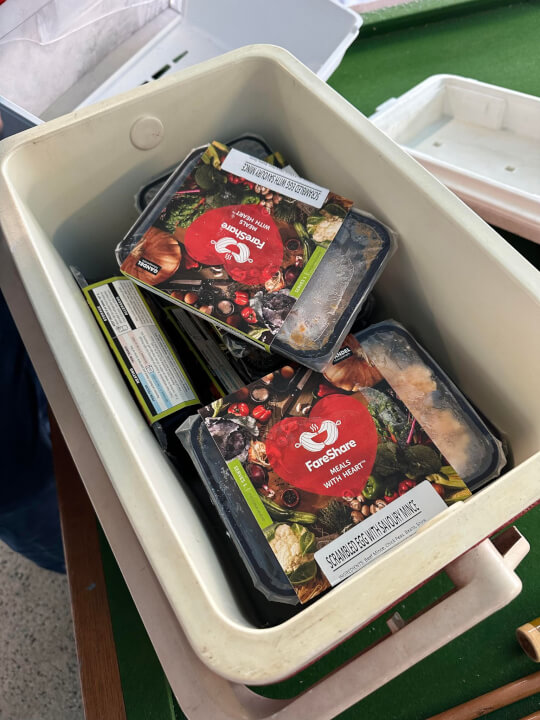
This partnership assists New Hope House in providing easy and nutritious meals to their residents, such as the house favourite FareShare meals; collected from Foodbank’s Food Distribution Centre.

As part of improving the residents’ living skills, each week, Daniel puts together a menu of weekly dinners which each resident will be assigned to cook. These simple meals include food collected from Foodbank.

“We have a really good space here to teach them to cook once a week. At the moment, it’s with the youth worker, teaching them to use gloves, hygiene and to wash their hands. And in here, we see the guys that are passionate about cooking and then we start asking… well, have you thought about a career?” – Tim

featured image

featured image

The residents’ weekly cooking night has also allowed some residents the opportunity to share their culture. This has seen the New Hope House dining table filled with a mix of cuisines from African to Middle Eastern dishes.

Any ingredients left over, or which they have excess of, are donated to a nearby church who distributes them to people who are homeless. On these days, the New Hope House residents will pack the food and assist in distributing the hampers to local shelters.

The partnership with Foodbank helps New Hope House to source quality food at a discounted rate, which allows them to deliver more programs and services.

“It’s really helped our budget, so we can spend it on other programs other than just food. So, these meals and food have helped our budget.”– Tim

In the last 6 months, next door to New Hope House, they’ve begun operating a transitional house. The purpose of this house is to provide ex-residents the opportunity to step out on their own, while still having the support network that New Hope House offers. Those ex-residents who step out on their own completely are also provided with a food hamper to assist them with their transition.

featured image

featured image

The young men who are supported by New Hope House vary, typically the residents find shelter at New Hope House due to a relationship breakdown with their families. Daniel explained that:

“They’re not in the wrong. They haven’t done anything wrong. They’re not into substances. They’re not gambling. There’s nothing wrong with them. They just can’t go home.”

A previous resident at New Hope House who impacted Tim greatly was a resident who had never had a birthday cake and for Daniel it was a 22-year-old who had never learnt to shave. Daniel recounts:

“He came to me one time and he asked, “Do you have any shaving cream? Could you teach me how to shave?” We were in that bathroom for an hour. It was a real father and son moment. I got a little teary, because it was this moment of not only did he physically feel better but also emotionally and mentally, it was quite special.”

The relationships Tim, Daniel and Team Leader, Ben build with New Hope House’s residents is inspiring. Not only does New Hope House provide its residents with the safety of a roof over their heads but also the chance to start anew. As Tim explained:

“We don’t judge them. We give them a full reset, we say to some of the guys, “Imagine there’s a whiteboard. It’s got your history on it. We’re just wiping it clean right now. So let’s just go day by day.”

As the name suggests, New Hope House provides these young men with a space where they can reset, gain new life skills and lessons provided by Tim, Daniel and Ben and ultimately, set them up to feel hopeful. The success of which they see often, with ex-residents inviting them to important life moments, such as graduations. Even the little things, Daniel is grateful to be a part of:

“I had an ex-resident come back three weeks ago. He left a couple of months ago now. But he said, “I guarantee if it wasn’t for that (the cooking) and the living skills, there’s no way I’d be able to live the way I’m living now.” – Daniel

Foodbank Queensland is proud to work alongside New Hope House to help provide food for its residents. Daniel explained how the partnership has assisted them.

“We’re just super grateful here at New Hope House that we’re able to partner with Foodbank who understands the need that’s currently being experienced from Australians. There’s a huge homelessness crisis that is happening but by partnering with Foodbank, we are able to really support those that are in need, from the street to the table.”

If you are in a position to help Foodbank Queensland provide more food across the state to support Queenslanders in need, please consider joining the fight against hunger as a regular giver.
If you are a Queensland charity, Foodbank Queensland membership is a great way to support your food relief projects, offering your organisation a reliable source of food and groceries all year round, you can read more about becoming a Foodbank Member Charity here.

Meet Foodbank Food Donors: Kalfresh, Mulgowie & Windolf, Gatton & the Scenic Rim

Foodbank Queensland recently had the pleasure of visiting some of our dedicated food donors in Gatton and the Scenic Rim. We were grateful to visit three of our regular farm donors; Kalfresh Vegetables, Windolf Farms and Mulgowie Farming Company.

At each farm, Foodbank Queensland representatives had the opportunity to learn more about the picking and packing process, the supply chain we’ve built to move rescued produce from farms to Foodbank’s Distribution Center, and why these farms donate to Foodbank Queensland.

Our relationships with these farmers allows us to not only provide struggling Queenslanders with much needed fresh produce, but also helps to reduce waste across the state.

Kalfresh Vegetables


Kalfresh has been dedicated to donating fresh produce to Foodbank Queensland for over 10 years. Established in 1992, Kalfresh now operates with more than 4000 acres under crop in nine growing regions – Scenic Rim, Lockyer Valley, Southern Downs and Bowen.

Kalfresh sources produce from its own farms and from a group of local farming families with direct supply agreements. This allows Kalfresh to produce a 12-month supply.

featured image

At Foodbank Queensland, our most donated produce from Kalfresh includes carrots, beans, watermelons, pumpkins and corn. When asked why Kalfresh donates to Foodbank, Kalfresh’s Agricultural Director, Craig said:

We started donating to Foodbank as Foodbank was a charity that’s got a lot of impact. They take good volumes of produce off us and we put a lot of effort into growing food so the last thing we want is to see food wasted.”

Kalfresh’s commitment to reducing waste, while helping Queenslanders in need is a testament to their dedication towards creating sustainability in the farming industry.

Windolf


Windolf Farms has been operating for over 20 years and is a family owned and operated business located in the Upper Tenthill area near Gatton, Queensland. With farms located in Upper Tenthill, Tenthill, Gatton and Clifton, Windolf Farms supplies Foodbank Queensland with various produce including potatoes, broccoli, parsnips, pumpkins, and watermelons.

featured image

featured image

For over 10 years, Windolf Farms have committed to donating to Foodbank Queensland. During this time, despite facing devasting floods in 2022, they have continued to support Foodbank. Sharron Windolf explained Windolf Farms commitment to their partnership with Foodbank Queensland:

“Windolf Farms supports Foodbank when it can to supply fresh produce and believes in the importance of giving back. The reason for supply to Foodbank can vary, however for produce to be used to help those in need is a fantastic avenue.”

The team at Windolf Farms also kindly transport all their donations to the Foodbank Food Distribution Centre using their own trucks. Their dedicated unloaders also graciously volunteer their time to unload the products free of charge, demonstrating their commitment to giving back to the community.

Mulgowie Farming Company


Mulgowie Farming Company is an Australian owned and operated family company, located in the Lockyer Valley region. Over the last 10 years, Mulgowie has been generously donating to Foodbank Queensland. Site manager, Darren, explained why some produce may not make it to grocery shelves:

We donate to Foodbank for a couple of reasons, the main one is to repurpose our downgraded or imperfect produce. It’s still 100% edible. 100% fantastic. But doesn’t quite meet our giant supermarket specs so instead of it going to waste we donate it to Foodbank.”

featured image

featured image

The main produce Foodbank Queensland receives from Mulgowie includes sweet corn and green beans. As part of their mission to care for the world we live in, Mulgowie focuses heavily on increasing sustainability as part of their farming efforts. This includes regular donations to Foodbank.

Altogether, these three farms have donated enough fruit and vegetables to create almost 400,000 meals for Queenslanders in need in the last year alone. That’s over 15 Olympic swimming pools of water conserved!

In heartfelt appreciation, Foodbank Queensland’s Food Supply Manager, shares these words of gratitude for the profound impact all three of these farms have made over the past decade.

“Foodbank Queensland would like to say thank you to Kalfresh Vegetables, Windolf Farms and Mulgowie Farming Company, for the support you have all given to us over the past decade to help our Member Charities and everyday Queenslanders – Foodbank Queensland’s Food Supply Manager

Each farms’ unwavering support means that struggling Queenslanders across the state have access to fresh fruit and vegetables. We are so thankful for our produce donors and their commitment to reducing food wastage.

If you’re in the food industry and are interested in becoming a food donor, pleaseclick here.