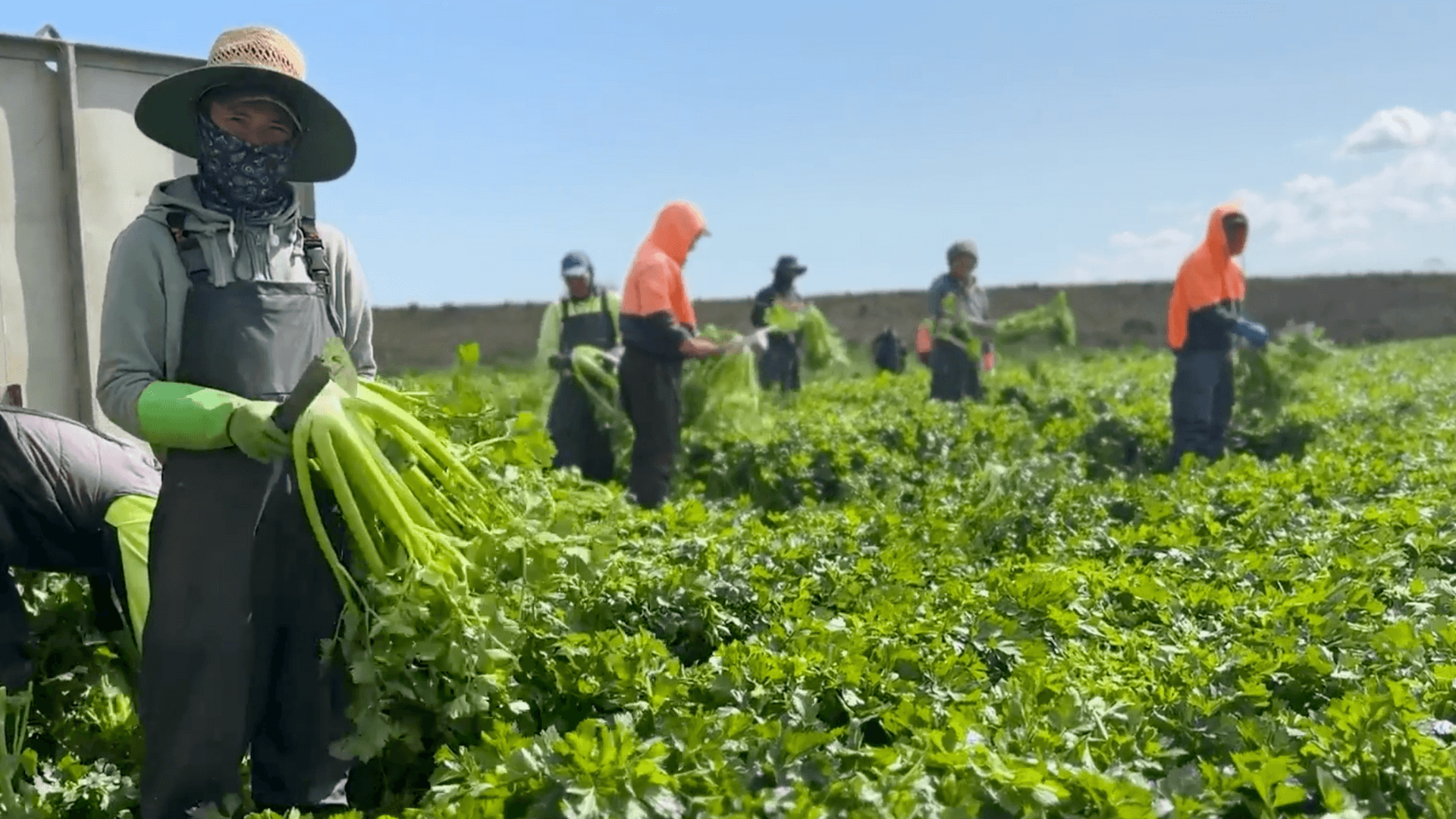
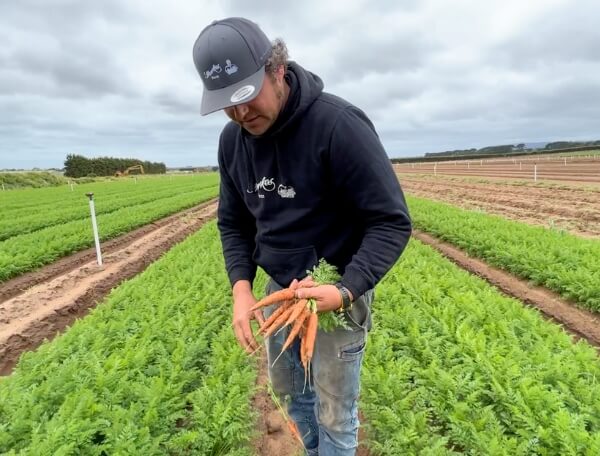
When the fires burned across the state this summer, more than 300 homes were destroyed and over 1,100 farms damaged. Some 45,000 livestock were killed: beef cattle, dairy cattle, horses and sheep. A total of 150,518 hectares of precious farming land burnt and destroyed.
We now understand the extent of this catastrophe. For our farming communities, the agricultural impact of these bushfires has been even bigger than the Black Saturday fires.
“The impact out on the fireground was pretty severe, pretty traumatic,” says Tash. “We lost 15 houses, hundreds and thousands of kilometres of fencing, a lot of stock. A lot of crops because we were right in the middle of harvest. All the feed, fodder…there were sheds exploding around people.”
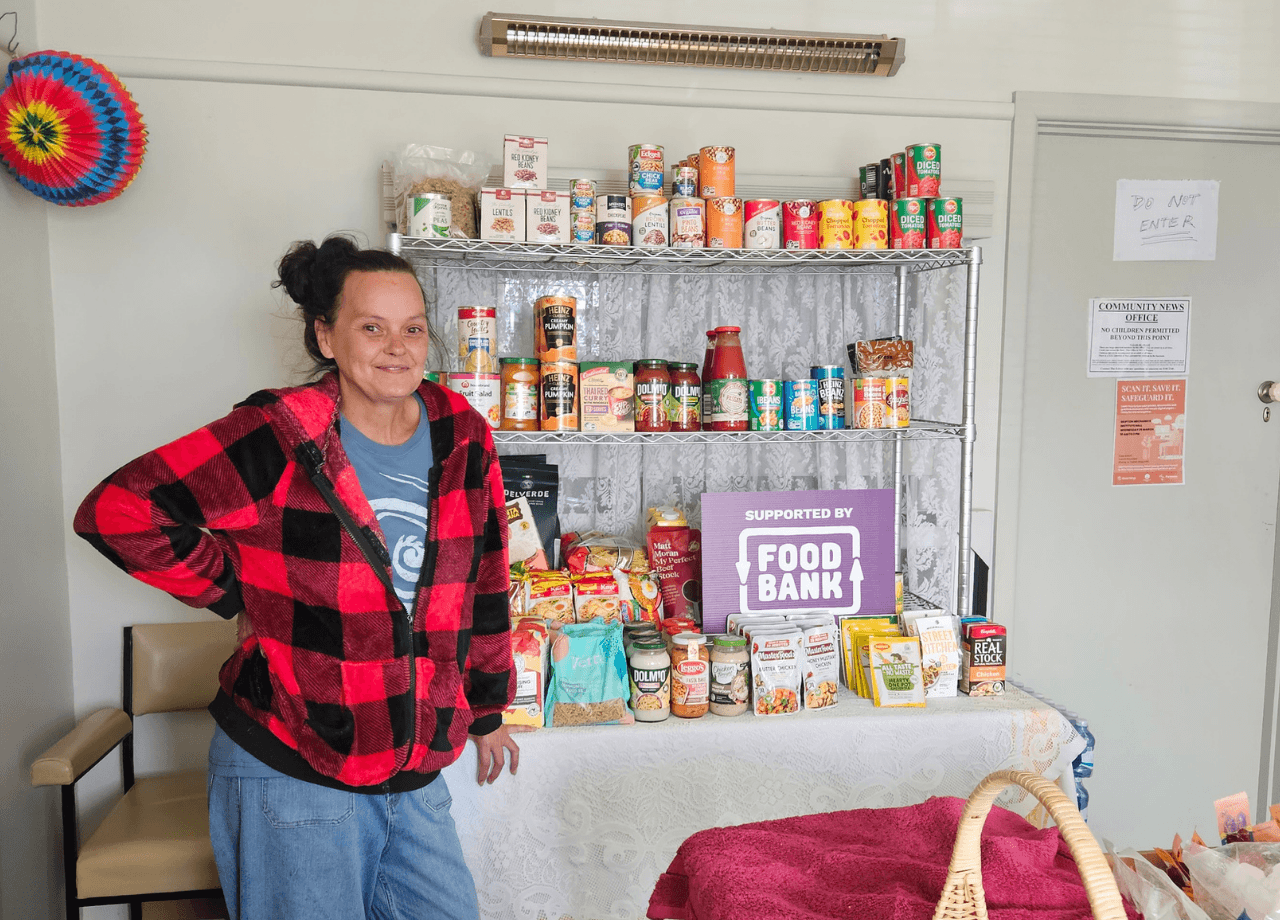
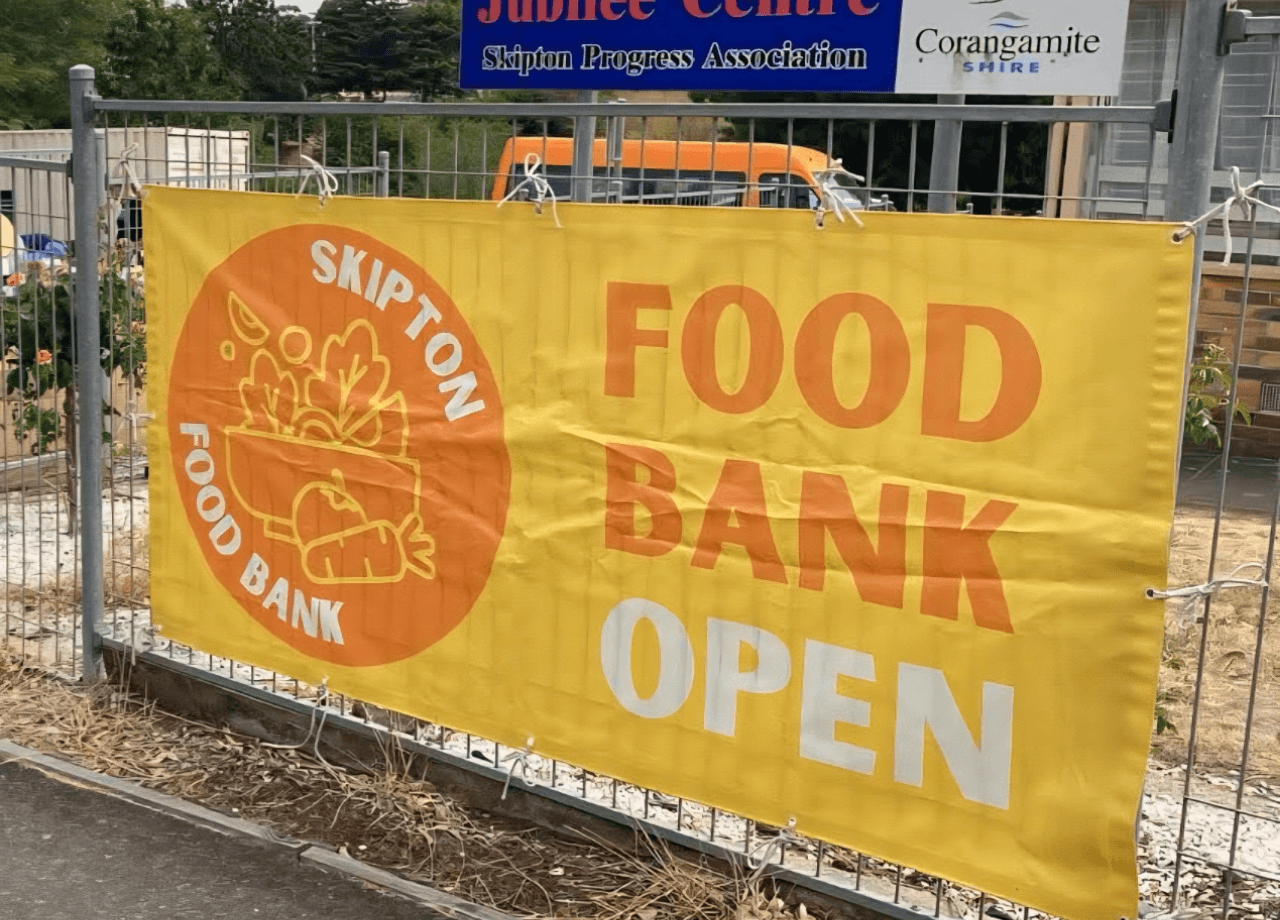
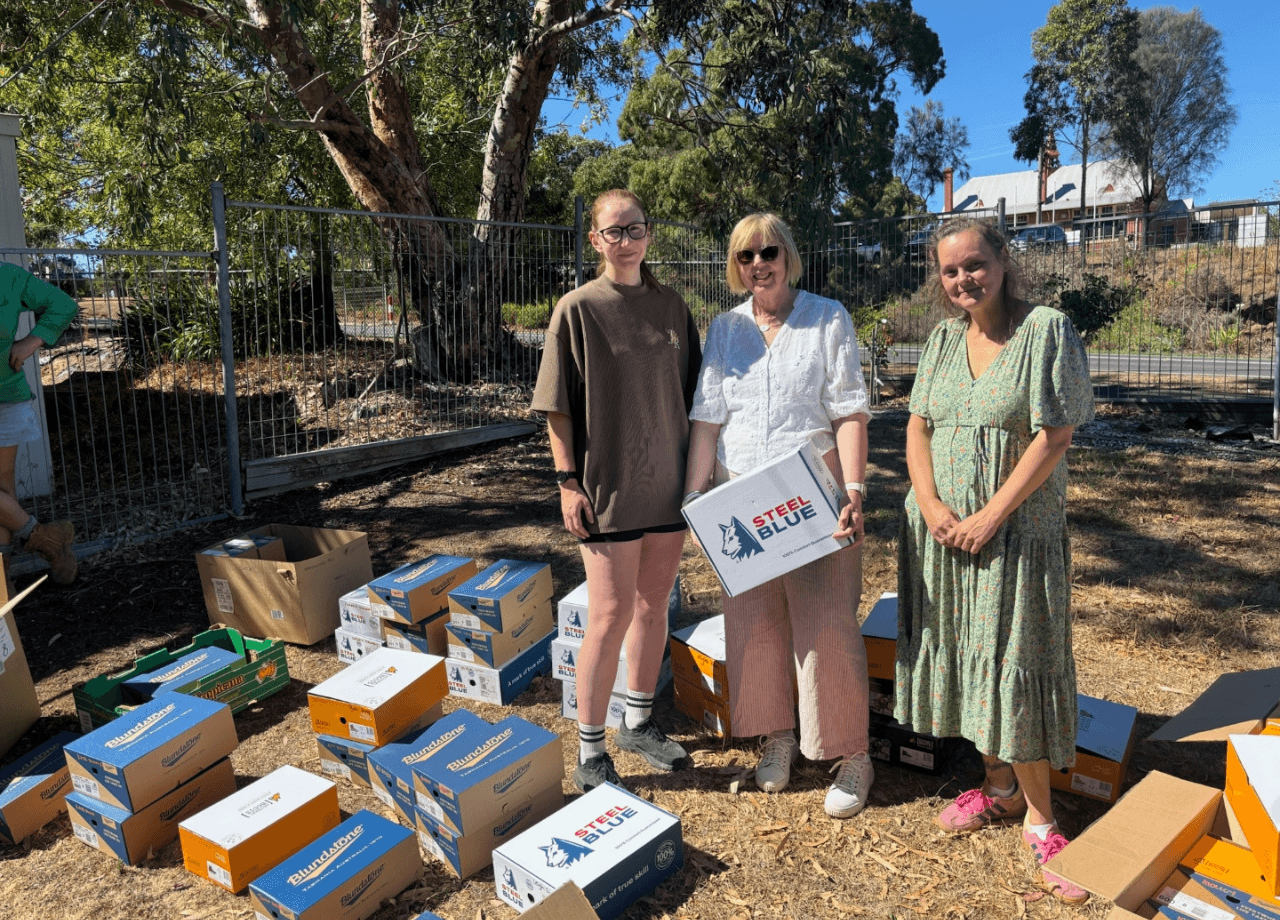
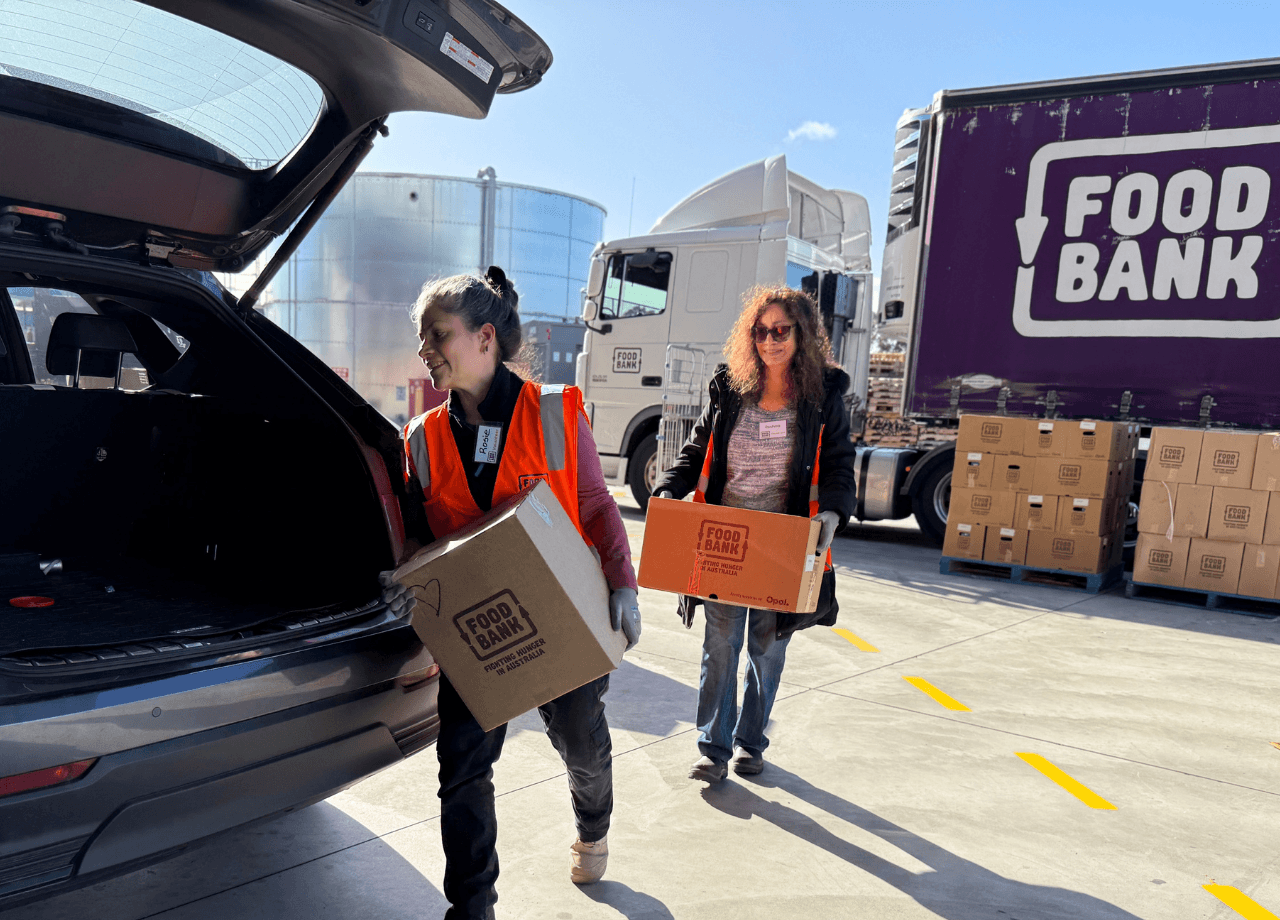
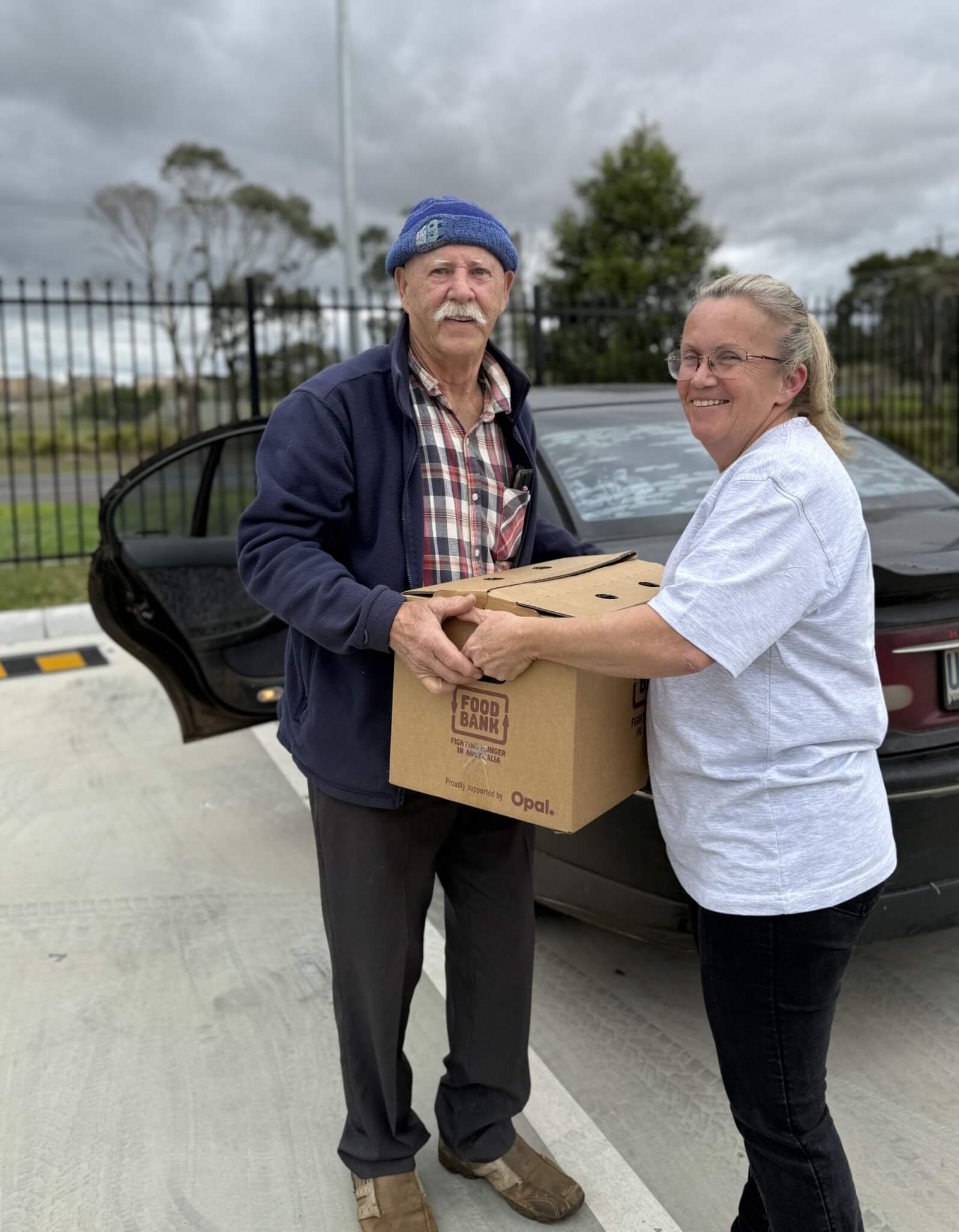
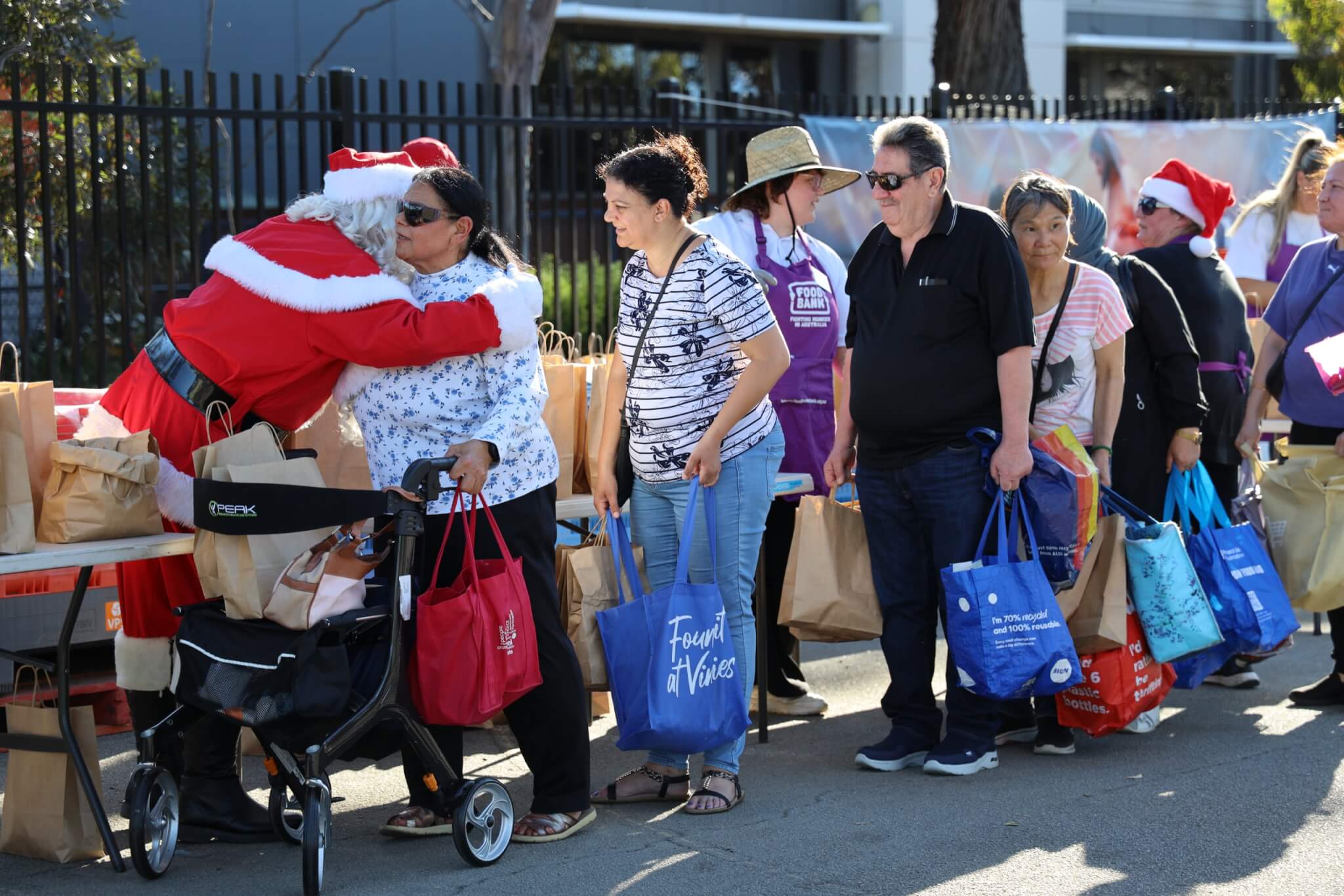
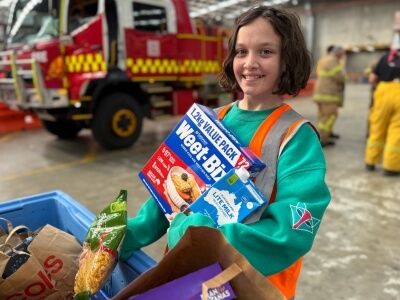
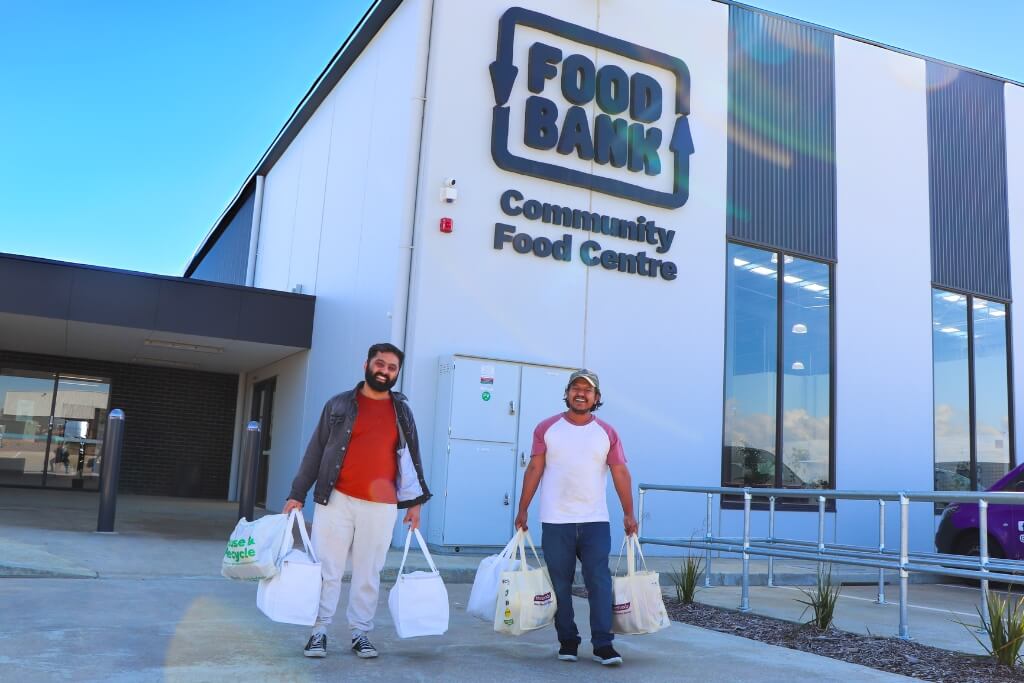
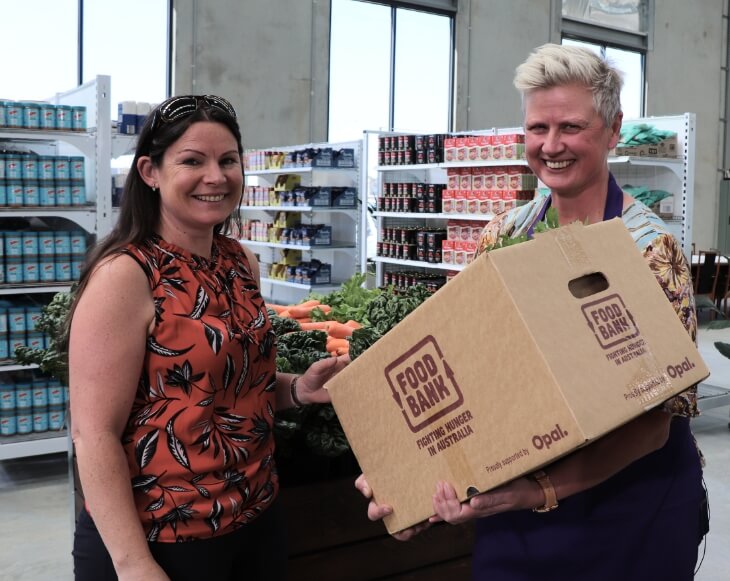
At first, the volunteer-run pantry was providing emergency relief, borrowing a local mini-van to distribute bottled water, hampers and snacks to famers. Now, they are concentrating on recovery, and they’ve seen demand grow from around 40 families to 198 families seeking food support.
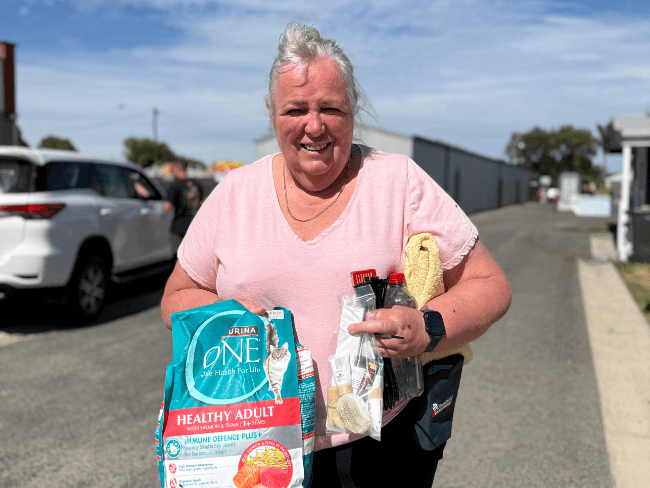
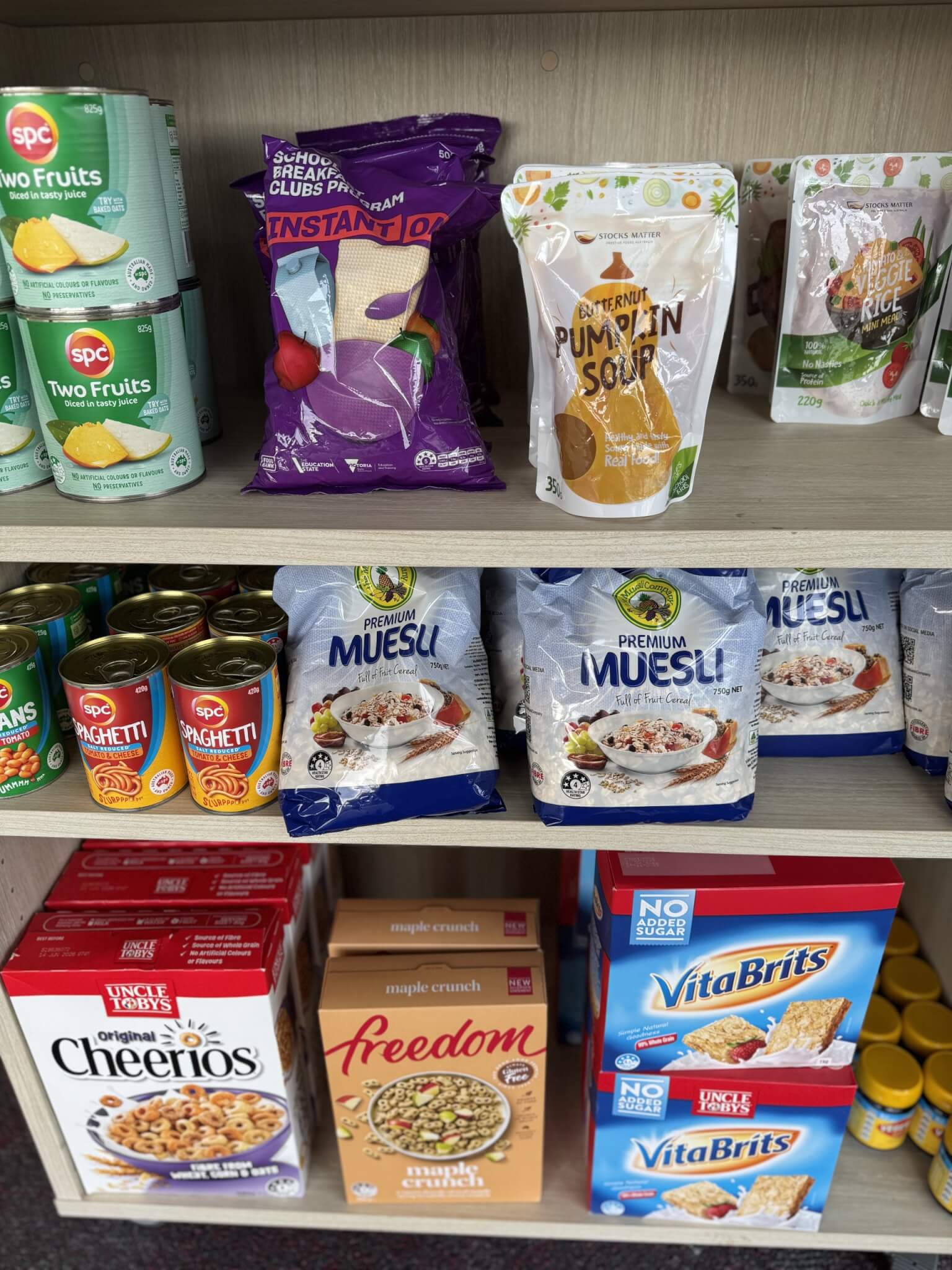
“We’ve got a lot more families in town coming in. They would’ve never come in before, out of pride. Now the stigma seems to have gone,” she explains. “People came for one thing – eye drops, first aid kits – and once they saw what was there, and what people were donating specifically for them, they were like ‘Oh, I might have spaghetti for tea’. And they’d walk out with their arms full, which is just amazing.”
 Log in